 EN
EN
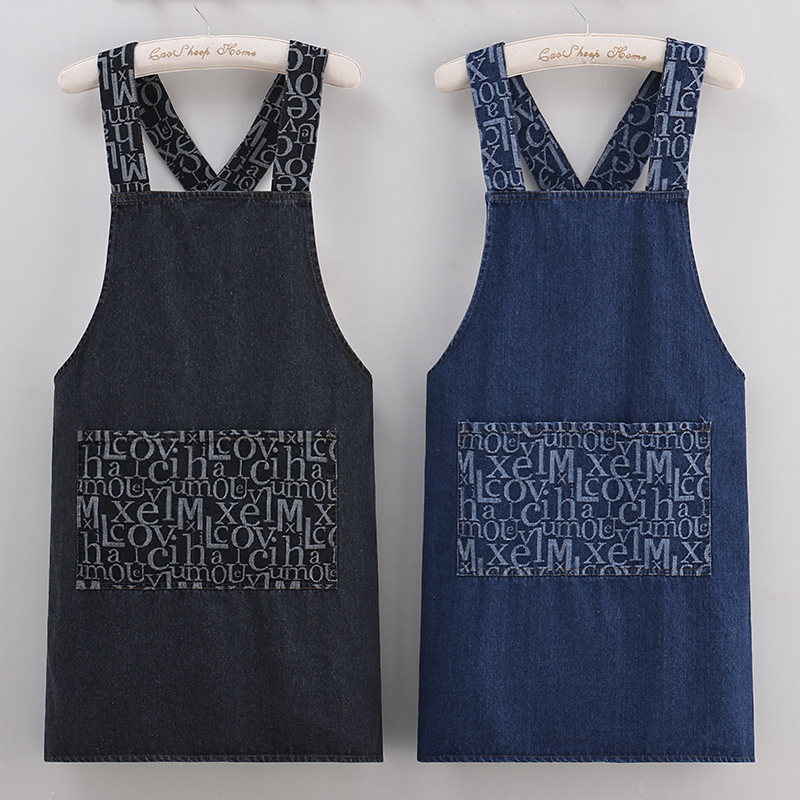
Deciding which aprons to choose depends on which jobs people do. When it comes to front-of-house roles, staff need to look clean and presentable. They need aprons that keep them clean and have straight, neat lines. Aprons that have big pockets are also ideal to store order pads, pens, contactless payment readers. These little details are what's needed to look the part while representing the restaurant brand in front of guests. Kitchen staff on the other hand, need the complete opposite. Their aprons need to be the opposite, and much more durable. Cook's aprons need to be resistant to heat as well as oil splatters, and need to withstand the constant wear and tear of the kitchen. They also need deep pockets to store cooking utensils, thermometers and other tools that they are required to have on them. Cook aprons also need to be tough enough to withstand the countless washes that they will have to go through in an industrial washing machine. While front of house positions count on looking the part, back of house aprons need to revolve around the complete opposite. That's why in every department in a restaurant, the apron styles and designs are completely different.
Designing for Movement: The Cross-Back and Adjustable Bib Restaurant Aprons.
In a service environment with a high degree of movement, the Cross Back design distributes the APS load on the shoulder and upper back, reducing shoulder and upper back fatigue due to repetitive tasks such as standing, setting, and clearing tables, and carrying heavy trays. Given the diverse range of body shapes and sizes, the adjustable bib design is a real fit savers. With stretchy neck adjusters and waist belt tie as as the adjustable bib design, coverage adjuster and fit is tailored to the individual. The ergonomics of the design fit the movement needs and help staff to complete their shift. The design features ergonomics that align with the NIOSH recommendations for the hospitality worker stress and strain.Safety & Hygiene Essentials: Fabrics that Resist Flames, Safe Closures, and Stain Resistance
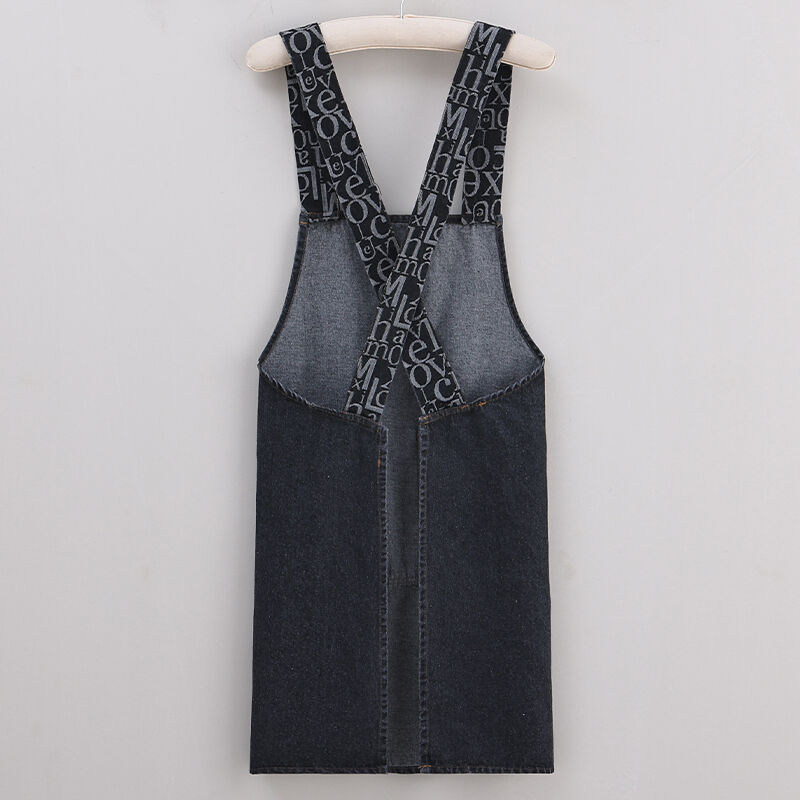
The compliance and safety journey starts with selecting the right materials. In kitchens with open flame cooking or deep fryers, the aprons must be made of fabrics that meet the flame resistance testing requirements of NFPA 2112. In the kitchen, where serious injuries may be caused by being caught in the machinery, industrial grade snaps and breakaway clips are crucial. In addition, some fabrics are treated with antimicrobial agents, and their special stain-repelling coatings ensure that the gear remains clean after dozens of washes in a commercial laundry. These features comply with the FDA Food Code requirements for clothing worn by food handlers.
Choose Fabrics For Restaurant Aprons That Are Durable, Comfortable and Safe.
Let's consider Cotton, Poly-Cotton, Denim, and Performance Blends: Durable, Breathable, and Different Wash Counts.
There is no single layer that works well for everyone, but the right combination can be effective. Cotton is ideal for front-of-house roles as it is highly breathable, but can deteriorate badly after a few industrial washes. Most people opt for poly cotton mixes, generally around 65% poly and 35% cotton, as these provide better stain resistance and last on average about 30% longer than cottons in a commercial wash, and remain soft enough for full shifts and almost sandpaper-like. For heavy kitchen workers who need to be mobile and risk spills, heavy-duty denim is unrivaled as other fabrics will tear badly, due to contact with moving parts. But it can be miserable wearing heavy denim in July. Recent innovations in fabrics combine recycled polyester with moisture-wicking and body temperature regulation.
What makes these blends special? They handle serious stress without breaking down, keep performing even after hundreds of wash cycles, and somehow manage to stay functional while remaining reasonably comfortable. Restaurants switching to these materials report needing fewer replacements over time, which saves money and keeps everyone from the hosts to the dishwashers feeling decent throughout their shifts.
Moisture-Wicking and Commercial Laundering Performance in High-Traffic Kitchens
Kitchen staff uniforms can be exposed to steam, sauces, sweat, and cleaning chemicals. During a busy shift, the temperature in a restaurant can easily exceed 90 degrees. Fabrics that absorb moisture can greatly improve comfort. High-temp, commercial laundering aprons can damage the fabric and finish. Commercial washing and drying are done using strong detergents, fabrics bleach, and fabrics can be subjected to hundreds of washing cycles. While synthetics remain resilient, cotton fabrics can be finished (i.e. treated) to promote soil release, stain resistance, and antistatic properties. Cationic polyester fabric can take around fifty washes before reaching 20% stain resistance. Antimicrobial treatments approved by the Environmental Protection Agency (EPA) are required to meet USDA and Food and Drug Administration (FDA) regulations for the reuse of textiles in food service.
Holistic Team Fit & Adjustability
Not Just One-Size: Modular Adjusting, & Gender Neutral Fit
The one-size-fits all approach to staff clothing misses far too many workers - especially in hospitality, where nearly 2/3 workers are women. Being truly inclusive requires thinking about how garments are designed to fit on people on the job. Real working examples include modular bib sizing from Small to 3XL, with adjustable waistbands, stretchable and slideable straps to be adjustable about 4 inches, and remove some of the straps if it’s a cross back. Most importantly, let’s lose the ‘feminine’ shape’ and make it a straight cut with ample shoulder drape and even a bit of ‘see-through’ fabric in the back. Research shows that within 6 months of implementing adjustable apron designs in kitchens more than 30% of staff reported a reduction in mobility related injuries. Designing gear that can fit all staff is fair, and it also improves safety and productivity.
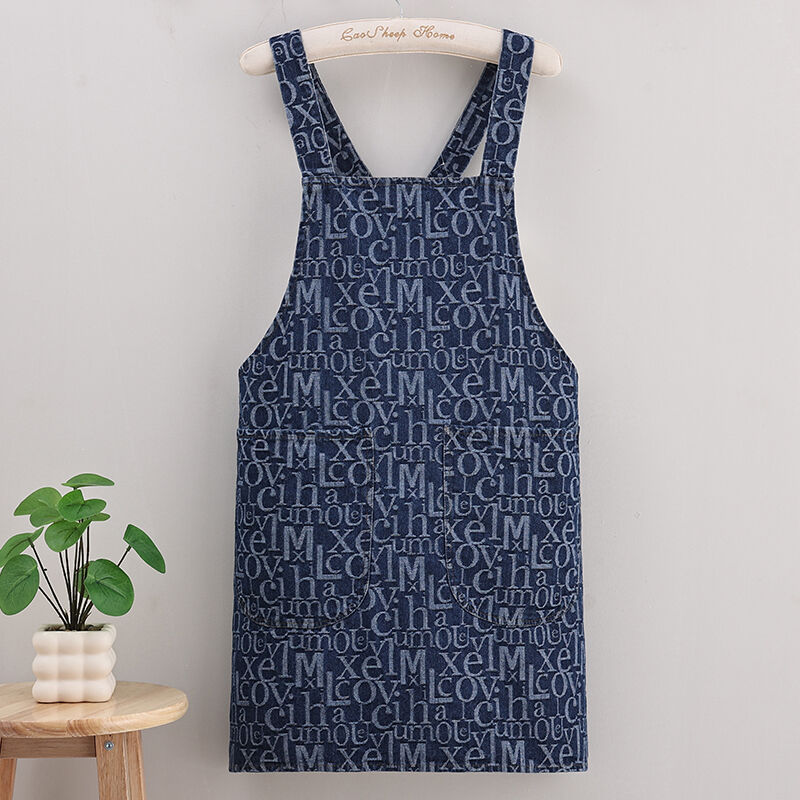
Strengthen your Brand Identity with Custom Restaurant Aprons
Logo Application Methods: Bulk Embroidery vs. Heat Transfer for Same Look Across Multiple Locations
When it comes to lasting and consistent branding, how a logo looks is just as important as how it lasts. Embroidery gives a crafted feel and soil release abilities. We have been able to document embroidered logos last over 200 professional washings. This is a big reason chain restaurants have been using this method for years. Heat transfers are also an option. This allows for full color prints to be done quickly and inexpensively. Great for limited time offers, or testing in new markets. On the other hand, the prints tend to crack and wash off after several cycles of hot washing. For restaurants looking to invest to save money, going with embroidery is definitely the way to go. Thread choice and garment fabric used to create the embroidered logos should be considered. Lastly, keep everything aligned to your brand.
When done right, uniforms become more than work clothing, they let customers know who is running the kitchen door daily.
FAQs
What should you think about when selecting restaurant staff aprons?
Think about the employee's position, whether it's kitchen or front of house, to design movement, to incorporate safety and hygiene, use durable fabric, include adjustable fits, and consider flexible branding.
What are the benefits of restaurant staff ergonomic designs?
With restaurant staff using cross-back aprons and adjustable bibs, they experience less fatigue and better load distribution. It is a more ergonomic design, improving movement and comfort during long shifts.
Why is the choice of fabric important concerning restaurant aprons?
Comfort, breathability, and durability are critical factors when choosing apron fabrics. Cotton, denim, and poly-cotton blends have a variety of ranges intended for the use of different staff.
How can a restaurant's apron design achieve consistent branding?
For branding to be consistent and for authority to be projected across multiple locations, the restaurant needs to use the same logo application method. Bulk embroidery can be used for permanent logos, while heat transfer offers a lower cost and quicker option.