 EN
EN
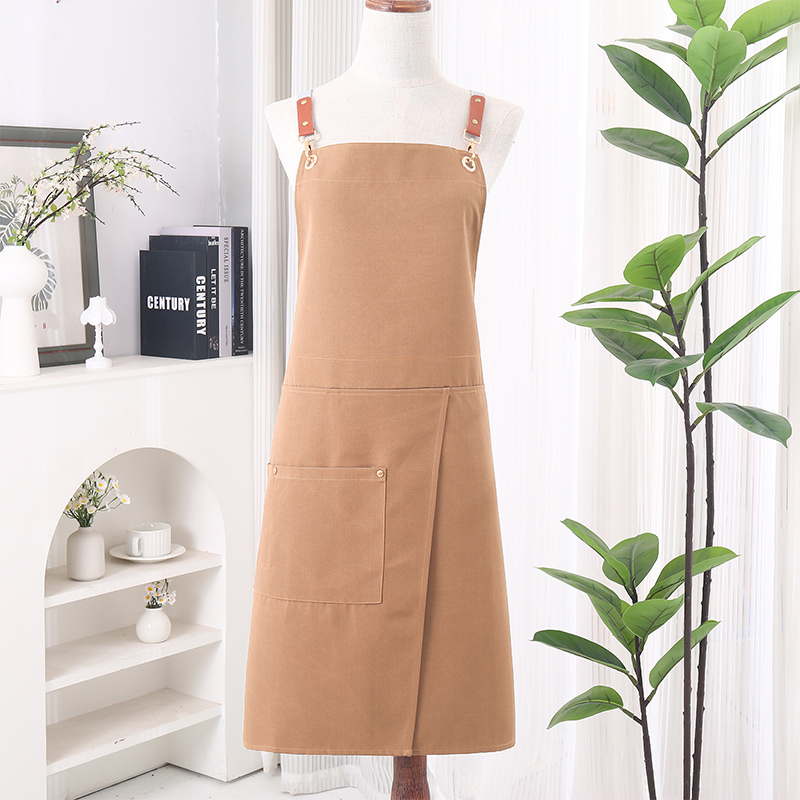
Having a natural softness and comfort, a weight of 12 to 16 ounces per square yard of cotton drill canvas is ideal for tough environments like busy factory floors and restaurant kitchens. With an evenly distributed and high-density weave, the canvas has excellent tear resistance and laboratory tests show approximately 40% better abrasion resistance than lighter 8 oz versions. What is more, despite the high density of the canvas, it is very breathable. The weave is not completely closed, and it allows for the escape of sweat and body heat, facilitating the comfort of the worker on the floor. Heavy duty cotton drill canvas holds up excellently to commercial wash and wear, maintenance, and launderers can expect the canvas to go through more than 200 commercial laundry cycles, without the canvas shrinking, stiffening, or roughening. In the long run, synthetic materials don’t last the same as the heavy duty cotton drill canvas.'
Effect of fabric weight on tear resistance and heat tolerance
The performance of fabric in real world situations is heavily affected by fabric weight. The weight of fabric influences tear resistance, and in a 2023 study, textile engineers determined that each additional ounce per square yard increases tear resistance by 15%. The 14 to 16 ounce cotton drill canvas withstands flying sparks and even molten metal that is up to 400 degrees Fahrenheit. This durability is what welders and workers in a foundry need. In contrast, 10 ounce fabrics fail at 250 degrees. The performance of the fabric influences the heat resistance of other fabrics. The weight of the fabric influences the distance that weaves that are more liquid resistant. Workers that deal with sudden splashes or chemical spills get precious seconds to react, and the greater the fabric weight, the slower the absorption rate.
Fabric Weight (oz/sq yd) Melt point (°F) Melting point (°F) Absorbs liquids
10 oz Moderate 250° < 2 seconds
12–14 oz High 350° 4–5 seconds
16 oz Extreme 400°F 6+ seconds
Maximizing the Features of an Industrial Grade Canvas Apron
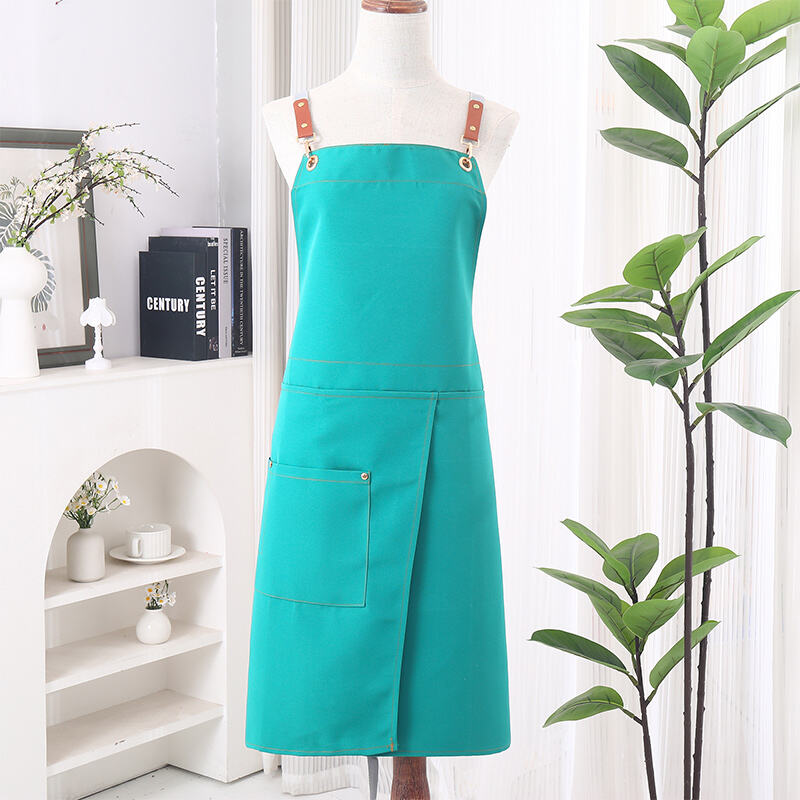
Reinforced seams, bar tacked stress points, double layer bibs
When it comes to construction of any industrial apron, the thickness of the fabric is not the only thing that matters; the real strength of the apron stems from the use of heavy bonded nylon threads that are used to reinforce the seams in every apron, including the pockets, the attachment points for the straps, etc. Reinforcement ensures that even the most used parts of the apron hold up. To achieve even more durability, a technique called bar tacking is used. This technique distributes the stress of a stitch across multiple layers to create a stitch. This is an effective way to create a seam that will not fail compared to the use of a single needle tacking technique. Because of the nature of the work being done, many bibs have double layers which act as an insulator for heat so they are very protective against the hazards of workplace heat, liquid, and fly spatter while still being flexible enough to allow workers to carry out their tasks.
Ergonomic Strap Systems: Cross-Back versus Waist-Tie for All Day Use
The design of the straps affects how comfortable users will be wearing the product for extended periods of time. Cross-back designs are beneficial because the weight of the bag is distributed evenly over the shoulders and upper back, reducing the pressure on the shoulders and keeping the spine in a healthy posture even while walking around. It is true, however, that waist tie bags do support the hips which helps alleviate pressure on the back while the user is seated. The wide, padded straps that are typically 2-2.5 inches are designed to reduce soreness on the shoulders due to extended use of the bags. The straps also typically have emergency release buckles which allow for the user to quickly release the strap in case of an emergency and a breathable mesh is usually located on the underside of the strap to reduce the buildup of perspiration while wearing the bag. Ultimately the choice of the ergonomic design that one selects comes down to the type of work that the user performs.
Cross back styles are perfect for jobs with lots of movement like working as a butcher or on an assembly line. Waist ties are better suited for precise jobs like plate laying or detailed work at a bench.
Choosing the Best Canvas Apron Style for Your Workflow Needs
Bib Aprons for Complete Front Coverage in Food Prep and Fabrication
Bib aprons are ideal for environments with lots of splattering and flying sparks because the majority of the bib covers the torso. The long front panel and strong waist ties help mitigate the mess from food spill and chemical drips or bits of work from grinding. The 12 to 16 ounce cotton canvas material forming the main body of the apron will help to circulate air and keep workers cool when standing at their station for 10-hour shifts in the kitchen. Metal workers appreciate this canvas material because of its spark resistance and durability while grinding and welding. The bib section is double layered and the tool pockets are reinforced to add to the functional utility of the apron. A 2023 safety report showed that workers dealing with high hazards materials experienced 40% fewer injuries to the chest and abdomen when wearing full coverage aprons compared those who wore standard protective gear.
Cross Back Aprons and Why They Are More Comfortable
Cross Back Aprons have a very specific use case - comfort and ease of movement. The X straps do not place any strain on the neck; it displaces pressure evenly among the back and shoulders. For a long shift, this is highly beneficial for employees who have to do a lot of up and down, lifting, and reaches. It has been shown in various workplace ergonomics studies that people who need to stand and work for long periods of time, upwards of 8 hours, do better in fewer or no shifts at all with these. This is especially true for bartenders, who have instant relief in their upper body after switching to these and ditching the old style of neck-loop aprons. The flexibility that these designs afford is unlike many of the stiffer, more formal designs that don't allow for as much freedom at the bar, in the warehouse, or wherever you're grabbing tools.
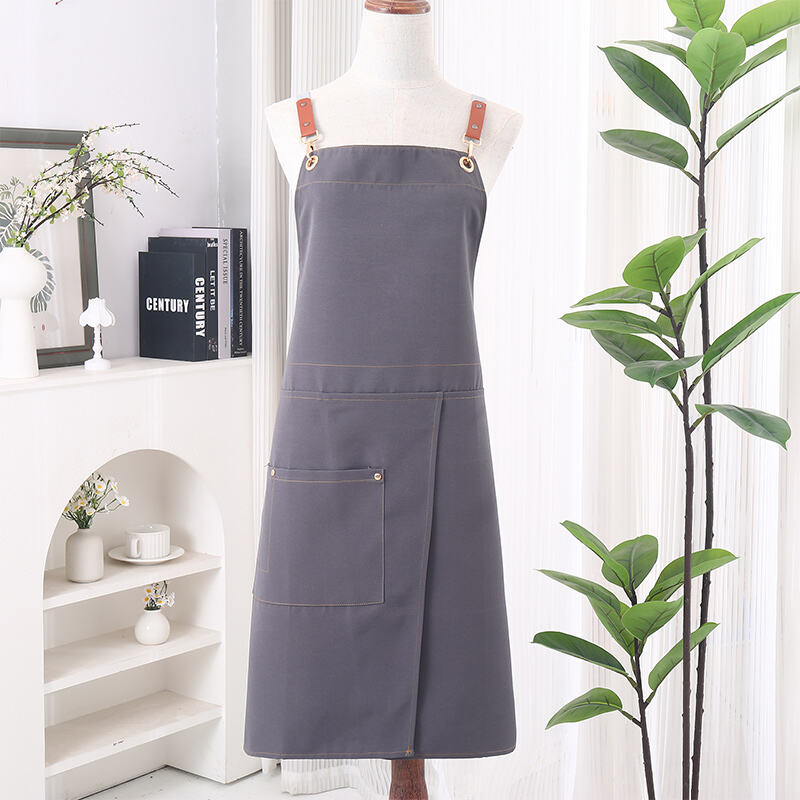
Withstanding the Elements: Why Cotton Drill Canvas Excels Over Alternatives
When considering the types of fabric used in the construction of workwear, the thin-layered, rip-stop, 12-16 ounce cotton drill canvas is perhaps the most ideal for the greatest number of workwear applications at the greatest number of environments. This is not to say it is without fault, but there is no other fabric that contains a wider range of performance. For example, when considering polyester-blend fabrics, while they are able to block moisture, they are also prone to trapping odor, and retain excessive heat. Also, while the straight nylon rip-stop is a very strong fabric, when it is used as an outer barrier, it breaks down under UV exposure, and feels very bad against the skin. Leather may provide some decent level of spark protection, but it is very significantly heavier than cotton, is a problem for movement, and requires more maintenance. In addition to the consideration of safety in terms of not melting under conditions of 480 degrees Fahrenheit and carrying the weight of cotton, the consideration of synthetic hybrid fabrics is not ideal. In contrast, cotton is able to withstand significantly higher temperatures without melting. And for 99% of work applications that involve moisture absorbance, chemical exposure, and repeated washing at high temperatures, the most effective fabric is 12-16 ounce cotton drill canvas.
FAQ
What makes heavyweight cotton canvas good for dual environment aprons?
Because of the blend of durability and comfort, the heavyweight cotton canvas is tough enough to combat tearing and abrasion, yet still allows breathability, making it better for dual environment aprons because of the heat in restaurant kitchens and the harsh conditions found in factories.
What role does fabric weight play in the functionality of a canvas apron?
The weight of the fabric is a significant factor in the degree of heat tolerance and resistance to tearing. Heavy fabrics slower liquid absorption rates, and therefore provide greater durability and heat resistance, and ultimately better protection in industrial settings because of the high demands and heat.
What is the difference in advantage of cross-back aprons compared to those that have waist-ties?
Because cross-back aprons have the straps across the back, they are able to redistribute weight and therefore will cause less strain and fewer pressure points to be formed on the shoulder. This is an advantage for jobs that are more physically demanding and involve frequent movement.
Why is cotton drill canvas better than other materials for making aprons?
Compared to materials such as leather, nylon, and polyester blends, cotton drill canvas is better because it breathes, is more flexible, and more durable. These factors make it better in almost all work environments.