
 EN
EN
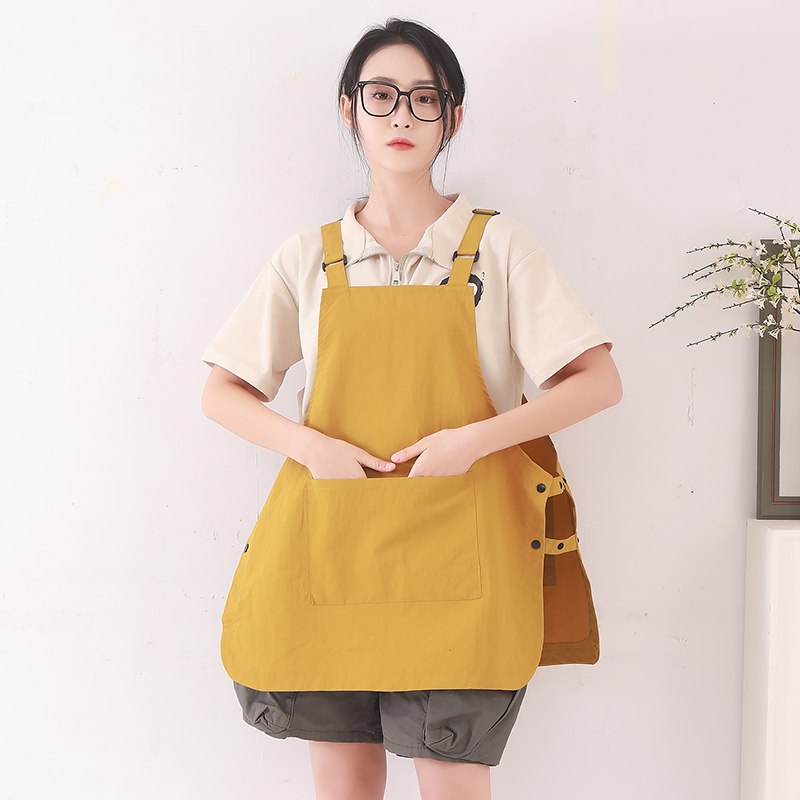
Excellent Coverage Against Typical Kitchen Risks
An Example of Advanced Technology - Barriers That Do Not Absorb
When cooking, an apron designed to keep water out acts in the greatest protection against the many kitchen messes we encounter in the kitchen. Not the old cotton anoraks, which we know will absorb messes, but ones with inner linings of special fabrics such as PVC polyester, or food-grade silicone which actually repels hot oil, tomato sauce, or boiling water from getting on you. The non-absorbent surface of the apron also makes contact with the heat from boiling water less, providing protection from burns. Third party burn tests prove unsurprisingly that TPU and similar fabrics withstand extreme temperatures (up to 300F) with little to no breakdown to the fabric; stain resistance is also a major bonus. An oil stained apron that can be cleaned with a simple wipe is a huge advantage to an apron that can only be cleaned with shameful and hot (biological) laundry.
Why Traditional Cotton Kitchen Aprons Offer Little Protection Against Grease and Acids
One of cotton’s greatest traits, and ultimately one of its greatest shortcomings, is its ability to absorb moisture. Kitchen accidents happen and grease spots on cotton become virtually permanent. Spices like turmeric or saffron will become embedded as well. Cotton’s structure holds on to liquid causing vinegar to bond with the fabric and slowly degrade the fibers while cotton’s structure holds onto blood and other liquids causing unsightly micro fibers to build up. Users do not like the dampness created as the cotton holds the moisture creating the perfect environment for bacteria to flourish. Studies have shown that moisture repelling materials do an excellent job of reducing the bacteria issue. Interestingly, when compared to the advanced moisture wicking materials the issue of cotton being too hot and burning people is increased because of the insulation effect and increased moisture retention of cotton. Due to cotton's high moisture retention the fabric requires washing far more often. Around 30 to 50 washes the fabric will commence to the usual cycles of reduced untimely and uneven shrinkage, loss of color, brittleness, and reduced cohesiveness.
Hygiene and Prevention of Cross Contamination
How Waterproof Kitchen Aprons Can Reduce Bacterial Adhesion by Up to 73%
Water-repellent kitchen aprons can prevent the further spread of kitchen germs. Aprons made out of either plastic, specially coated fabrics, or food-grade silicone don't cause contamination because the prep surfaces are not absorbent. Liquids from raw meats, dairy products, or tangy dressings won't seep through the apron. Bacteria adhesion to the surface of the apron is about 73% less than unprotected cotton aprons, as reported in the latest NSF International and Journal of Applied Microbiology studies. Cleaning is also much simpler because the pullers don't get trapped in material. The bottom line is, along with common food safety practices, the aprons are designed to minimize the spread and cross-contamination of germs as you prepare and serve food.

Saving time on cleaning up after an event, and easy cleaning in the future
A cleaning service that can be paid with each use, versus the cleaning and maintenance of the absorbent aprons
Kitchen aprons that are designed to not absorb liquids and solids make cleanup after cooking so easy it's almost ridiculous. All that needs to be done to make the apron clean is to grab a cloth and wipe up a few oil stains or splatters, throw up some vinegar, a little dust from the flour, or vinegar stains. No need to soak the cloth. No scrubbing is required. And no soap is necessary. Those who upgrade to this type of apron say they save about 50 hours every year from not having to wash their clothes. They use about 80% less water and detergent on these aprons than they do on standard cotton aprons. It is easy to think about the money being saved on water and detergent.
When things last longer, it helps everyone. There are some big differences with some of the materials used in the market. Some high end materials are able to last 500 washes/wearings before any wear shows. Regular cotton based items last 30-50 washes then begin to break down. Only one of these items needs to be replaced in the time it takes to replace many cotton based items. This is a big cost saving, but for many people there are other concerns that are just as important. The time spent in the kitchen having to replace items, the items that end up in the landfill, the need for proper protection, and the concern that the gear is no longer working, are all reasons to invest in high end items. Along with the financial savings.
Choosing the right smart material and design options for cooking
Food-safe silicone and laminated polyester are some of the materials that work best to stop cooking and splash related chaos from soaking the apron and ruining it, and from damage by splatter from cooking oil, acidic foods, sunlight and scrubbing after dinner parties. Distribution of weight is also important for ergonomics. With adjustable back straps, and angled pockets that allow you to grab tools at your disposal, they also protect you from flying saucy broth or broths as you stand over hot stoves. Seamless aprons collect less dirt in folds, and make cleaning quick instead of a dirty task. Some added coatings even make it bacteria resistant. When smart materials and design colaborate, a simple cooking apron becomes a great and enduring product that will help you keep the kitchen a clean and safe work environment.

FAQ
Why choose waterproof kitchen aprons?
Waterproof aprons are easy to clean and are more durable than your typical cotton apron. They protect your body from splashes and spills while reducing the risk of burn injuries and bacterial adhesion. With waterproof aprons, you save time and money.
How do waterproof aprons reduce cross-contamination?
The materials used to make waterproof aprons do not absorb any liquids. This means that any sauce and raw meat juices that are on your apron will not soak through to your skin. You simply disinfect any contaminated area of your apron, and your skin is germ-free.
Why do traditional cotton aprons fail in the kitchen?
They absorb heat, liquids and germs which means more burns, stains and bacterial growth. This means they won’t last long in the kitchen. They are not convenient as you will need to wash them often.