
 EN
EN
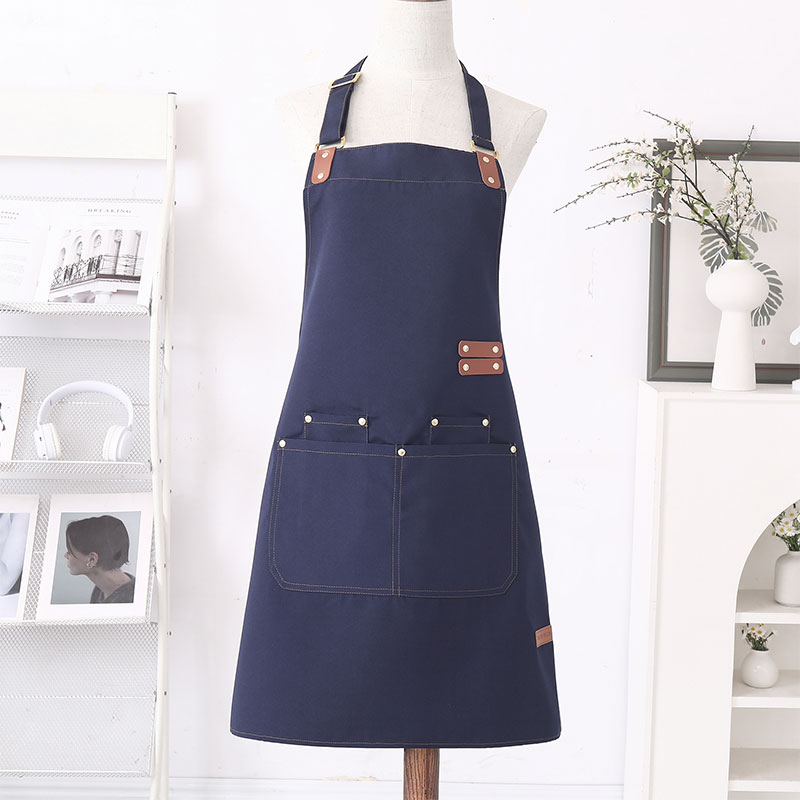
A Station Chef's Six-Month Shift Log
Three chef aprons tested across dinner service
A line cook in Chicago logged 180 dinner services rotating three chef aprons to settle a purchasing debate at a newly opened restaurant. The first was a lightweight promo chef apron from a vendor, given out at a trade show and worn only until it failed. The second used 10-ounce cotton with a simple neck strap. The third was a waxed-canvas chef apron with leather straps and riveted stress points. Each chef apron was weighed and inspected weekly for tears, stains, and loose stitching. The waxed-canvas chef apron showed almost no wear after six months, while the promo chef apron tore at the neck loop in week four and the 10-ounce cotton chef apron faded but held shape through every shift on the busy line.
The sauce spill that burned through a cheap apron
During a Saturday rush, red wine reduction splashed the promo chef apron as a pan was carried past the pass. Thin fabric let heat reach the cook's thigh in seconds, causing a minor burn that needed a cold compress. That incident proved why a real chef apron needs weight and a tight weave rather than a logo. The waxed-canvas chef apron took the same splash and kept heat off the skin entirely. A professional chef apron is protective gear, not a banner, and the kitchen switched to heavy cotton for all new hires after the report reached the chef's desk and the insurer asked questions about the near miss.
Failure Points in a Busy Professional Kitchen
Heat exposure and strap fatigue
A chef apron fails near flames when straps are synthetic and loosely stitched, the usual profile of free promotional gear. Heat fatigues thin neck loops until they snap mid-service, dropping the apron into a saute pan. A proper chef apron uses cotton or leather straps that resist melting and hold under load. Cross-back harnesses remove neck load so the chef apron stays put during twelve-hour shifts without constant tugging. Loose ties also catch oven handles, a hazard worth designing out with shorter, anchored waist connections on every station apron during a busy cover where space is tight.
Cross-contamination from unwashed fabric
Fabric not washed between shifts carries bacteria from raw protein to plated food, the core risk in any busy kitchen. A chef apron worn through prep and service without laundering breaks basic hygiene and invites cross-contamination citations. OSHA 1910.132 frames PPE as something maintained for its job, and a soiled chef apron no longer protects the cook or the guest. High-end kitchens rotate two chef aprons per cook so one is always clean, which also keeps the station inspection-ready at any hour of a long night and spares the laundry scramble before a big event.
Material and Construction That Survive Service
Heavy cotton versus waxed canvas
Heavy cotton gives a chef apron breathability and easy washing but stains from oil that needs degreaser. Waxed canvas sheds liquid and survives abuse yet needs rewaxing once or twice a year to keep its finish. A 12 to 16 ounce cotton chef apron fits daily use and launders without special care. The weave must be tight so a chef apron blocks splatter instead of wicking it to the shirt underneath. Pastry stations can use lighter cotton, while the hot line benefits from the heavier end of the weight range for clear safety near open flames and flambe work.
Stitch density and reinforced stress points
Seam strength decides lifespan more than the front print does. A chef apron with double-stitched stress points at the neck and pockets outlasts single-stitch imports that look identical on the rack. ISO 13688 sets general seam expectations for protective clothing, a fair benchmark for any chef apron asked to survive nightly abuse. Bartacked pocket corners stop tearing when a cook loads a thermometer and tongs, then yanks them free. Without reinforcement, even expensive fabric fails early, and replacement cost exceeds the savings from buying cheap the first time around on a tight opening budget.
Standards and Care for a Reliable Chef Apron
What NSF, OSHA, and ANSI/ISEA require
NSF/ANSI 2 covers food-equipment materials that contact prep areas, relevant when a chef apron wipes a station or rests against a cutting board. ANSI/ISEA 101-2010 gives sizing guidance for torso protection aprons and helps spec a consistent fit across a team. OSHA 1910.132 requires PPE to be maintained for its function, which includes laundering and retirement. A chef apron built to these references resists heat, washes safely, and signals a kitchen that takes standards seriously to inspectors and the guests who notice clean uniforms on the line during a calm, confident service.
Sanitation, rotation, and a buying checklist
Wash a chef apron after every shift at 60°C with food-safe detergent, then hang dry so straps keep their shape. Rotate two per station so laundry never forces a worn chef apron back early onto a cook mid-week. Before buying, check weight (12 plus oz), double stitching, and a cross-back or leather strap that matches the station's heat. Suppliers such as ApronCustomCJ publish weight and certification details that help kitchens spec correctly and defend purchases to ownership. A chef apron meeting these points supports safe service through peak covers without constant replacement or mid-service wardrobe failures. The same short checklist works for a small cafe as well as a large hotel kitchen with equal effect on the bottom line.
Frequently Asked Questions
Question: What weight of chef apron suits a restaurant kitchen?
Answer: A 12 to 16 ounce cotton or waxed-canvas chef apron suits most restaurant kitchens. Lighter fabric burns through from splatter and tears at straps. Heavier canvas lasts longer but needs rewaxing. Choose weight by shift length and heat exposure; a busy line cook benefits from the upper end, while a pastry station can use lighter cotton that washes easily and stays comfortable through cooler prep work.
Question: Should a chef apron be wiped or laundered?
Answer: A chef apron must be laundered after every shift, not just wiped. Wiping moves bacteria around and hides stains that breed pathogens. Wash at 60°C with food-safe detergent, then hang dry. Rotation of two aprons per cook keeps one clean during service. Treat the chef apron as PPE under OSHA 1910.132 and replace it when fabric thins or straps lose their grip on the neck loop during a busy service.
Question: Are leather-strap chef aprons worth the cost?
Answer: Leather straps on a chef apron resist heat and outlast webbing, making them worth it in high-heat stations. They spread weight through a cross-back harness, reducing neck fatigue on long shifts. Care means wiping and conditioning, not machine washing. For cooler prep roles, cotton straps cost less and wash easier, so match the strap material to the specific heat and duration of each kitchen station during a shift.
Question: How does a chef apron help pass health inspection?
Answer: A clean, intact chef apron shows inspectors the kitchen controls cross-contamination. NSF/ANSI 2 aligns materials with food safety, and laundered fabric meets hygiene expectations. A frayed or stained chef apron signals poor PPE upkeep under OSHA 1910.132. Keep spare clean aprons on hand so every cook presents a sanitary station during unannounced visits from the local health department on a busy night.
Question: What features reduce neck pain from a chef apron?
Answer: Cross-back harnesses remove pressure from the neck by routing straps over the shoulders, the best fix for a heavy chef apron. Wide padded straps help too. Adjust the length so the hem sits above the knee and clear of oven doors. A balanced chef apron stays comfortable through a twelve-hour service and prevents the chafing that pushes cooks to skip wearing one during a long, hot dinner rush on the line.
Question: How many chef aprons should a kitchen own per cook?
Answer: A high-end kitchen should own at least two chef aprons per cook, plus spares for guests and temps. Rotation lets one launder while the other serves, meeting hygiene without downtime. Multiply by station count and add twenty percent for loss and wear. A chef apron budget this size keeps service presentable and inspection-ready every week without emergency reorders during peak season.