
 EN
EN
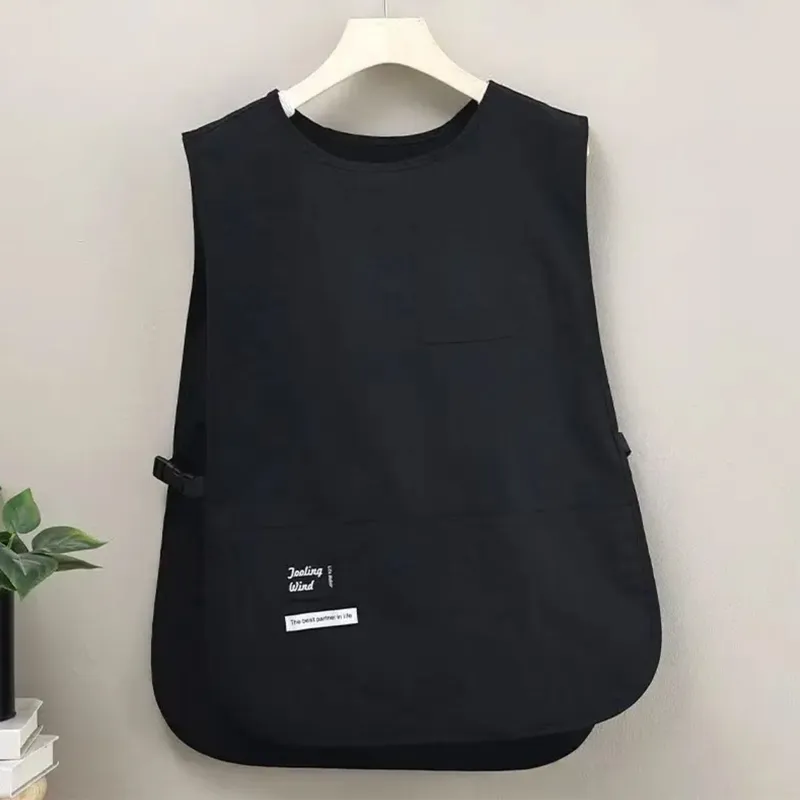
A Home Baker's Year Behind the Mixing Bowl
Four baking aprons put through real weekends
A home baker in Portland logged twelve weekends of bread, cookies, and cakes using four different aprons to settle a long debate about what actually protects clothes. The first was a thin promo baking apron from a food expo, weighing barely 120 gsm. The second used a heavy cotton baking apron from a craft market at roughly 280 gsm. The third came from a restaurant supply catalog in a mid-weight blend. The fourth was a poly-cotton baking apron bought online. Each baking apron was worn for the same three-hour session, then weighed and inspected for stains under the same kitchen light. The heavy cotton baking apron kept the shirt underneath dry, while the thin promo baking apron let butter seep through within minutes and was swapped out by week three of the test.
The cupcake incident that exposed thin fabric
During week six a cupcake tray tipped while cooling on the counter. A cheap baking apron caught the drip, and warm frosting reached the wearer's jeans in seconds before it could be blotted. That moment proved fabric weight matters more than print color or brand name. A proper baking apron should block liquid long enough to wipe it away with a towel. The Portland baker noted the restaurant-supply baking apron survived every weekend with only faint staining, while the promo baking apron looked worn after three uses and started to pill under the neck loop where stress concentrates most during a long mixing session.
Where a Weak Baking Apron Actually Fails
Batter soak-through and grease wicking
A weak baking apron fails first at the seams, long before the printed front looks tired. Thin bonded edges let pancake batter wick sideways onto clothes the apron was meant to protect. Grease from shortbread climbs loose cotton fibers and spreads toward the waistband. A baking apron with a tight twill weave slows that climb and gives time to dab the spot before it sets into the fabric. Home bakers who skip this detail end up washing aprons daily, which fades prints and thins the material faster than the mess itself during a normal weekend of family baking together around the island.
Loose straps and a near miss by the oven
Strap failure is the second common fault and the more dangerous one. A baking apron with sliding neck loops can droop toward a hot oven rack while the wearer reaches for a tray. One documented case involved a dangling tie catching a burner flame and singing the corner before the wearer noticed the smell. Secure, adjustable straps keep a baking apron clear of heat and let the wearer focus on the recipe. Cross-back cuts spread weight so the neck never chafes, and a snug fit stops the hem from swinging into a mixing bowl during an enthusiastic session with children helping to stir.
Fabric and Fit Details That Define a Good Baking Apron
Cotton twill versus poly-cotton blends
Cotton twill gives a baking apron breathability and a soft hand that improves with every wash, but it holds stains more than blends do. Poly-cotton blends dry faster and resist wrinkles, yet they can feel warm under kitchen lights during summer baking. A 60/40 cotton-poly baking apron often balances both needs for a home kitchen. Weave count decides stain release: a dense baking apron sheds flour when shaken, while a loose one traps it and needs scrubbing after every batch of cookies or crust before the weekend is done and the apron is hung up.
Weave density, pockets, and neck comfort
Pocket placement turns a baking apron from a decorative souvenir into a real tool that earns its keep. A chest pocket holds a timer; a waist pocket keeps a bench scraper or a small offset spatula within reach. A good baking apron sets pockets clear of the oven door path so they never brush a hot surface. Neck comfort comes from wide padded straps or a cross-back cut that distributes the load. Without it, a heavy baking apron pulls after an hour, and many home bakers abandon a pretty but painful apron within a single month of regular weekend use and revert to old shirts instead.
Standards and Care That Keep a Baking Apron Working
What ANSI/ISEA 101 and OEKO-TEX confirm
ANSI/ISEA 101-2010 sets sizing and performance criteria for torso protection aprons, a fair reference when judging a baking apron built for repeated weekly wear rather than a one-time event. OEKO-TEX Standard 100 confirms textiles are tested for harmful substances, which reassures near food prep where flour and hands meet the fabric constantly. ISO 13688 outlines general seam-strength expectations for protective clothing of this type. A baking apron carrying these signals usually outlasts unmarked imports and stays safer through years of weekend baking with family, friends, and the occasional messy birthday cake that tests every seam.
Washing, storage, and a buying checklist
Wash a baking apron at 40°C with mild detergent, close the straps, and hang to dry; high heat shrinks cotton and cracks prints that took effort to choose. Store it on a wide wooden hook away from steam so the fabric keeps its shape between bakes. Before buying, check fabric weight (180 to 300 gsm), reinforced stitching at stress points, and a strap system that fits the wearer's height and build. Brands focused on kitchen workwear, including ApronCustomCJ, list gsm and strap type so buyers can compare. A baking apron meeting these points earns its place in a busy home kitchen and keeps clothes clean through every recipe tried on a weekend.
Frequently Asked Questions
Question: What fabric works best for a home baking apron?
Answer: Cotton twill suits most home bakers because it breathes and softens with washing. A 60/40 poly-cotton baking apron resists wrinkles and dries faster. Avoid thin promo fabric under 180 gsm; it soaks through in minutes. Pick a dense weave that sheds flour when shaken, and confirm OEKO-TEX or a similar textile safety mark before purchase for peace of mind during every baking weekend with family and friends at home.
Question: How should a baking apron fit to stay comfortable?
Answer: A baking apron should cover chest to knee without dragging. Cross-back straps spread weight and prevent neck chafe during long sessions. Adjustable neck loops keep the hem clear of oven racks. Waist ties need to secure firmly without slipping. Try the apron on over normal clothes; if straps dig in after ten minutes, choose a padded or cross-back model instead for pain-free baking through a busy weekend of mixing and decorating.
Question: Can a baking apron go in the washing machine?
Answer: Yes, most cotton and poly-cotton baking aprons handle machine washing at 40°C. Close straps first to avoid tangling, use mild detergent, and skip bleach that fades prints. Hang to dry rather than tumble on high heat, which shrinks cotton. Wash after each greasy session so stains do not set, and the baking apron stays presentable for months of regular home kitchen use and weekly baking without looking tired.
Question: Are pockets on a baking apron useful or risky?
Answer: Pockets make a baking apron practical by holding timers, scrapers, and recipe cards. Keep them away from the oven door path so nothing melts. Avoid bulky waist pockets that swing into mixing bowls. A chest plus waist layout works best. Empty pockets before washing so crumbs do not grind into the fabric during the cycle and shorten the apron's working life noticeably over a year of steady home baking.
Question: What safety checks matter for a kids' baking apron?
Answer: For a child's version of a baking apron, check tight-weave fabric, secure adjustable straps, and no small detachable parts under 16 CFR rules. CPSIA compliance and ASTM F963 testing signal safer trim. Keep cords short to avoid snagging. Supervise near heat, and choose a size that covers the torso without tripping the child while moving around a busy, messy baking space with friends and siblings.
Question: How long should a quality baking apron last?
Answer: A well-made baking apron in 200 to 300 gsm cotton or poly-cotton lasts one to three years with weekly use and proper washing. Seams at the neck and pockets wear first, so reinforced stitching extends life. Rotate two aprons to spread wear. Replace the baking apron when straps fray, coating cracks, or fabric thins enough to soak through during normal prep on a typical weekend of home baking.