 EN
EN
Core Fabric Attributes That Determine Durability of Server Aprons
Tensile Strength, Abrasion Resistance, and Restaurant High Traffic Areas
Server's aprons experience extreme and constant daily abuse and therefore require extreme and protective measures. For example, customer tables, chairs, counters, and food trays are constantly working a type of rubbing friction on the apron fabric. Kitchen equipment can snag, tear and rip the apron fabric, while food and debris can also pull the apron fabric. Finally, the constant mobility of the server can damage the apron fabric by wearing it down against the tray, counter, or apron. Fabric wear studies suggest that lighter 9 ounce fabrics will wear down 40% quicker. For this reason, most professionals suggest a minimum of 8.5 ounce fabric with reinforced stitching at the highest stress and load areas, eg, the pockets and straps. This construction can withstand 500 abrasion contacts, which is representative of the number of contacts a server will experience in 6 months of work.
Twill, Denim, Canvas and Real World Data for Server Aprons
Different types of fabric can be woven together to create different variations of durability that are traded off for the purposes of optimizing the lifespan of the server aprons.
Material span style = 'color:red;'>Tensile Strength span style = 'color:red;'>Abrasion Resistance span style = 'color:red;'>Maintenance Burden span style = 'color:red;'>Best-Suited Environment
Canvas High Excellent Moderate Kitchens, high-spill stations
Twill Medium-High Good Low Front-of-house service
Denim High Very Good High Casual/Rustic venues
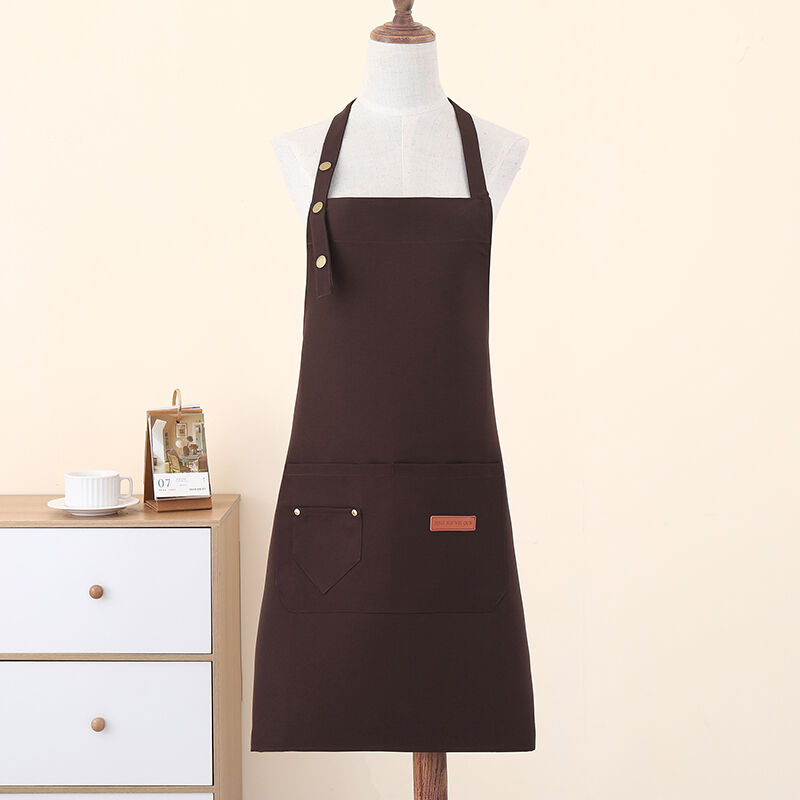
Heavy-duty cotton canvas, weighing approximately 9-10 oz, does wonders for difficult kitchen conditions, though stains must be removed immediately, otherwise they will become permanent. Poly-count twill blends (7-8 oz), especially 65/35 cotton polyester blends, have a good combination of flexibility and recovery after they are stretched. Poly blends th Lin jeans have shown to withstand 50 wash cycles and not lose their shape. Denim noticeably holds together the best under stress, but it has the one downside of fading faster. Based off of our observations, the blue fabric tends to fade quicker than regular cotton options in the sun (around 15% faster). Practical considerations are the most important when it comes to choices of materials for different roles in the kitchen.
While bartenders find twill to be better since it’s easier to be more mobile during busy shifts, dishwashers may find canvas more appealing as it offers better protection from spills and splashes during their shift.
Launderability Testing of Common Server Apron Materials
Stain Release and Colorfastness Testing: Cotton, Polyester, and Blends with Coffee, Wine, and Grease
How well an apron fights and prevents stains, determines the usefulness of the apron in a restaurant. Cotton aprons get coffee and wine stains almost immediately. That means staff have to use bleach to get rid of stains. Bleach helps, but it shortens the life of the apron. Polyester aprons have water resistant fibers, but they do not perform better than any other type of apron. Greasy stains still require cleaning with an enzymatic cleaner. Nowadays many chefs prefer blended materials that typically have 65% cotton and 35% polyester. With this composition, the apron will perform better and deal with grease stains. If there is a lot of grease, an apron made of 65% polyester 35% cotton will have better durability, but workers will require detergent.
Shrinkage, Wrinkling, and Recovery: Cold Wash Analysis of 65/35 and 50/50 Cotton-Polyester Server Aprons.
To maintain a consistent fit and professional look, fabrics need to recover from washing. Cold washing is the best way to reduce shrinkage on any of the blends, but the differences in composition are still very important.
| Property | 65/35 Polyester Cotton | 50/50 Polyester Cotton |
|--------------------------------|------------------------|------------------------|
| Shrinkage | Moderate 3-5% | Minimal <2% |
| Wrinkle Formation | Noticeable | Slight |
| Shape Recovery | Requires ironing | Air dry ready |
When tested under standard washing conditions, mixing cotton and synthetic fibers in a 50/50 ratio diminishes the natural shrinkage problem by about 40%. These fabrics also recover from compressional wrinkles about 60% faster than the 65/35 blend which means less ironing is necessary to keep the look of clothing neat. Fabric made with this balanced composition can withstand 100 washes, only changing size by less than 1%. In comparison, 65/35 blends show signs of stretching or warping after about 75 washes. Both blends are suitable for washing in cold water but it is clear that the 50/50 blend maintains its shape far better after repeated wash cycles. This makes it ideal for households or commercial uses where garments are frequently laundered.
Care Guidelines for the Different Materials of the Server Aprons
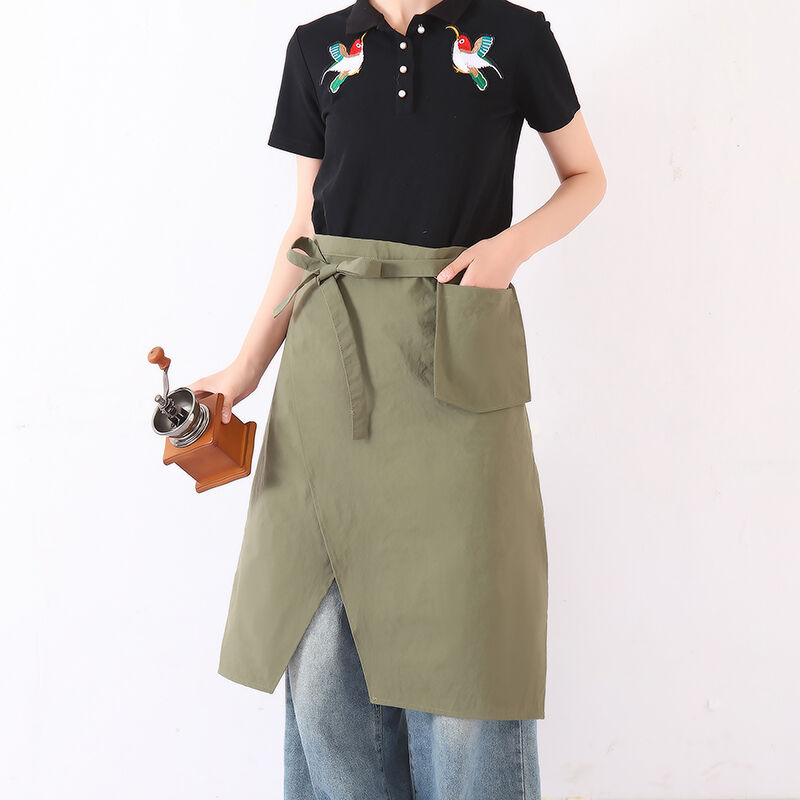
Washing, drying, and ironing denim and cotton canvas server aprons correctly can really extend their life. Please keep in mind the most effective method for washing denim aprons (and all cotton canvas server aprons) is by cold washing. Do not wash it in hot water since the cotton fibers can shrink between 1% and 5% in the first wash. After washing the denim aprons, avoid the heat drying. Instead, either hang your apron up to dry, or tumble dry it on the low setting. This will lessen the deterioration of the fabric and keep it strong and durable. If you need to iron, set your iron to a medium heat. If you need to use a steam iron, that is a good way to remove the wrinkles, and avoid that pesky ironing with your denim apron. When washing your apron, to help minimize color fading, it is a good practice to wash your apron with the aprons that have coffee or greasy stains. Please turn the denim apron inside out before the wash.
Following these basic care tips, most people’s aprons last through hundreds of washes without losing shape or becoming flimsy. They also keep that professional appearance.
Server Aprons with Cutting Edge Materials
Vinyl edges and smart-polymer blends for tough jobs
Restaurant staff tend to get very up close and personal with table legs, chair backs, and counter corners and that results in some very quickly worn aprons. Many kitchens are now using aprons with vinyl edges. These treatments apply tough polymer layers to pockets and seams that are most susceptible to tearing. Real world testing shows that these areas cut rips and tears down by half in busy environments. Another big advantage comes from polyester blends that are treated at the molecular level. These surfaces work as a barrier to oil, red wine, and coffee stains as they literally push them away but they still allow air to flow. Our laundry records show these aprons last three times longer than untreated aprons. These treated aprons also show a slight increase in color retention. Combined, these technologies mean aprons will last at least two times longer even in the worst case scenario of washing them everyday in a busy restaurant. Less replacement costs and a smart look for staff through the whole shift.
FAQ
What material works best for server aprons considering high-volume restaurant traffic?
For high-volume traffic areas, varying abrasion resistance and strength, canvas and denim, work best.
What do I need to do to ensure my aprons made of cotton don’t lose color?
They must be washed in cold, and no bleach.
Do chefs like cotton-polyester 65/35 blends and why?
They do because blends like cotton are just as stain resistant.
What does it mean to have a vinyl apron?
They are reinforced in pockets and seams with polymer coatings to prevent damage and wear in high-volume traffic areas.
How do the 65/35 blends differ from 50/50 cotton blends?
50/50 blends are less wrinkle resistant and have more non-shrink qualities and are considered an easier option.