 EN
EN
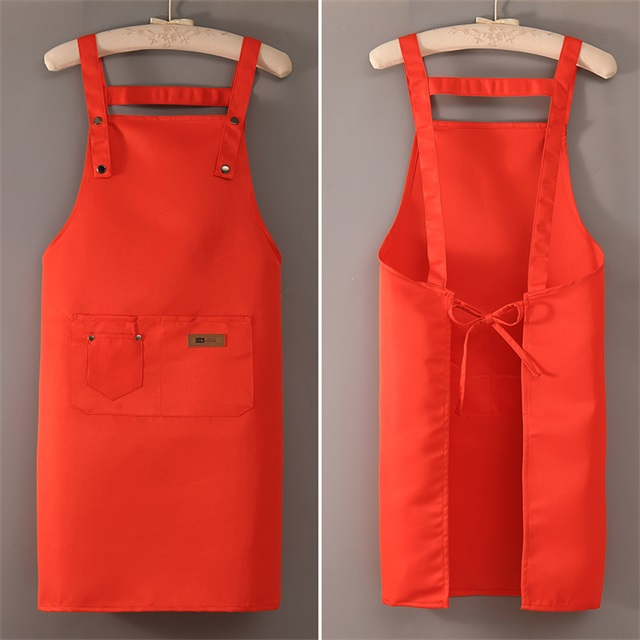
Apron Pelayan Tahan Air — Solusi bagi Krisis Tumpahan di Area Front-of-House
Paparan Cairan Secara Terus-Menerus dalam Lingkungan Layanan
Pekerja di area depan (front-of-house) menghadapi bahaya cairan sekitar 15–20 kali per shift. Mulai dari minuman yang tumpah hingga saus, staf front-of-house tidak pernah benar-benar aman. Apron katun konvensional memiliki kemampuan menyerap cairan secara instan dan menciptakan kondisi lembap serta tidak higienis selama berjam-jam. Kondisi lembap ini menyebabkan ketidaknyamanan bagi pekerja, sekaligus meningkatkan risiko kontaminasi silang karena patogen keluar dari kain dan menginfeksi permukaan. Di tempat usaha populer, apron penyerap menjadi sarang bakteri—terutama bagi staf yang bekerja di area front-of-house maupun back-of-house—karena potensi terjadinya kontaminasi silang.
Mengapa Penghalang Tahan Air Unggul Dibandingkan Bahan Konvensional untuk Penahan Tumpahan
Penghalang tahan air yang membentuk butiran di permukaan menciptakan penahanan cairan secara hampir instan. Tumpahan membentuk penghalang sehingga cairan dapat diserap, dan cairan mengalir turun dari permukaan. Campuran poliester-katun (atau kain katun) mampu menyerap cairan hingga tiga kali beratnya tanpa kehilangan kemampuan penyerapan. Penghalang tahan air memiliki tiga fungsi untuk menjaga kekeringan kain, yaitu:
Kemampuan mencegah penyerapan, aliran cairan berbentuk butiran, serta dengan demikian menghilangkan risiko infeksi akibat adanya penghalang.
Kemampuan permukaan berbutiran untuk dibersihkan dengan mudah, sehingga mencegah kotoran menempel pada kain dan menghilangkan kebutuhan mencuci kain setiap pergantian shift.
Cakupan keran dan pengeringan secara real-time mengurangi kejadian cedera akibat tergelincir dan jatuh.
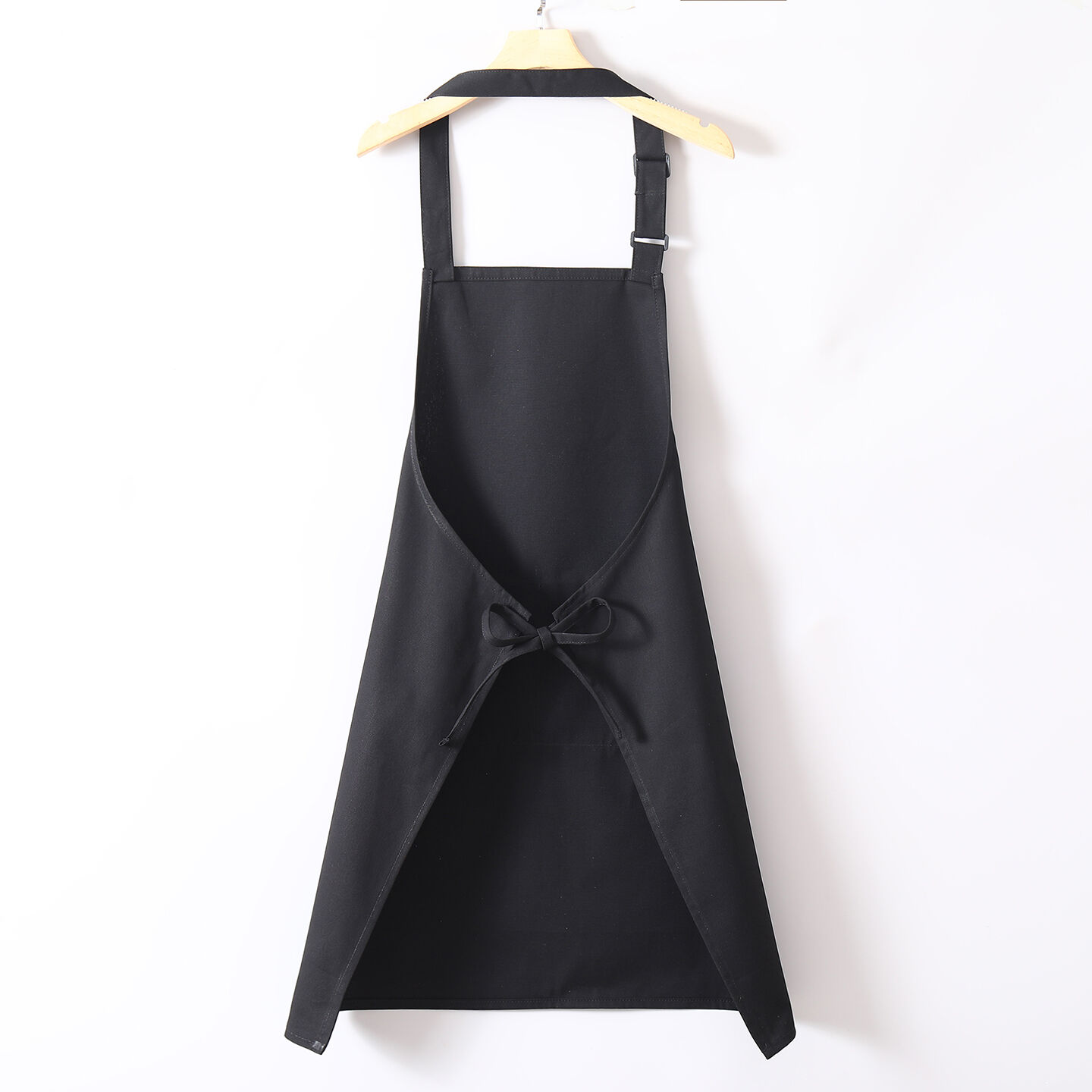
Beberapa studi di bidang keselamatan perhotelan menunjukkan peningkatan sebesar 67 persen dalam insiden tergelincir dan jatuh. Variasi studi tersebut menunjukkan margin signifikan dalam penghematan waktu pada fungsi operasional, serta kemampuan mempertahankan penampilan profesional, karena staf tidak perlu berganti pakaian.
Peningkatan Keamanan Pangan dan Fleksibilitas Staf dengan Apron Pelayan Tahan Air
Membantu Karyawan dalam Kapasitas Ganda Tanpa Kompromi
Dengan celemek pelayan tahan air, staf dapat berpindah dari layanan di area depan restoran ke dukungan di dapur dan kembali lagi. Staf dapat membantu menyusun salad atau membagi porsi makanan penutup, lalu langsung membantu tamu tanpa perlu mengganti pakaian. Hal ini menghilangkan risiko seragam yang terkena noda dari layanan makanan mencemari tamu. Bahan celemek tahan air membantu menahan minyak, saus, dan bahan pembersih. Pilihan tahan air ini juga sangat penting bagi staf yang bekerja antara ruang pencuci piring dan ruang makan. Berbeda dengan kain yang menyerap cairan, kain tahan air mencegah kontaminasi silang serta menjamin konsistensi tampilan profesional staf saat bekerja di berbagai area fasilitas.
Memenuhi Standar HACCP dan Kode Pangan FDA untuk Pakaian Pelindung (PPE)
Apron pelayan tahan air mendukung sistem HACCP (Hazard Analysis Critical Control Point) dan Pasal 2-304 Kode Makanan FDA mengenai Pakaian Pelindung untuk Perlengkapan Pelindung Diri (PPE). Bahan yang tidak menyerap air pada apron ini membantu memenuhi standar NSF/ANSI 2, sehingga memastikan tidak ada bahan pakaian yang bersentuhan dengan makanan secara tidak aman—yang dapat menjadi media pertumbuhan bakteri. Studi independen menunjukkan bahwa kain yang dapat digunakan kembali memiliki jumlah koloni mikroba lebih dari 320 koloni/cm², sedangkan kain tahan air hanya memiliki satu koloni mikroba. Tingkat kegagalan kepatuhan turun dari 19% saat menggunakan apron konvensional menjadi kurang dari 2% ketika menggunakan Pakaian Pelindung (PPE) tahan air. Kepatuhan terhadap alergen makanan menghasilkan bahan non-porus yang tidak menyerap partikel alergen—suatu faktor penting dalam mencegah kontak silang alergen, terutama pada shift kerja multi-peran.
Penghematan Jangka Panjang yang Signifikan dengan Apron Pelayan Tahan Air yang Tahan Lama
Penurunan Biaya Penggantian Seragam hingga Hampir 70% — Data Acuan NRA 2023
Seragam standar dapat merugikan anggaran restoran untuk pengadaan dan penggantian setiap kuartal hingga dua kali setahun, yaitu celemek bar atau bistro. Celemek Pelayan Tahan Air berpotensi mengurangi pengeluaran penggantian hingga 70% dibandingkan biaya penggantian celemek bar dan bistro standar (Data Acuan NRA 2023). Tumpahan dan noda sulit dihilangkan dengan metode konvensional. Produk Liquid U.S. Borders ini memberikan perlindungan serta mencegah konsekuensi finansial mahal akibat kerusakan tekstil oleh noda minuman. Restoran dengan jumlah staf besar dan alternatif biaya signifikan akan menghemat ribuan dolar dalam biaya penggantian, sekaligus memperoleh ketenangan pikiran bahwa staf mereka tetap efisien dari segi biaya.
Staf pelayan dan manajemen terkagum-kagum dengan seragam kasual yang melindungi dari tumpahan dan noda menggunakan desinfektan terdaftar oleh EPA. Berbeda dengan celemek restoran dan bistro tradisional yang memerlukan tenaga dan waktu ekstra dalam proses pencucian, celemek tahan air ini mampu membunuh 99,9% mikroorganisme dalam waktu 30 detik serta memenuhi pedoman sanitasi permukaan kontak makanan sebagaimana diatur dalam standar NSF/ANSI 2.
Pencucian tradisional memerlukan terlalu banyak waktu, air, dan energi, sekaligus berisiko menimbulkan kontaminasi silang antara proses pencucian dan penggunaan celemek. Kini, petugas dapat mengambil jeda untuk membersihkan celemek tanpa mengganggu kelangsungan pelayanan. Kepatuhan terhadap prinsip HACCP secara real-time ini menghemat waktu dan membuat celemek lebih higienis dibandingkan celemek katun yang harus menunggu proses pencucian terlebih dahulu. Bahan penghalang tahan air terintegrasi ke dalam celemek dan tersertifikasi mampu menahan desinfektan harian tanpa mengurangi kinerja celemek. Artinya, tingkat kepatuhan meningkat di area berisiko tinggi dalam layanan makanan, serta mempersiapkan petugas lebih baik menghadapi audit karena dokumentasi keamanan pangan sudah tersedia dan siap diperiksa.
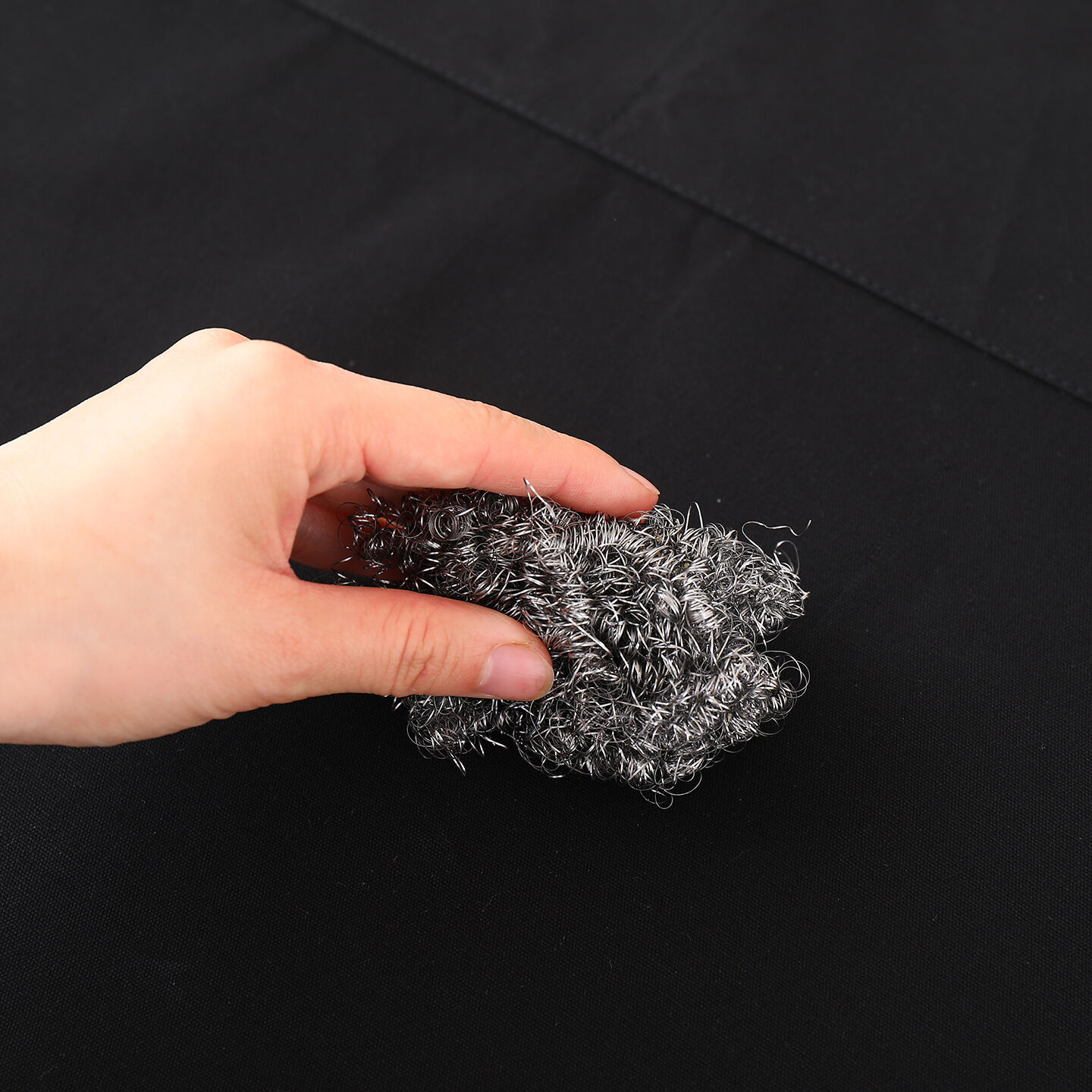
Faktor Kebersihan: Celemek Tahan Air vs. Pencucian Tradisional
Waktu Pengurangan Patogen ≤30 detik 45–90 menit (siklus cuci/kering)
Intensitas Sumber Daya Penggunaan desinfektan minimal Konsumsi air/energi tinggi
Kesesuaian dengan Standar Verifikasi HACCP secara real-time Validasi tertunda, risiko audit lebih tinggi
Hal ini juga secara signifikan memangkas waktu persiapan untuk kegiatan pembersihan sebesar 2 hingga 3 jam per hari bagi 20 staf, serta memungkinkan penambahan waktu layanan pelanggan selain meningkatkan keamanan pangan.
Pertanyaan yang Sering Diajukan
Apa yang membuat celemek pelayan tahan air lebih higienis dibandingkan celemek katun konvensional?
Lapisan polimer tak berpori pada celemek secara alami menolak atau menyerap patogen, memungkinkan desinfeksi cepat, serta menghambat penyerapan patogen dan cairan.
Bagaimana celemek tahan air mengurangi biaya operasional?
Penggantian celemek diperlukan lebih jarang karena kainnya tahan noda dan lebih awet.
Apakah celemek pelayan tahan air sesuai dengan peraturan keamanan pangan?
Celemek ini memenuhi prinsip-prinsip HACCP, Kode Pangan FDA Pasal 2-304 mengenai kebersihan APD, serta standar NSF/ANSI 2.
Bagaimana cara membersihkan celemek pelayan tahan air selama jaga?
Desinfektan yang disetujui EPA dapat disemprotkan atau diusapkan ke celemek selama istirahat jaga, sehingga menghilangkan kebutuhan akan layanan pencucian tradisional yang memakan waktu lama.
Berapa lama masa pakai celemek pelayan tahan air?
Apron-apron ini dapat menahan penggunaan sehari-hari selama lebih dari 2 tahun.