
 EN
EN
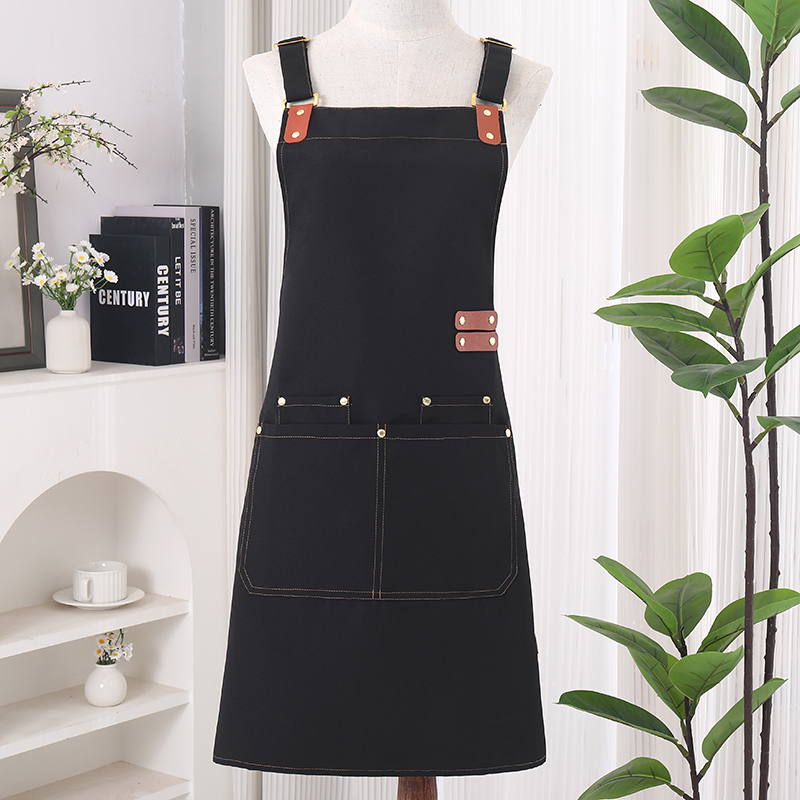
How Fabric Composition Determines Stain Resistance and Washability
Why do some liquids bead up and some Soak in? Let’s look at the Energy and Pore Structure of Fiber.
When it comes to cleaning up at work, some people may notice that their aprons tend to stay clean longer than the other employees in the same restaurant. This is due to how some fibers interact with water, moisture, and other liquids. For this reason, the fibers made of polyester and other synthetic materials are used. These materials have a very low surface energy, meaning that they do not interact with and repel water and oils. Due to this reason, it is common for as use of synthetic fibers fabric to have beverage liquids bead on the surface material. In addition, the fibers need to be tightly woven with a fabric, where the gaps between the threads are less than one micrometer, in order to ensure that food stains do not get trapped in the fabric. Compared to this, food stains get absorbed and trapped by cotton material. It has been shown that synthetic fabrics get clean and recover their original look roughly twice as fast as cotton materials do. This is because the smooth surfaces of the synthetic materials do not adhere to stains and dirt at the same level as the cotton fibers.
The Absorbency Paradox of Cotton: Why Restaurant Staff Should Avoid Cotton Aprons
Cotton feels nice on the skin and offers good breathability. However, in greasy conditions such as those encountered in a restaurant, cotton becomes a liability as it absorbs and soaks up all the grease. Unlike most other fabrics, the natural fibers of cotton literally “drink” the oils and liquids so that stains are pulled deep into the fabric and “locked in” so that the stains are nearly impossible to remove. Last year, the Textile Research Journal published a study that found that cotton apron’s, after being laundered, contained 37 percent more oil and tomato sauce stains than polyester apron’s. Cotton and grease have an affinity for each other and that in itself poses a problem for the laundering process as more detergent and hotter water are required to clean the apron’s. Earlier this year, the Hospitality Institute published findings that showed that the comfort desired in cotton fabrics was the source of the friction that produced soiled fabrics in the splash zones of the kitchens. Maintenance crews spent more time on the cotton fabrics, increased chemical usage, and increased the frequency with which apron’s were replaced.
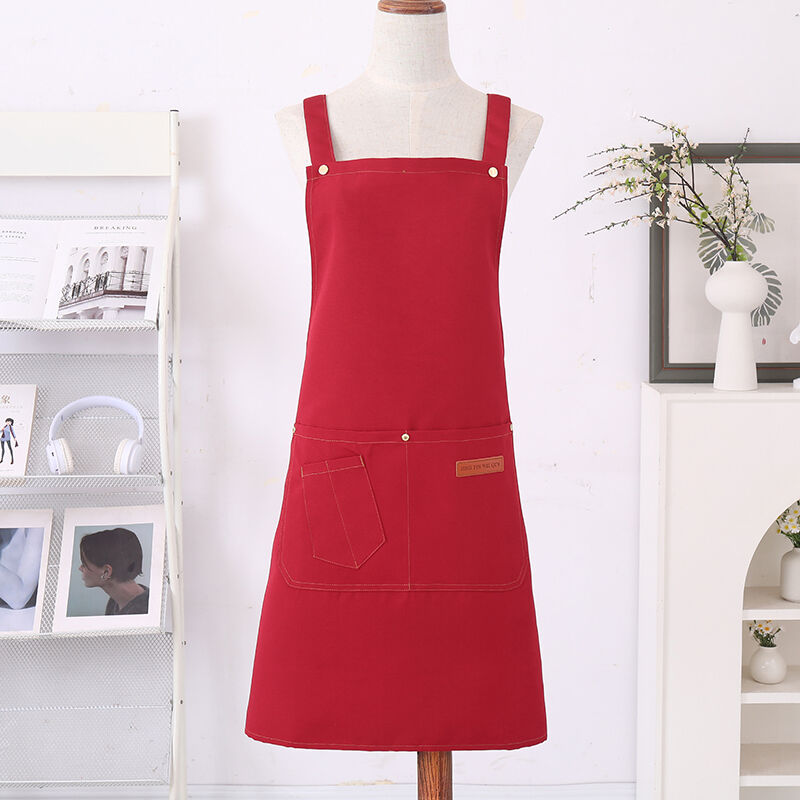
Performance Trade-Offs for Restaurant Aprons: Cotton, Polyester, and Blends
Heavyweight Cotton Drill (8–10 oz): Breathability and Durability vs. Wash-Down Problems
8-10 oz cotton drill fabric has good breathability and comfortable feel, which is especially important for behind-the-scenes roles that experience high- temperature operations. Cotton drill fabric is fully woven, and while it protects a bit against the splatter during cooking, it has an inherent flaw because cotton is a liquid-absorbing material. Therefore, the cooking oil, food dyes, and other stains would be difficult to remove, if not impossible. Aprons made of pure cotton started to lose their structural integrity and strengthened after a few rounds of industrial wash. A recent report published in 2023 on the durability of textiles showed that pure cotton aprons wore out 15% more against mixed fabric aprons. Kitchen oils prevalence is an important consideration during the design, and the initial feeling of the apron must be weighed against the effort put forward to keep the apron clean.
Polyester/Cotton Blends (65/35) Adds Balance to Tensile Strength, Wrinkle Resistance, and Stain Release
Choosing the right fabric can make or break the daily grind for restaurant employees. There is a reason the 65/35 polyester and cotton blend is an industry standard, it offers the right balance of practicality and comfort. With the polyester blend, it fends off water and helps to resist stains from coffee spills and food messes. The cotton blend allows for breathability and comfort so the employees do not get too hot during service. This blend is also great for industrial laundering as they do not get snagged and lose their crisp feel. New research from the previous year’s edition of the Textile Performance Journal, found that blended aprons fared 40% better than those made of 100% cotton, in terms of maintaining shape and seam integrity, after 50 cycles of industrial laundering. This results in a cleaner look for employees and the need for ironing between service periods is minimal.
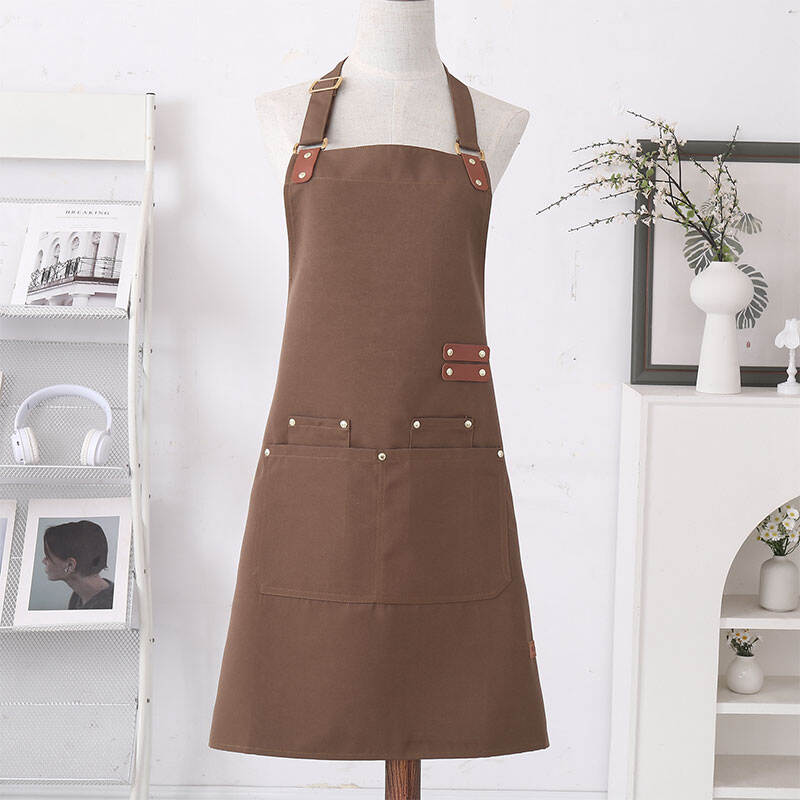
Innovative Finishes That Boost Easy-Clean Functionality in Restaurant Aprons
Durable Water Repellent(DWR) Coatings: Oil Release Technology and Commercial Laundering Cycle Durability
DWR finishes repel water and help lessen the stains that fabrics encounter via a chemical means that diminishes surface energy. Some companies use traditional fluoropolymer, while others trail-blaze new methods in the use of bio-based wax and silicone derivatives. These treatments create a micro-structured fabric surface, that results in the beading and rolling of oil and water, preventing them from being absorbed. Quality DWR finishes are effective up to 50 commercial washes, provided there is no washing above 160 degrees Fahrenheit, and proper washing and drying techniques are implemented. While low quality DWR finishes tend to be ineffective after 1-8 washes, quality DWR finishes remain effective and breathable for the rigors of the hotel laundry cycles including high speed washer extractors and tumble dryers. Proper and even coating is imperative to avoid areas of uneven coating that retain dirt. To maximize DWR finishes, industry professionals recommend treatments to be re-applied every 20 to 30 wash cycles.
This ensures the fabric does not feel uncomfortable or unsafe when wearing.
Choosing The Right Material Of Restaurant Apron For Each Role
How effective restaurant aprons are depends on how well the right fabric characteristics are matched to the different roles. For front-of-house roles like wait staff, bar staff, and hosts, the most important things are the ability to move around easily, looking good, and the ability to quickly deal with any spills. It is no wonder that lightweight waist aprons made from 65/35 poly-cotton blends are so popular. These blends don't get drink stains and spills as easily as other fabrics and they resist wrinkling. They are also not restrictive when staff are moving around the dining area or the bar. These aprons are also good because they keep the neat and professional look they have for a long time. They are not as common to iron or replace as some other aprons styles and staff appreciate not needing to spend time on adjusting they're aprons per shifts.
Every day, restaurant kitchen employees can suffer injuries from hot oil, boiling water, sharp counters, and open flames on the grill. For these workers, heavy duty cotton drill apron styles that are 10 ounces thick or reinforced cross back bibs that are 34 to 40 inches provide much greater protection from the dangers of working in restaurants. The thick material not only prevents oil from soaking through the apron, but cotton is also naturally fire resistant, so the extra protection when next to hot stoves and deep fryers is useful. The cross back styles also help distribute the weight more evenly across the body, line cooks love this after being on their feet for so long. The seams are also built to withstand industrial washing cycles so they are extra durable. As the National Restaurant Association reported in 2023, restaurants that switched to heavier cotton aprons reported a 40% reduction in replacement costs than those that used lighter weighted aprons. It is obviously a smart business move to provide their employees with the appropriate protective equipment.
FAQ
Q: Why are some aprons better for avoiding stains than other fabrics?
A: Aprons are better at avoiding stains than other fabrics due to the materials used in the creation of the apron material. Most apron materials are made out of liquid repelling materials, such as polyester. Liquid repelling materials and polyester help to reduce the chance for stains to form.
Q: How does fabric type affect stain washability?
A: The type of fabric composition affects washability because it affects the created ease and fastness of stain removal. Smooth surfaced synthetic fibers tend to wash more effectively than cotton, which grips stains.
Q: How do stain resistant properties of polyester and cotton differ?
A: Polyester and cotton differ in stain resistant properties because polyester repels and does not soak in liquid, making stains easy to remove, while cotton grabs and soaks out liquid.
Q: How does weight of cotton fabric affect its functionality?
A: The weight of the cotton fabric affects the functionality by the absorption of stain. Stains will be absorbed, and the fabric will be able to sustain more wear, as the fabric will need more frequent washing.
Q: Are aprons made out of polyester and cotton blends appropriate for restaurants?
A: Polyester and cotton blends provide a good combination of strength, durability, stain and wrinkle resistance, and bin practicality for restaurant aprons in front of house and back of house areas.
Q: What additional benefits do water-repellent finishes provide for aprons?
A: Water-repellent finishes create a surface texture that resists oil and water, increasing stain resistance and extending the life of the fabric, even after several washes.
Table of Contents
- Why do some liquids bead up and some Soak in? Let’s look at the Energy and Pore Structure of Fiber.
- The Absorbency Paradox of Cotton: Why Restaurant Staff Should Avoid Cotton Aprons
- Heavyweight Cotton Drill (8–10 oz): Breathability and Durability vs. Wash-Down Problems
- Innovative Finishes That Boost Easy-Clean Functionality in Restaurant Aprons
- Choosing The Right Material Of Restaurant Apron For Each Role
- FAQ