
 EN
EN
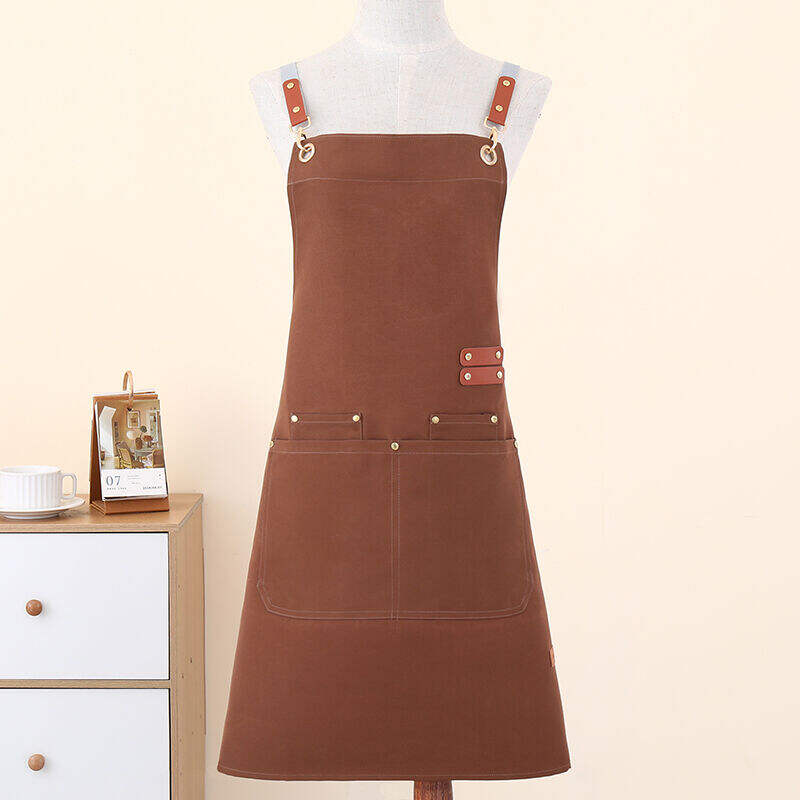
When the Wrong Apron Turns Grilling into a Gamble
Walk past any backyard barbecue: someone's flipping burgers in a thin kitchen apron soaked with marinade. Choosing the right bbq apron matters less for looks and more for protection when heat, sparks, and hot grease are inches away.
Why a Standard Kitchen Apron Fails at the Grill
Most kitchen aprons use lightweight cotton or polyester blends under 200 gsm — fine for flour and water indoors. Over a charcoal grill at 260°C, that fabric turns into a hazard.
Cotton absorbs grease instantly. Once saturated, the fabric holds hot oil against skin — the apron itself becomes a burn risk. Polyester blends are worse: synthetic fibers melt on contact with heat or flying embers. Standard aprons leave the chest, arms, and legs exposed, and flare-ups do not check where the fabric ends.
Grease Burns, Spark Damage, and the Hidden Costs
Hot grease consistently ranks among top causes of cooking thermal injuries in emergency department data. Outdoor grilling compounds these risks — wind gusts redirect flames and fat on coals creates sudden flare-ups.
A purpose-built bbq apron addresses these dangers at the material level by creating a reaction window between grease hitting fabric and heat reaching skin. Beyond safety, smoke and grease stains ruin everyday clothing through repeated exposure. A dedicated bbq apron eliminates that hidden replacement cost from the first cook.
Materials and Styles That Define a Quality BBQ Apron
How a fabric performs under heat, grease, and repeated washing determines whether a bbq apron is worth buying.
Leather, Canvas, Denim, and Waxed Blends — Heat Performance Compared
Leather provides the highest protection. Full-grain cowhide resists flame, repels grease, and handles ember contact without charring. The trade-off is weight and breathability — excellent for all-day smoking, excessive for quick weeknight grilling.
Heavy canvas — 340 to 510 gsm — strikes the best practical balance. The dense weave blocks sparks and buffers radiant heat while breathing. Canvas absorbs less grease than cotton, and softens with washing without losing protective density.
Denim aprons share canvas durability but trend lighter. Raw denim above 340 gsm handles moderate splatter, though it chars faster near flame and allows more grease penetration.
Waxed canvas coats standard canvas with an oil-resistant layer — liquids bead and roll off. The compromise: wax finishes wear with washing, need reapplication, and reduce airflow during hot-weather grilling.
Bib vs. Cross-Back vs. Waist — Which Cut Matches the Job
A bib apron covering chest to knees is the safest grilling default, shielding against upward splash and downward drips. Neck-loop designs work for short sessions but strain the spine after an hour.
A cross-back apron spreads weight across shoulders and back, eliminating neck strain — significant for pitmasters on long shifts.
A waist apron covers from the waist down for lighter tasks like flipping burgers. The exposed chest makes it unsuitable when flare-ups are likely. Waist aprons pair best with a heat-resistant jacket.
Pockets, Straps, and Length That Matter at the Fire
A chest-height pocket keeps a thermometer accessible. Divided waist pockets separate tongs from rubs. Metal D-rings outlast plastic buckles near heat, and reinforced bartack stitching holds through repeated movement. The right bbq apron extends to mid-thigh — roughly 86 to 96 centimeters from chest to hem.
From Casual Backyard to Commercial Pit — What Works at Scale
How a Texas BBQ Catering Operation Upgraded Its Crew Aprons
A Texas barbecue caterer running eight crew across two mobile smokers used cheap polyester-blend aprons that frayed and melted within weeks. At one event, a server's apron caught a spark from the firebox, burning through the fabric.
The owner switched to heavyweight canvas bib aprons — cross-back straps for the pit team, adjustable bibs with divided pockets for servers, each screen-printed with the company logo.
After a full season, clothing damage dropped near zero. The canvas aprons survived weekly commercial laundering. Servers reported less neck fatigue on 10-hour days. A safety fix became a branding improvement.
Sourcing Tips for Bulk Buyers — Restaurants, Retailers, and Events
Bulk purchasing demands consistency. A home griller can experiment; a restaurant ordering 200 units cannot. Ask for exact gsm — not "heavyweight." A 50-gsm difference changes heat handling and wash durability. Double-stitched seams at stress points and bartack reinforcement mark a bbq apron built to last. For brand-forward buyers, screen printing handles bold logos, embroidery offers better wash durability and a premium finish. A knowledgeable supplier explains these trade-offs transparently.
Frequently Asked Questions
What material is best for a bbq apron?
Leather provides the highest heat and spark resistance for intensive pit work. Heavyweight canvas — 340 to 510 gsm — offers the best all-around balance of protection, breathability, and washability. Denim suits lighter backyard cooking. Waxed canvas works when easy wipe-down matters more than airflow.
Can a leather bbq apron be machine washed?
No. Machine washing strips natural oils from leather, causing it to dry and crack. Spot-clean with a damp cloth and mild saddle soap. Condition every three to six months with leather balm to maintain flexibility and water resistance.
How long should a grilling apron be?
A grilling apron should reach at least mid-thigh — roughly 86 to 96 centimeters from chest to hem. Shorter aprons leave upper legs exposed to grease and embers. Commercial kitchens favor longer cuts reaching just above the knee.
Are cross-back aprons better than neck-loop aprons for grilling?
Cross-back aprons distribute weight across the shoulders, reducing neck strain during long sessions. For anyone wearing an apron six-plus hours, the comfort difference is noticeable. Neck-loop bibs work well under two hours and go on and off faster.
What should a professional bbq apron cost?
Entry-level canvas bib aprons from bulk suppliers range from 15 per unit. Mid-range waxed canvas falls between 30. Full-grain leather starts around 5 to $12 per unit.
Do BBQ aprons need to be flame-resistant?
For backyard grilling, heavyweight natural-fiber aprons — canvas or leather — provide sufficient protection without certified flame-resistant treatment. Commercial kitchens governed by NFPA 96 standards may require flame-resistant garments. Always verify local fire code requirements for professional kitchens.
Choosing a Reliable Apron Manufacturing Partner
Sourcing aprons in volume shifts the focus from features to supply-chain consistency. A partner managing fabrication, cutting, sewing, and finishing under one roof eliminates quality gaps that appear when production moves between subcontractors. Thread tension, pocket placement, and cutting accuracy across thousands of units do not happen by chance.
CHENGJI brings more than a decade of apron-specific manufacturing to a 2,000-square-meter facility with over 200 skilled workers, handling cotton, polyester-cotton, denim, and canvas fabrication in-house with customization spanning screen printing, heat-transfer printing, and embroidery. For businesses sourcing a bbq apron that must perform consistently across large orders, a manufacturer that understands material science alongside production repeatability shortens the path from sample to shipment.