 EN
EN
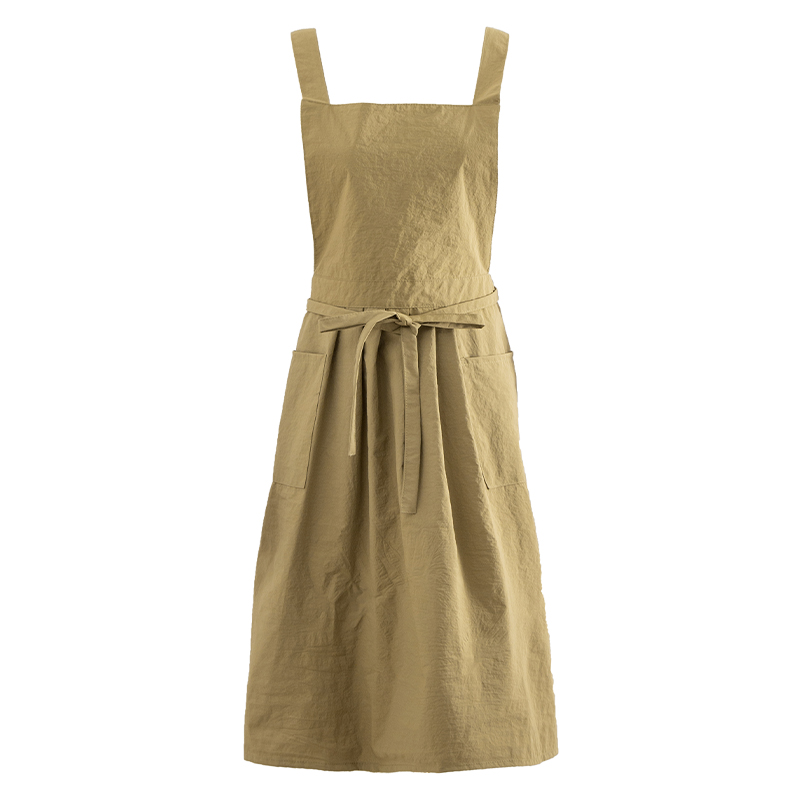
Defining the Family Cooking Team Apron
A personalized apron for a family cooking team is not a souvenir — it is functional workwear that must survive flour dust, oil splatter, and repeated hot-water washing while clearly identifying who is on grill and who is on sauce duty. A family that cooks together needs aprons fitting every body type from teenage sous-chef to grandparent pastry lead, durable enough for multi-course meal preparation, and appealing enough that everyone wants to wear them.
Fabric Choices That Survive a Busy Kitchen
Cotton canvas at 8 to 10 oz weight is the standard for a durable personalized apron — it breathes, absorbs splatter, and develops a soft patina with washing. Denim at similar weights offers comparable durability with a different aesthetic — the fade over months tells the story of a kitchen that works. Polyester-cotton blends at 65/35 or 80/20 ratios offer wrinkle resistance and faster drying, important when washing between prep and serving. Coated or water-resistant fabrics suit families doing messy work — butchering or sauce reduction — where liquid repellency matters more than breathability. Fabric choice should match cooking style: cotton for bakers, poly-cotton for grill stations, coated fabrics for wet prep.
Real-World Case — A Family Restaurant Launches Team Aprons
A family-owned Italian restaurant in Chicago with three generations working the kitchen previously used plain white bib aprons that became indistinguishable after the first hour of service. The family commissioned personalized apron designs: 10 oz cotton canvas in charcoal with each member’s name and role embroidered on the chest. The grandfather’s apron included a dual pen pocket for thermometer and tasting spoon. The granddaughter’s featured an adjustable cross-back strap reducing neck strain. After six months of daily use and weekly commercial laundering, the embroidery remained legible, the fabric had softened but not thinned, and customers knew exactly who made their pasta and who baked their cannoli.
Personalization Methods and Design Elements
Printing, Embroidery, and Heat Transfer — Durability Compared
A personalized apron carries names, roles, or logos through three methods. Embroidery — stitching design directly into fabric with poly-core thread — is the most durable, surviving hundreds of wash cycles without peeling or cracking, and adding a premium tactile feel. Screen printing applies ink to the fabric surface — vibrant and cost-effective for bulk orders but subject to gradual fading over 50 to 100 washes. Heat transfer printing delivers full-color photographic detail at lower cost per color than embroidery, but the transfer film can crack after repeated high-temperature washing and drying.
Designing for Different Family Roles
Sizing, Pocket Configuration, and Adjustable Features
A personalized apron for a family team must accommodate size diversity. Adjustable neck straps — sliding buckle or D-ring — allow one apron to fit heights from 5’2" to 6’4". Extra-long waist ties (minimum 36 inches per side) accommodate different waist sizes. Pocket configuration should match the role: a grill cook needs a deep center pocket for tongs and thermometer, a baker needs dual side pockets for bench scraper and piping tips, a pasta maker needs a towel loop. Cross-back strap designs distribute weight across the shoulders rather than the neck, reducing fatigue during long sessions.
Ordering Personalized Aprons for a Group
Five Steps from Concept to Delivery
First, define the apron style and fabric for each role — a pastry cook and a grill master have different needs. Second, finalize personalization content and choose the method — embroidery for durability, print for full-color designs. Third, collect measurements for every family member to ensure fit on first delivery. Fourth, request a pre-production sample — test through a real cooking session and wash cycle. Fifth, order with a 5% to 10% buffer in the most common size, because re-running a custom personalized apron order for one or two extras is disproportionately expensive.
Frequently Asked Questions
What is the most durable fabric for a personalized apron?
Cotton canvas at 8 to 10 oz is the most durable fabric for a personalized apron in a working kitchen. It absorbs splatter, withstands hot-water washing, and develops a soft hand feel. Denim at similar weights offers comparable durability with a different aesthetic.
Which personalization method lasts longest?
Embroidery with poly-core thread lasts longest on a personalized apron — it survives hundreds of commercial wash cycles, cannot peel or crack, and maintains legibility far longer than screen printing or heat transfer. Higher per-unit cost is offset by zero rework.
How many pockets should a family team apron have?
Pocket count and configuration should match the cooking role. A grill cook needs one deep center pocket. A baker benefits from two side pockets. A personalized apron design should vary layout by family member rather than applying one configuration to all.
What size adjustments fit multiple family members?
Adjustable neck straps, extra-long waist ties (36+ inches per side), and cross-back strap designs allow one personalized apron to fit a range of heights and body types, extending useful life across growing teenagers and changing waistlines.
How should a family team coordinate apron designs?
Coordinate through a common color palette, a shared family crest or logo, and individual name/role embroidery in consistent thread colors. A personalized apron set with the same base color and different role identifiers creates unity while keeping function distinct.
What order quantity makes sense for a family team?
Order one personalized apron per active cook plus two spares in the most common size. A family of five cooking together needs 7 aprons total — the spares cover guests, replacements, and new members without a costly re-run.