 EN
EN
Navigating Workwear Vulnerabilities Across Dual Environments
Degradation Material Risks of Single-Environment Apparel and Canvas Apron Limitations
Procuring durable utility workwear for multi-department commercial operations or artisan teams requires a careful balance between ergonomic comfort, long-term textile endurance, and physical safety barriers. When operations managers distribute standard, low-density cotton uniforms or lightweight synthetic garments to personnel floating between indoor preparation areas and outdoor maintenance zones, the utility apparel frequently undergoes rapid material structural degradation. Transitioning to a heavy-duty, professionally engineered canvas apron addresses these environmental vulnerabilities by offering dual-surface adaptability, high abrasion protection, and structural stitch resilience across shifting thermal ranges. Relying on basic uniform alternatives instead of reinforced woven utility gear introduces serious operational risks, such as high replacement turnover expenses, employee chemical exposure, and constant garment tears caused by rough physical friction against industrial surfaces.
Analyzing Operational Wear, Chemical Hazards, and Physical Strain
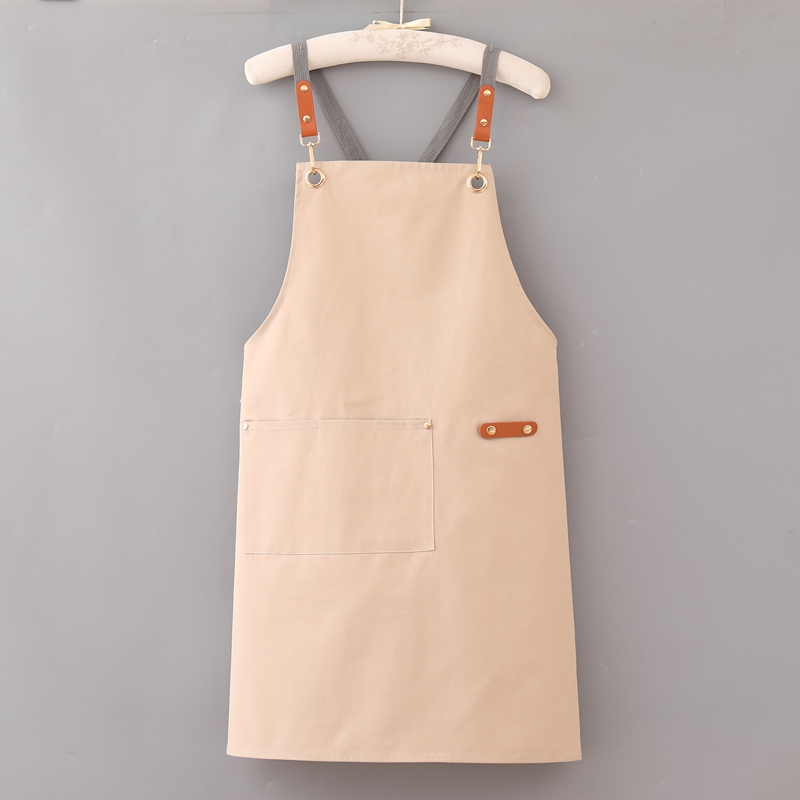
A major hurdle when sourcing versatile protective workwear involves identifying the exact fabric weaknesses that appear when shifting from climate-controlled indoor spaces to unconditioned outdoor environments. Standard commercial aprons often use single-stitched synthetic blends that easily trap intense humidity, absorb hot grease spills, and tear open when scraped by sharp metal edges or coarse outdoor lumber. Microscopic grease particles or environmental moisture can build up within loose weave patterns, creating breeding grounds for bacteria, causing fabric odor retention, and lowering professional presentation standards. For commercial service teams or woodworking shops managing mixed labor duties, low-tier garment selections create unnecessary safety hazards, restrict upper-body movement during technical tasks, and damage institutional credibility. Utilizing thick, cross-back strap distribution designs over standard neck loops shifts weight loads evenly across user shoulder blades to prevent physical fatigue during extended work shifts.
Upscale Hospitality and Artisanal Workshop Operations: A Real-World Case Study
Practical experience within mixed-use culinary and metal-craft workshop environments shows the measurable financial advantage of shifting from low-gauge retail garments to specialized technical textile systems. A prominent regional hospitality enterprise managing indoor gourmet kitchens alongside extensive outdoor smokehouses and wood-firing zones audited its uniform department after experiencing extreme textile replacement costs and poor oil-stain rejection performance. The management distributed standard polyester-cotton blending aprons, which resulted in a twelve percent weekly fabric tearing rate, high hot-grease skin contact injuries, and a messy appearance caused by permanent fluid staining. The operational management team resolved this production bottleneck by introducing specialized, wax-treated canvas apron configurations featuring heavy-duty copper rivet points and adjustable cross-back cotton webbing straps. Within ninety days of full deployment, the hospitality group dropped garment structural tear rates to zero, reduced beverage and oil stain absorption anomalies completely, and saved forty-two percent on annual uniform purchasing costs, preserving a premium brand presentation.
Engineering Principles and Material Science of Heavy-Duty Textiles
The Physics of Duck Weave Fabric Density and Tensile Strength Optimization
Achieving maximum physical protection and long-term textile flexibility requires a thorough understanding of fabric weaving geometry, ply counts, and thread tensile strength. Premium industrial protective gear utilizes high-density duck canvas weave structures where heavy double-ply cotton yarns are tightly woven parallel to each other, creating a smooth, wind-blocking face that resists snagging. The mechanical spinning process yields a high fabric weight rating, typically between twelve and sixteen ounces per square yard, which forms an effective puncture barrier against flying metal burrs or sharp wood splinters. This tight weave pattern avoids bulkiness, ensuring that a professional canvas apron conforms naturally to the wearer's torso during complex movements while maintaining uniform material density under heavy tension stresses.
Hydrophobic Coatings, Wax Saturation Techniques, and Thermal Barriers
To maintain optimal liquid resistance and thermal safety protection across indoor kitchens and wet outdoor environments, utility fabrics leverage advanced surface finishing technologies. High-end performance canvas uses paraffin wax infusion or fluorocarbon-free hydrophobic coatings bonded directly to raw cotton fiber matrices. When hot water, cooking oils, or liquid chemicals hit the treated exterior surface, the liquid beads up immediately and slides off without soaking into the inner yarn core. This specialized treatment layout provides a reliable barrier against liquid penetration and safeguards the wearer against sudden boiling water contact, all while preventing environmental moisture absorption from reducing fabric flexibility during cold weather outdoor applications.
Regulatory Safety Standards and International Material Benchmarks
Procuring heavy-duty protective apparel for high-density commercial operations demands full alignment with international material safety guidelines, chemical toxicity metrics, and quality testing frameworks. Manufacturing facilities processing technical canvas apron models must verify that their fabrics comply with recognized global benchmarks, including ISO 12947 abrasion resistance standards, OSHA workplace protective gear parameters, and OEKO-TEX environmental safety criteria for chemical contact. These regulatory rules ensure that dyes and water-repellent wax mixtures contain zero harmful heavy metals or skin irritants that could pose risks during high-temperature conditions. Meeting these international electrical and mechanical safety benchmarks guarantees that protective gear performs consistently in heavy industrial settings, easily passing strict third-party corporate facility audits.
Strategic Sourcing and Lifelong Structural Maintenance Protocols
Critical Procurement Metrics for B2B Commercial Buyers
Selecting a dependable commercial uniform production partner requires evaluating custom tailoring tolerances, hardware plating strength, and batch color fastness rather than prioritizing low-grade retail outlets. Supply specialists sourcing a versatile canvas apron fleet must confirm that a manufacturer integrates solid anti-rust brass or copper hardware components that resist corrosion when exposed to kitchen steam or outdoor rainfall. Choosing suppliers that utilize double-reinforced box stitching and heavy bar-tack patterns at major load points like pocket seams and waist strap attachments ensures the gear can safely carry heavy hand tools without fabric tearing. Sourcing managers should also evaluate custom pocket designs, selecting models with diverse tool loops and dust flaps to keep debris out of sensitive electronic devices during field tasks.
Validation Inspection Checklists and Industrial Fabric Cleaning Routines
The ongoing precision and structural longevity of heavy canvas protective assets depend on structured preventative maintenance schedules and correct spot-cleaning validation routines. Over months of multi-shift usage, abrasive dust particles and oil buildup can embed within raw fabric fibers, potentially compromising wax coatings if left unmaintained. Corporate procurement managers should establish weekly cleaning protocols that focus on gentle hand washing with cold water and soft bristle brushes, while avoiding harsh chlorine bleaches that strip water-repellent layers. Standardizing on monthly validation procedures—such as checking rivet stability, testing buckle latch strength, and inspecting seam tension lines—prevents unexpected structural wear on the job, extends the equipment service life, and ensures every employee works safely in professional-grade apparel.
Choosing a Reliable Storage Solution Partner
Building a highly resilient and visually stunning brand presence across indoor and outdoor commercial operations requires a dependable manufacturing partner capable of delivering consistent material quality and steady global supply chain support. Sourcing industrial utility wear from producers with deep design expertise and advanced fabrication facilities ensures that every deployed asset performs reliably under heavy shift use and strict sanitation routines. This is where aligning with an established global manufacturer like CHENGJI provides exceptional long-term value. With sophisticated production infrastructure and a strong focus on precise quality management, CHENGJI consistently provides premium canvas apron selections designed to meet rigid international safety and commercial performance standards. Partnering with a globally integrated manufacturer gives engineering enterprises reliable access to a robust product catalog, deep customization expertise, and consistent construction quality that keeps facility expansions moving smoothly year after year.
Frequently Asked Questions
Can a single canvas apron perform reliably in both hot commercial kitchens and wet outdoor work environments?
Yes, high-density duck canvas materials treated with specialized wax saturation coatings handle dual-environment challenges smoothly. This material construction repels water, cooking oils, and outdoor moisture effectively while offering a strong physical barrier against heat, friction, and sharp objects across indoor and outdoor spaces.
How does cross-back strap engineering protect operators from neck strain during extended work shifts?
Cross-back strap systems route the weight of the apron and stored tools across the shoulders and upper back muscles instead of pulling directly on the neck. This ergonomic distribution pattern minimizes muscle fatigue, prevents spinal strain, and supports full physical mobility during demanding manufacturing or service tasks.
What parameters ensure that utility hardware components resist rust when exposed to moisture?
Industrial-grade apparel incorporates premium anti-rust brass, copper, or powder-coated steel rivets and buckle clips along major load joints. These materials undergo rigorous salt-spray exposure testing to verify they will not rust or degrade when exposed to kitchen humidity, cleaning solutions, or rainy weather.
Why is a 16-ounce canvas density rating preferred for industrial tool-carrying applications?
A 16-ounce fabric density rating indicates that a heavy yarn count is packed into a tight canvas weave, providing high tensile strength and superior puncture resistance. This heavy-duty weight protects the wearer from sharp tool points, resists tearing under tension, and extends the operational lifecycle of the workwear.
How do procurement managers verify the safety and non-toxicity of custom uniform dye processes?
Sourcing specialists should choose manufacturing facilities that comply with OEKO-TEX and ISO quality guidelines. These international verification frameworks ensure that the fabric dyes, finishing wax, and raw cotton fibers are completely free from toxic chemicals, making them safe for extended skin contact.
What is the correct protocol for cleaning a wax-treated canvas apron without damaging its coating?
Waxed fabrics should never be dry cleaned or machine washed with harsh chemical detergents. Instead, operators should use cold water and a damp cloth or soft brush to spot-clean surface debris, allowing the fabric to air dry naturally to preserve its water-repellent wax layers.
Can custom logos and brand identifiers be added to heavy-duty utility apparel securely?
Yes, custom manufacturing supports long-lasting brand identification using laser-engraved leather patches, high-density embroidery, or heavy-duty metal stamps. These industrial application techniques ensure that company logos remain clearly legible and firmly attached through years of heavy field use.
Which structural stitch patterns work best to prevent pocket tearing under heavy tool loads?
Premium canvas aprons utilize specialized bar-tack sewing patterns, double-needle lock stitching, and solid metal rivet reinforcements at every pocket corner. This engineering layout disperses weight stresses away from the thread lines, preventing pocket separation when carrying heavy industrial hand tools.
Table of Contents
- Navigating Workwear Vulnerabilities Across Dual Environments
- Engineering Principles and Material Science of Heavy-Duty Textiles
- Strategic Sourcing and Lifelong Structural Maintenance Protocols
- Choosing a Reliable Storage Solution Partner
-
Frequently Asked Questions
- Can a single canvas apron perform reliably in both hot commercial kitchens and wet outdoor work environments?
- How does cross-back strap engineering protect operators from neck strain during extended work shifts?
- What parameters ensure that utility hardware components resist rust when exposed to moisture?
- Why is a 16-ounce canvas density rating preferred for industrial tool-carrying applications?
- How do procurement managers verify the safety and non-toxicity of custom uniform dye processes?
- What is the correct protocol for cleaning a wax-treated canvas apron without damaging its coating?
- Can custom logos and brand identifiers be added to heavy-duty utility apparel securely?
- Which structural stitch patterns work best to prevent pocket tearing under heavy tool loads?