
 EN
EN
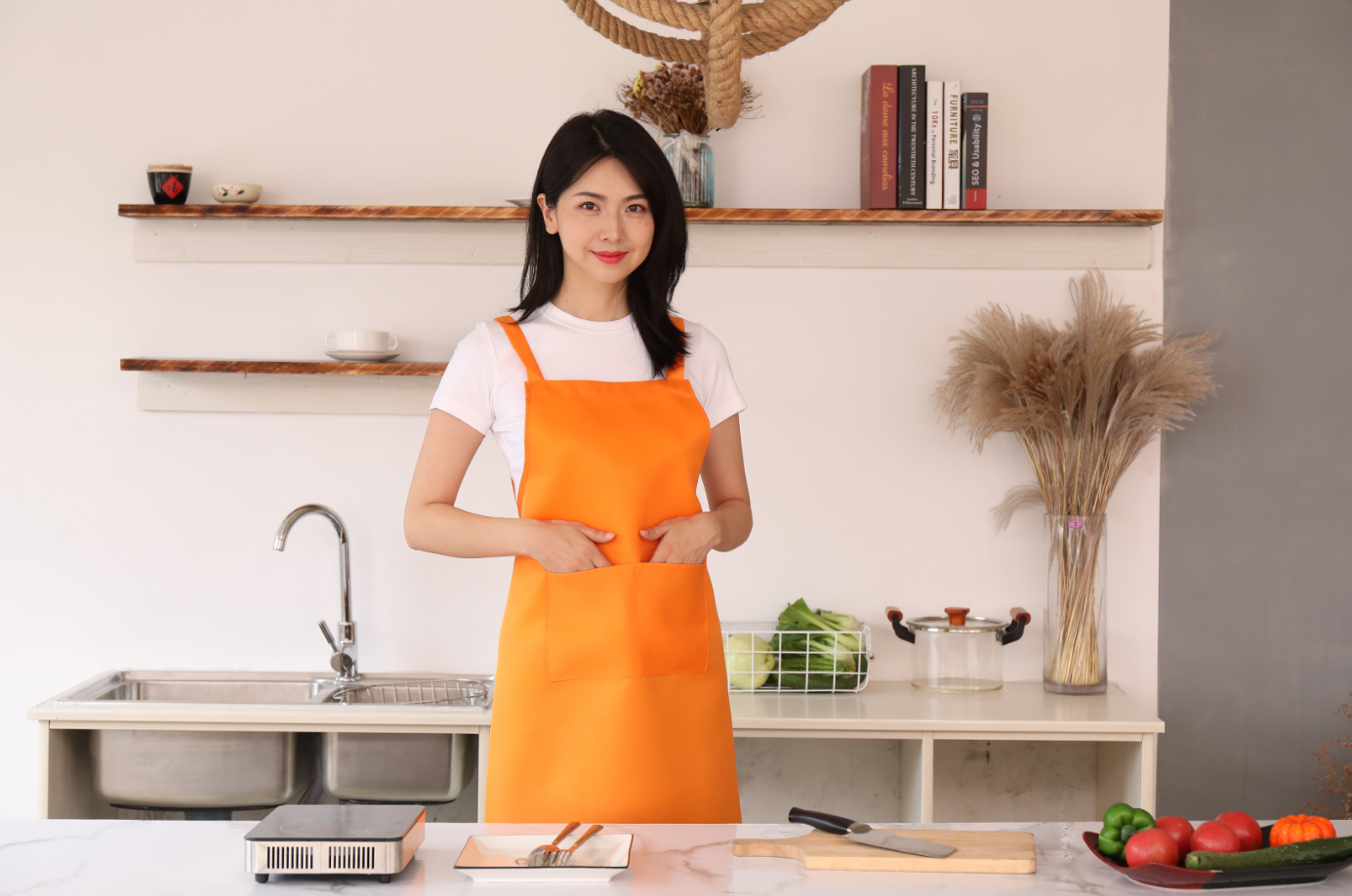
Dlaczego oddychalność jest kluczowa w fartuchu kuchennym na lato
Może być niekomfortowo i niebezpiecznie pracować w kuchni latem, gdy temperatura w pomieszczeniu znacznie wzrasta. Standardowe fartusze wykonane z ciężkiego poliestru i winylu dodatkowo pochłaniają ciepło i pot. Badania naukowe dotyczące komfortu termicznego wskazują, że takie materiały mogą podnieść temperaturę ciała o kolejne 2–3 stopnie Fahrenheita już w ciągu pół godziny przebywania w gorącym środowisku. Wilgotna tkanina staje się doskonałym podłożem do rozwoju bakterii. Lepsze materiały na fartuszki umożliwiają przepływ powietrza przez tkaninę oraz odprowadzanie wilgoci od skóry – podobnie jak to robi organizm człowieka w celu naturalnej regulacji temperatury ciała. Kucharze są zobowiązani do wykonywania pełnych zmian w ciągu dnia i często muszą przebywać w bezpośredniej bliskości otwartego płomienia lub źródła ciepła w kuchni. Lepsze materiały na fartuszki pozwalają kucharzom utrzymywać wyższą wydajność pracy przez dłuższy czas, popełniając przy tym mniej błędów i unikając wypadków. Wybór najbardziej odpowiednich tkanin wspierających chłodzenie ciała ma również na celu poprawę ogólnego wyglądu fartuszka.
Najlepsze oddechowe materiały na lekki fartuch kuchenny
Lnen i mieszanki bawełny z konopiami: naturalne, odprowadzające wilgoć i rozpraszające ciepło
Len ma luźną strukturę tkanej, co oznacza dobry przepływ powietrza – cecha szczególnie ceniona przez kucharzy pracujących w gorących kuchniach. Materiał ten również odprowadza wilgoć z skóry o 30% szybciej niż standardowa bawełna. Dlatego kucharze nie są całodziennie przemoczeni, stojąc nad wrzącymi garnkami. Mieszanie bawełny z konopiami daje jeszcze lepsze rezultaty. Konopie dodają dodatkowej wytrzymałości oraz poprawiają rozpraszanie ciepła – według niektórych badań o około 15% w porównaniu do czystego lnu. Dlaczego te naturalne materiały tak dobrze sprawdzają się przy piekarnikach i kuchenkach? Ich otwarta struktura tkanej pozwala parze swobodnie ulatywać, zamiast gromadzić się przy skórze, jak to ma miejsce w przypadku materiałów syntetycznych.
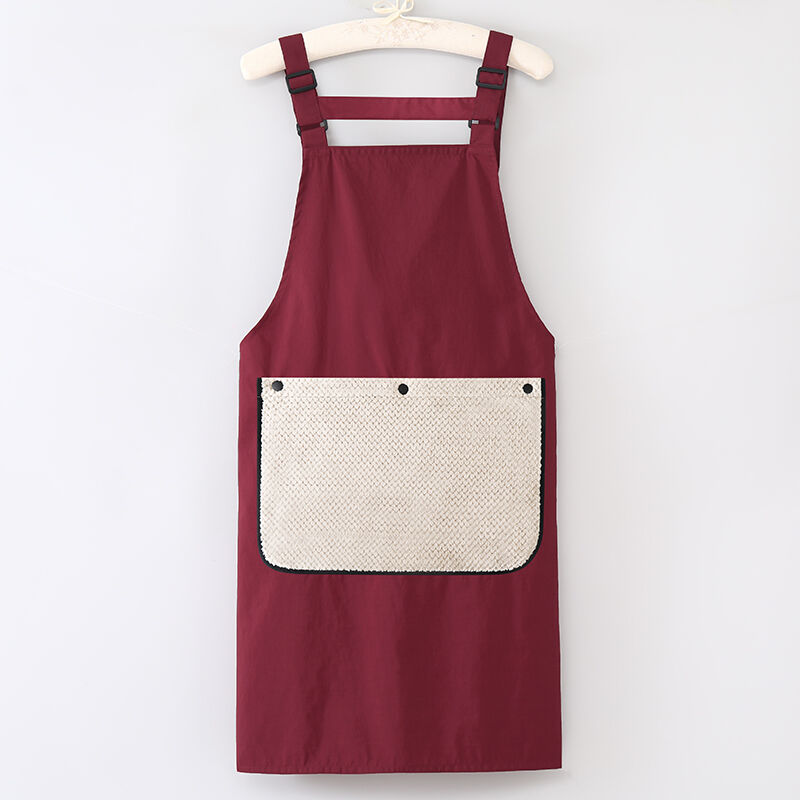
Lekka płótno vs dżinsy: porównanie grubości, gęstości przędzy i zdolności chłodzącej
Gęstość materiału jest jednym z najważniejszych czynników przy fartuchach letnich. Lekka płótno chłodzi ciało skuteczniej dzięki mniejszej liczbie nitek (od 150 do 200 nitek na cal), co zapewnia lepszą cyrkulację powietrza – o około 40 procent. Denim ma przędzę skośną, która – jak wykazano – zatrzymuje ciepło ciała, powodując średnio wzrost temperatury o 2,3 stopnia Fahrenheita po pół godzinie noszenia. Denim znacznie dłużej usuwa pot – czasem ponad 3 minuty – podczas gdy płótno usuwa pot średnio w czasie krótszym niż 90 sekund. Zarówno denim, jak i płótno są odporne na rozlanie płynów, a choć oba materiały wytrzymują intensywne warunki kuchenne, płótno lepiej reguluje temperaturę i chłodzi noszącego.
Stylowe fartuchy kuchenne zoptymalizowane pod kątem przepływu powietrza dla gorących kuchni
Styl crossback i styl smock: wbudowana wentylacja dzięki konstrukcji drapowania i szwów
Styl krzyżowy tego fartucha zmniejsza napięcie w okolicy szyi i umożliwia przepływ powietrza po górnej części pleców, gdzie uwalniana jest większość ciepła ciała. Jest to również cecha konstrukcyjna pasków na ramiona, która pomaga złagodzić obciążenie związane z wykonywaniem pracy przez dłuższy czas. Fartuchy w stylu smock działają nieco inaczej: dzięki konstrukcji zapewniającej pewną luźność wokół tułowia oraz ukosnym szwom powietrze jest lepiej zasysane i cyrkulowane niż w przypadku ściśle dopasowanego ubioru. Badanie opublikowane w zeszłorocznym numerze „Textile Comfort Journal” wykazało, że średnia temperatura ciała użytkownika fartucha w stylu krzyżowym była niższa średnio o 2–3 stopnie Fahrenheita w porównaniu do fartucha tradycyjnego. Ponadto, gdy te cechy konstrukcyjne są połączone z materiałami wykonanymi z mieszanki bawełny i lnu, uzyskuje się bardzo skuteczną konstrukcję odprowadzającą pot od obszarów najbardziej podatnych na nagrzewanie się, zapewniając przy tym wystarczającą ochronę przed rozlaniami i bryzgami.
Fartuszek vs. projekty z pełnym zakryciem: maksymalny komfort w obszarze szyi
Fartuszki typu bib są zaprojektowane tak, aby utrzymać materiał z dala od górnej części ciała, co zmniejsza zatrzymanie ciepła i eliminuje uczucie duszenia wywołane noszeniem modeli z pełnym zakryciem. Zapewniają jednak nadal ochronę klatki piersiowej. W przypadku sytuacji wiążących się z rozpryskami niektóre fartuszki z pełnym zakryciem wyposażone są w siatkowe panele po bokach oraz dodatkową przestrzeń pod pachami. Te przestrzenie wentylacyjne zapewniają około 95% ochrony przed rozlaniami, jednocześnie zwiększając przepływ powietrza o około 40% – zgodnie z raportem „Przegląd bezpieczeństwa w gastronomii 2023”. Krótsze tyły i luźniejsze sznurki do zawiązywania w talii mają na celu zapobieganie przegrzewaniu się oraz zachowanie skuteczności ochrony, jakiej te fartuszki mają zapewniać.
Cechy poprawiające zdolności chłodzące fartuszka kuchennego
Wzmocnione podpachwinowe zakładki i strategicznie umieszczone panele siatkowe zapewniające przepływ powietrza
Odporne na parę materiały działają najlepiej w gorących obszarach, gdzie potem się pocimy. Nowoczesne odzież robocza musi uwzględniać projekt i cechy umożliwiające przepływ powietrza w tych kluczowych obszarach. Obecnie wiele ubrań ma materiały siatkowe w obszarze pleców i pach. Te obszary muszą być wykonane z materiału wodoodpornego, aby chronić przed gorącymi cieczami i bryzgami. Zgodnie z badaniami przeprowadzonymi w zeszłym roku i opublikowanymi w „Textile Performance Journal”, w przypadku konstrukcji obszaru pachowego zastosowanie projektu tworzącego przestrzeń (kawernę) zwiększa przepływ powietrza o 40% w porównaniu do tradycyjnego płaskiego szwu. Gdy w obszarze pachowym zaprojektowano otwory wentylacyjne, efekt ten jest jeszcze bardziej wyraźny dla osób pracujących w warunkach bliskich temperaturze wrzenia i w środowisku pary. Obserwuje się widoczną redukcję ilości skrapiającego się potu, co zapewnia większy komfort i swobodę ruchów podczas pracy. Praca w kuchni nie jest łatwa i wymaga wielu godzin pracy.
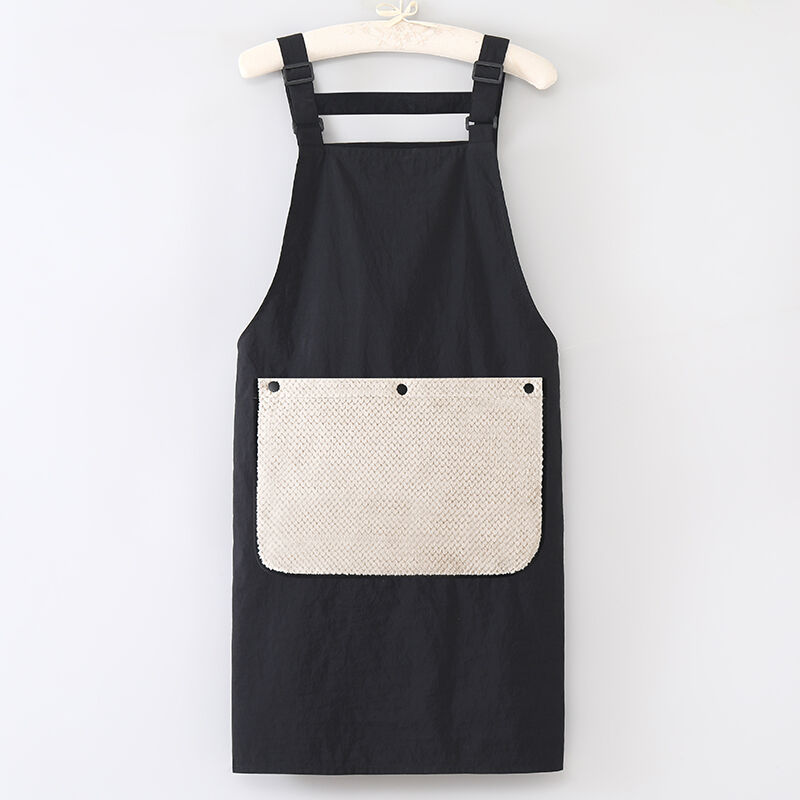
Jasne wykończenia i powłoki odbijające promieniowanie UV do zarządzania ciepłem
W zarządzaniu ciepłem odcień tkaniny może znacząco wpływać na temperaturę. Jasne tkaniny mogą być około 15 stopni chłodniejsze niż ciemne tkaniny. Dzieje się tak, ponieważ promieniowanie podczerwone jest pochłaniane i odbijane w większym stopniu niż inne kolory. Badania przeprowadzone w 2023 roku przez Instytut Komfortu Termicznego wykazały, że jasne kolory odbijają o 70% więcej promieniowania niż kolory ciemne. Istnieją także środki odbijające promieniowanie UV. Z powodzeniem stosuje się je, nanosząc na tkaninę ochronne warstwy ceramiki lub minerałów. Zastosowanie tej obróbki ma istotne znaczenie komercyjne w sytuacjach, gdy otoczenie może osiągać temperatury wyższe niż średnia temperatura otoczenia – np. podczas gotowania lub pracy przy maszynach przemysłowych na zewnątrz oraz okazjonalnie wtedy, gdy tkanina musi w pewnym sensie stać się odporna na czynniki atmosferyczne.
Sekcja FAQ
Dlaczego przepuszczalność powietrza jest ważna w letnim fartuchu kuchennym?
Przepuszczalność powietrza ma największe znaczenie, ponieważ zmniejsza ryzyko zatrzymywania ciepła i dyskomfortu, umożliwiając komfortową cyrkulację powietrza i pary wokół ciała.
Jakie tkaniny są najlepsze na przewiewne fartuchy kuchenne?
Do najbardziej odpowiednich tkanin na fartuchy kuchenne należą lniana, mieszanki bawełny i konopi oraz lekkie płótna, ponieważ lepiej odprowadzają wilgoć niż inne tkaniny i są bardziej przepuszczalne niż inne tkaniny.
W jaki sposób panele siatkowe zwiększają przewiewność fartucha?
Dodatkowo do innych warstw ochronnych panele siatkowe umieszczone na fartuchu w obszarach pach i górnej części pleców zapewniają cyrkulację powietrza, chłodząc najgorętsze miejsca.