
 EN
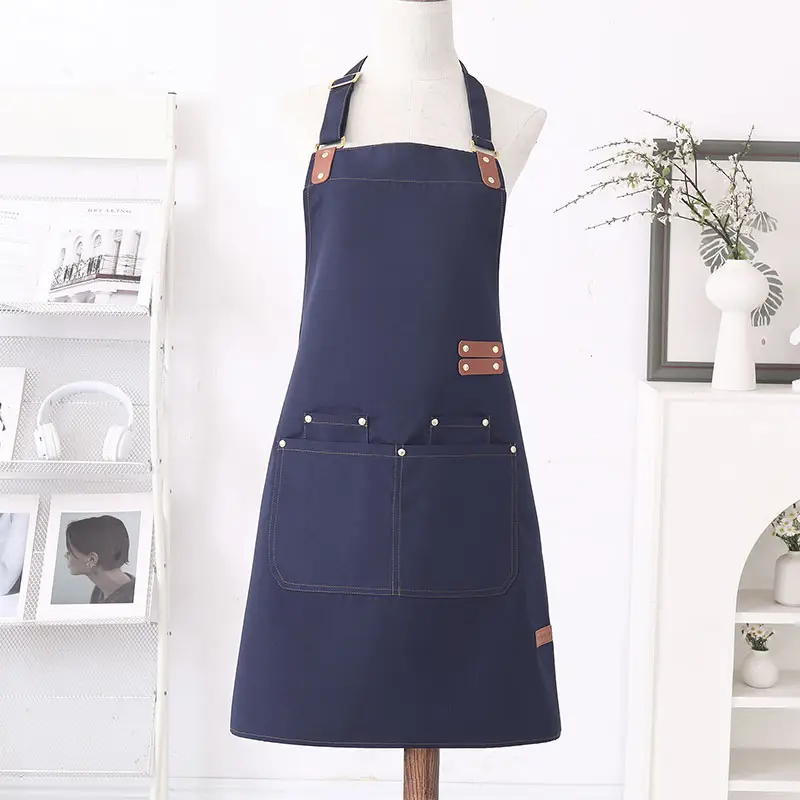
Material Science: Why PU-Coated Polyester Is the Optimal Choice for Waterproof Aprons
Tensile Strength and Flex Fatigue: PU’s Superior Long-Term Wear Resistance vs. PVC
A waterproof apron must endure constant stretching, bending, and friction without tearing or cracking. Tensile strength—the maximum stress a material withstands while being pulled—directly predicts resistance to punctures and tears during daily use. PU-coated polyester outperforms PVC in this metric: lab tests show a tensile strength of roughly 6,200 psi for PU, versus 2,800 psi for PVC (ASTM D412, 2023), making PU coatings over twice as strong under tension.
Flex fatigue resistance is equally critical for a garment that gets folded, rolled, and repeatedly creased. In standard de‑Mattia flex tests (1 mm pin), PU coatings survive over 120,000 cycles without surface cracks, while PVC begins to fail at around 35,000 cycles (Materials Performance Center, 2024). This longevity stems from PU’s elastomeric backbone, which lets polymer chains re‑orient under stress instead of fracturing. For kitchens or wet workshops—where constant movement stresses the coating—PU’s combination of high tensile strength and exceptional flex endurance delivers years of reliable, crack‑free protection that PVC cannot match.
Softness Metrics: Bend Radius, Shore A Hardness, and Real-Hand Feel in Waterproof Aprons
Softness in a waterproof apron isn’t a luxury; it governs drape and all-day comfort during extended wear. Three objective metrics quantify this subjective attribute:
- Bend radius – the smallest radius a material can be bent to without permanent deformation. PU coatings typically achieve a bend radius of 0.4 mm, while PVC requires about 1.0 mm (Textile Mechanics Lab, 2023), meaning PU contours to the body far more readily.
- Shore A hardness – a measure of surface resistance to indentation. PU’s rating of 60–70 A falls well below PVC’s 85–95 A, indicating a noticeably softer touch.
- Real‑hand feel – the integrated perception of pliability and surface friction. Because PU’s lower hardness and tighter bend radius allow the coated fabric to flex like a natural textile, users report a “broken‑in” softness from day one—unlike the stiff, board‑like sensation common with PVC aprons.
These metrics collectively explain why PU‑coated polyester delivers waterproof protection without compromising the drape and comfort professionals rely on.
Reinforced Construction: Durability Enhancements That Preserve Comfort in Waterproof Aprons
To ensure a waterproof apron withstands daily wear without sacrificing comfort, reinforced construction must target stress points precisely—adding durability where it matters most, while preserving softness and flexibility.
Double-Stitched Seams and Bar-Tacked Stress Points for Wet-Environment Longevity
Seam failure is the most common cause of premature breakdown in wet environments. Moisture, repeated tension, and flexing gradually weaken single-thread seams, leading to leaks and tears at critical moments. Double-stitched seams solve this by running two parallel lines of strong synthetic thread along all primary joins. This redundancy ensures continued integrity—even if abrasion or hydrostatic pressure compromises one stitch line. Bar‑tacking—a dense cluster of zigzag stitches—is added at pocket corners, tie attachment points, and other high-load zones. These reinforced nodes distribute force across a wider area, preventing fabric from ripping away from a single thread hole. Crucially, when executed on PU-coated polyester, both techniques maintain flexibility: thread tension and spacing are calibrated to preserve the apron’s natural drape, so it continues to bend with the wearer’s body through hundreds of wash-and-wear cycles.
Ergonomic Strap Systems and Reinforced Eyelets: Balancing Load Distribution and Soft Drape
A waterproof apron that feels heavy or digs into the neck will be abandoned quickly—no matter how protective it is. The solution lies in an ergonomic strap system designed to spread weight evenly. Wide, padded cross-back or adjustable neck straps keep the apron’s full weight off a single pressure point on the cervical spine, reducing fatigue during long shifts. Reinforced eyelets at every strap attachment are equally essential—these metal or high-density plastic rings are bar‑tacked into the fabric so constant tugging never pulls through the surrounding material. Without them, even the softest apron will eventually fray around tie holes, risking catastrophic failure. Because the eyelets are secured without rigid backing plates, the fabric retains its gentle drape under the arms and around the torso. The result is consistent, comfortable support that stays fully waterproof from first wear to last.
Layered Design Strategies: Achieving True Waterproof Integrity Without Stiffness
Coating vs. Laminated Membranes: Impact on Drape, Breathability, and Hand Feel in Waterproof Aprons
PU coating directly applied to a polyester base forms a seamless, flexible waterproof barrier that preserves the fabric’s natural drape. Unlike laminated membranes—typically bonded sheets of ePTFE or polyurethane film—the coating integrates with fibers rather than sitting as a separate layer. This integration yields a bend radius close to the uncoated textile and a Shore A hardness below 70, resulting in a soft hand feel prioritized by comfort-focused users. While laminated membranes offer measurable breathability via microporous structures, they inherently stiffen the apron due to added layer resistance to flex. The monolithic PU coating achieves waterproof integrity without the plastic-like hand of laminates—making it the superior choice where drape and tactile comfort are paramount.
Application-Driven Selection: Matching Your Waterproof Apron to Real-World Demands
Grilling, Food Service, and Industrial Wet Environments: Prioritizing Thermal + Moisture Resistance
Choosing the right waterproof apron means aligning material performance with real-world hazards. Grilling environments demand protection from radiant heat and hot grease—requiring aprons that withstand intermittent temperatures up to 200°C without deformation or melting. Silicone-coated or thick PU-coated polyester options provide both thermal resilience and oil repellency. In food service, continuous exposure to steam and frequent industrial laundering demands long-term softness; a Shore A hardness below 70 reliably indicates retained drape after hundreds of wash cycles. Industrial wet settings—such as chemical plants or food processing facilities—expose workers to corrosive fluids and mechanical abrasion. Here, prioritize aprons with high tensile strength (≥50 MPa) and verified chemical compatibility per ASTM D543 testing. Always confirm the apron’s specific temperature and chemical resistance ratings before deployment.
FAQ
What is PU coating? Polyurethane (PU) coating is a synthetic polymer applied to fabrics to provide a waterproof barrier. It integrates with the textile base, offering flexibility and durability.
Why is PU-coated polyester preferred over PVC for waterproof aprons? PU-coated polyester is preferred due to its superior tensile strength, flex fatigue resistance, softness, and ability to maintain drape and comfort compared to stiff PVC materials.
How does Shore A hardness affect apron comfort? Lower Shore A hardness ratings indicate softer materials. PU-coated aprons with a rating of 60–70 ensure better comfort and flexibility during extended wear than higher-rated PVC alternatives.
Are laminated membranes less comfortable than PU coatings? Laminated membranes often stiffen fabrics due to their added layer, making them less flexible. PU coatings integrate with the fibers, preserving softness and drape.
What type of reinforced construction improves apron durability? Double-stitched seams, bar-tacked stress points, and reinforced eyelets enhance durability by preventing seam failures and material fraying in high-wear zones.
What factors should I consider when choosing a waterproof apron? Match the apron’s material performance with specific hazards, such as thermal resistance, tensile strength, and chemical compatibility, depending on its intended environment.
Table of Contents
- Material Science: Why PU-Coated Polyester Is the Optimal Choice for Waterproof Aprons
- Reinforced Construction: Durability Enhancements That Preserve Comfort in Waterproof Aprons
- Layered Design Strategies: Achieving True Waterproof Integrity Without Stiffness
- Application-Driven Selection: Matching Your Waterproof Apron to Real-World Demands