
 EN
EN
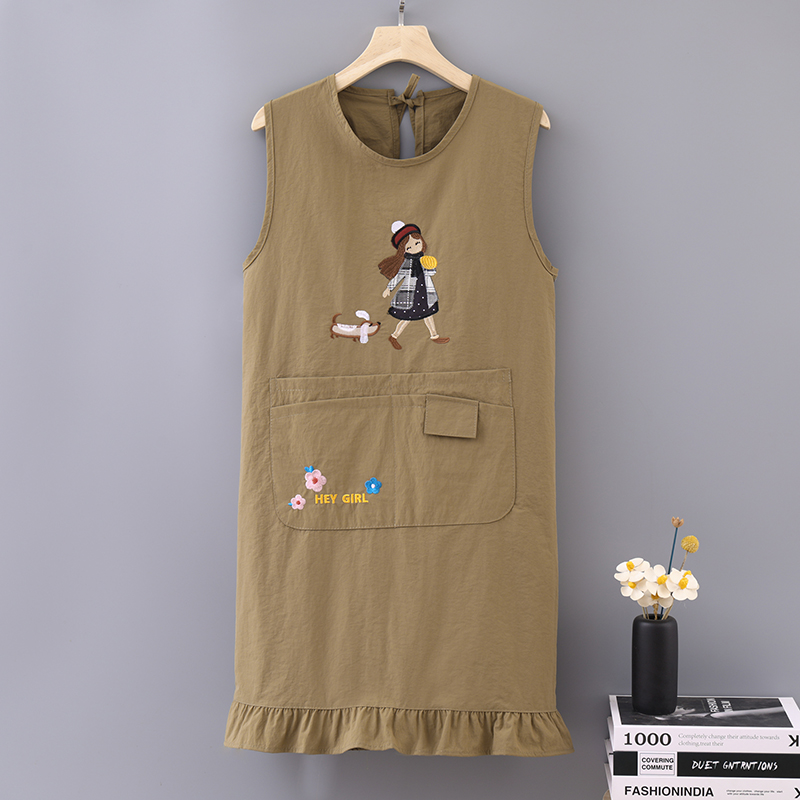
Wybór materiału: oddychalność i komfort
Bawełna, len i dżins: oddychalność – poza powierzchnią
Włókna naturalne składają się z tekstur, które zapewniają wygodę i przewiewność fartucha. Luźny spój cottonu umożliwia i sprzyja przewiewności oraz pochłanianiu wilgoci z ciała, zapewniając komfort podczas pracy wymagającej średniego zaangażowania fizycznego. Choć bawełna schnie stosunkowo wolno i może stwarzać uczucie wilgotności, jej miękkość oraz właściwości hypoalergiczne mogą minimalizować podrażnienia skóry, ból lub dyskomfort. Len może być lepszym wyborem w gorących środowiskach pracy niż bawełna. Puste włókna leniu tworzą kanały, które odprowadzają i pochłaniają pot z ciała oraz rozpraszają i ponownie wykorzystują ciepło ciała. Denim może zapewniać najlepszą trwałość przy jednoczesnej wygodzie użytkowania, dzięki gładkiej powierzchni, przewiewności oraz zapobieganiu przegrzewaniu się organizmu.
Komfort włókien naturalnych: równowaga między masą materiału a przewiewnością
Naturalne włókna zapewniają równowagę między masą a przepuszczalnością powietrza. Na przykład lekka tkanina z bawełny o gramaturze poniżej 6 uncji na jard kwadratowy (oz/yd²) może być lekka i przepuszczalna, ale może brakować jej wytrzymałości do wykonania przednich i tylnych kieszeni służących do przechowywania narzędzi w trakcie pracy. Z drugiej strony tkanina średniej gramatury z bawełny o wadze od 7 do 9 uncji na jard kwadratowy (oz/yd²) nadaje się do tego zastosowania bez utraty przepuszczalności powietrza i komfortu. Tkanina o wysokiej gęstości o gramaturze 10 uncji na jard kwadratowy (oz/yd²) lub wyższej, np. dżinsy, może absorbować ciepło i zwiększać metabolizm organizmu. Stwierdzono również, że najbezpieczniejszym i najbardziej komfortowym rozwiązaniem do zawieszania narzędzi przy ciele podczas pracy jest stosowanie tkanin średniej gramatury wykonanych z naturalnych włókien.
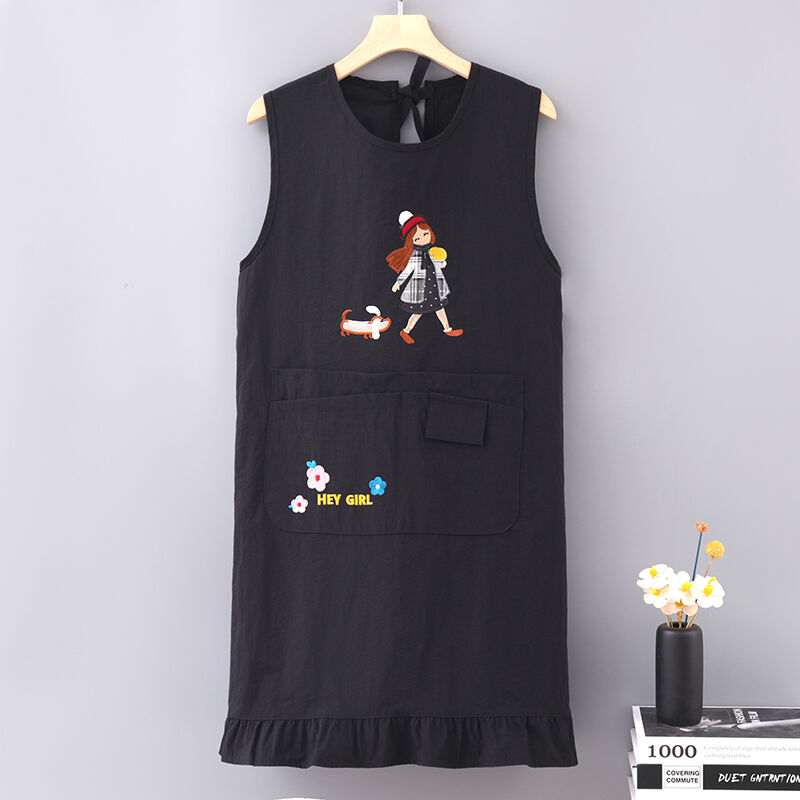
Sposoby, w jakie zmiany w projektowaniu łagodzą ból barków i poprawiają postawę
Równowaga zmęczenia: Czy Twoja pasja do gotowania staje się wyczerpująca? Rozkład ciężaru w ergonomicznym fartuchu bezpośrednio wpływa na Twoje zmęczenie. Dzięki równomiernemu rozłożeniu ciężaru na ramionach, modele z krzyżowym oparciem zapewniają około 40% redukcję obciążenia szyi i mięśnia czworobocznego, a tym samym zmęczenia szyi, w porównaniu z fartuchami z jednym ramieniem. Eliminacja wiązania na ramionach jest osiągnięta dzięki systemom owijania, składającym się z paneli o anatomicznym kształcie, które dopasowują się do naturalnej krzywizny ramion i podążają za nimi. Zapobiega to otarciom i narastaniu nacisku podczas pracy barmańskiej i przygotowywania posiłków. Jeśli chodzi o wsparcie szyi, wyściełane paski i siateczkowa podszewka w modelu z krzyżowym oparciem zapewniają elastyczność i trwałe trzymanie. Jest to szczególnie korzystne w wilgotnych kuchniach i obszarach obsługi. Rozwiązanie to rozwiązuje główny problem: nieprawidłowe rozłożenie ciężaru. Spośród pracowników branży hotelarskiej, którzy noszą fartuchy przez ponad sześć godzin i dłużej, 78% zgłasza przewlekły ból ramion.
Regulowalność paska talii i elastyczność rozmiarowa do noszenia warstwowego oraz dynamicznego ruchu
Ergonomiczny fartuch nie tylko musi dobrze przylegać — musi się też dostosowywać. Paski talii regulowane w pionie w zakresie 18–24 cali pozwalają na swobodne pochylanie się i sięganie bez ograniczeń. Boczne panelki o dynamicznej rozciągliwości zapewniają stałe przykrycie podczas ruchu — szczególnie istotne dla personelu kuchennego szybko przełączającego się między strefami o różnej temperaturze. Ślizgające się zatrzaski utrzymują swoje położenie nawet podczas intensywnej pracy, eliminując konieczność ponownej regulacji fartucha. Ta elastyczność jest kluczowa przy zmianach pór roku: fartuch musi luźno siedzieć zimą, ale ciasno latem — bez nadmiernego zgrubienia. Brak możliwości regulacji powodował u użytkowników tzw. „efekt kamizelki”, aż 63 % ankietowanych zgłaszało uczucie ucisku wynikające z dyskomfortu termicznego pogarszanego sztywnością materiału.
Bezpieczne, niestresujące zapięcia oraz cechy konstrukcyjne zapewniające komfort
Zapięcia typu shrug, kubełkowe i klipsowe: jak zamykać bez bólu w stawach i czerwonych miejscach
Elementy zapięciowe, takie jak klamry, guziki i zatrzaski typu velcro, muszą zapewniać komfort i możliwość regulacji, szczególnie przy długotrwałym użytkowaniu. Regulowane klamry muszą być połączone z paskami i elementami metalowymi, które nie będą wciskać się w ciało podczas ruchu. Guziki umożliwiają również ulgę w nacisku, ale wymagają odpowiedniego rozmieszczenia, aby uniknąć punktów nadmiernego nacisku – można to osiągnąć, umieszczając je wzdłuż naturalnych krzywizn ciała. Zatrzaski typu velcro oferują także mikroregulację niezbędną przy warstwowym ubiorze, lecz wymagają regularnej wymiany, aby zachować skuteczność zapięcia. W każdym przypadku elementy zapięciowe muszą być wbudowane w miękką i elastyczną taśmę, aby utrzymać odpowiedni nacisk i trwałą elastyczność. Jest to szczególnie istotne w przypadku fartuszy dla personelu, ponieważ ten rodzaj odzieży noszony jest stale, a nie okresowo.
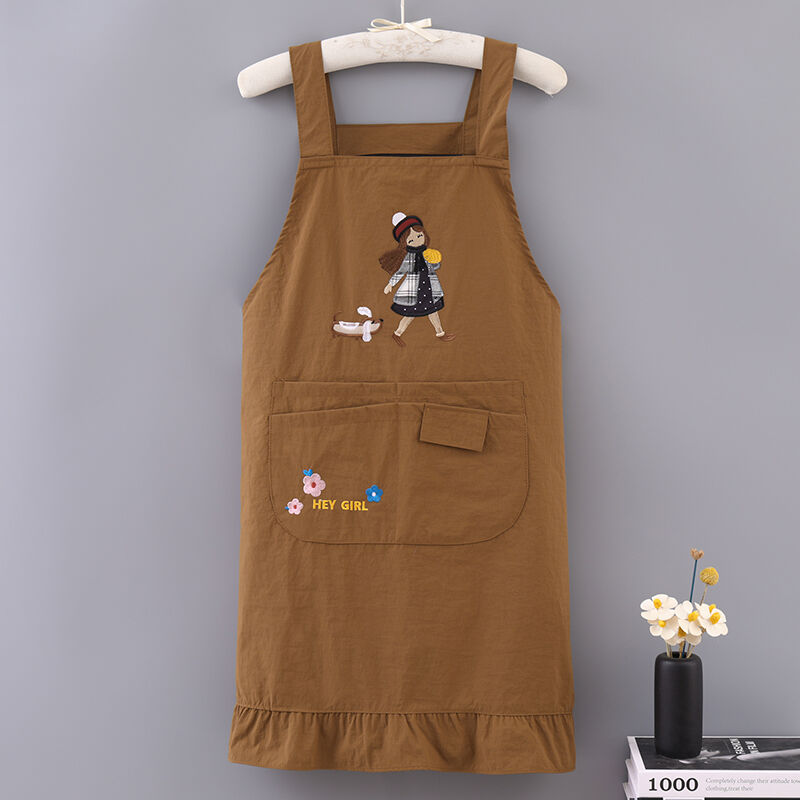
Elementy projektowe zapewniające komfort fizyczny w trakcie użytkowania
Funkcjonalny projekt kieszeni, pętelki na ręczniki oraz ergonomicznie umieszczone wzmocnione szwy
Przemyślany projekt zapewnia komfort. Narzędzia, którymi często się posługuje, są zaprojektowane tak, aby znajdowały się na wysokości bioder w kieszeniach, a nie na wysokości piersi lub wyżej – dzięki temu narzędzie jest zawsze pod ręką, środek ciężkości ciała jest bardziej równomiernie zrównoważony, podobnie jak obciążenie barków, górnej części pleców i szyi. Pętelki umieszczone poziomo lub bocznie w projekcie umożliwiają jednoręczny dostęp do ręczników lub chusteczek. Zadania wymagające częstego wycierania powodują znaczne, powtarzające się obciążenie organizmu. Szwy bar tack (wzmocnione szwy) zapobiegają rozciąganiu się materiału szwu oraz uszkodzeniu szwów. Zmęczenie spowodowane napięciem powstaje w wyniku nadmiernego napinania struktury tkaniny i prowadzi do zmęczenia mięśni. Efektywnie i wygodnie strategicznie umieszczone elementy konstrukcyjne rozdzielają ciężar fartucha w sposób bardziej bezpieczny i zrównoważony pod względem biomechanicznym. W porównaniu do typowych projektów, strategicznie umieszczone i wzmocnione rozwiązania zmniejszają o zadziwiające 30% odczuwalne obciążenie fizyczne użytkownika.
Wspólne zainteresowania i pytania
Jaki jest najlepszy materiał na fartuch?
Klasycznymi materiałami zapewniającymi komfort są np. bawełna i jej mieszanki. Są one dobrane z uwzględnieniem wrażliwości skóry oraz przepuszczalności powietrza, bez rezygnacji z wytrzymałości.
Jakie jest oddziaływanie masy materiału na komfort?
Lekkie materiały (niezbyt prześwietlające) zapewniają przepuszczalność powietrza. Materiały o innej masie powodują upał podobny do piekarnika oraz wynikającą z tego zmęczenie spowodowane stresem termicznym, co prowadzi do znacznego dyskomfortu i poczucia ciężkości materiału.
Jaki jest najlepszy ergonomiczny projekt fartucha?
Projekty obejmujące całe ciało oraz zapinane za plecami są szczególnie dobre pod względem komfortu, ponieważ wspierają bardziej wyprostowaną postawę ciała i jednocześnie eliminują dyskomfort w obszarze ramion.
Jaka cecha projektu zapewnia największą łatwość użytkowania?
Aby zmniejszyć obciążenie fizyczne, ból, zmęczenie i dyskomfort, najlepsze są funkcjonalne cechy projektu, takie jak regulowane sznurki w talii, wygodnie umieszczone kieszenie, uchwyty i wzmocnione szwy.
Zapiątki muszą uwzględniać zarówno bezpieczeństwo, jak i komfort.
Zatrzaski, guziki i zapięcia typu „rzep” zapewniające szybkie i regulowane dopasowanie. Powinny one również minimalizować widoczne punkty nacisku oraz być bezpieczne dla skóry.