
 EN
EN
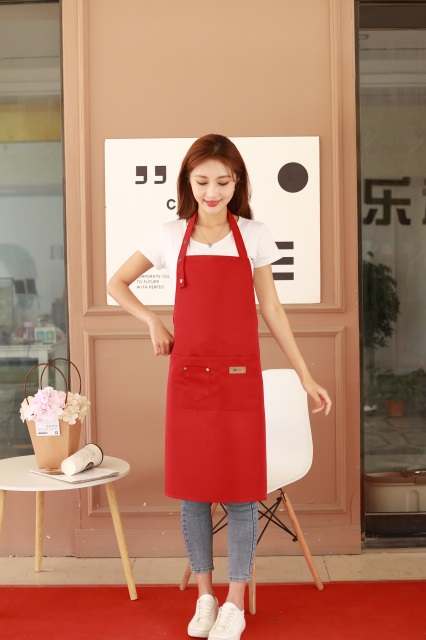
Title: Safe Solutions for Home Baking Risks
Bakewear with spill protections: given the varied and opposing work challenges posed by flour, oil, and oven heat
Home bakers require protective clothing featuring heat-resistive protection, and flour particle and oil splatter repellency, without trapping internal heat from our bodies. Tightly woven fabrics like cotton canvas work better for blocking flour, while polyester-cotton blends help liquid beading and rolling. Really, it is the breathability that is key for oven work. Fabrics that are more permeable reduce heat stress 30\% with time. Added technologies have made it easier to attain this. Old-school style vinyl is out, and paper-like fabrics are in pliability and washability. Look for fabrics with PWR (permanent water repellency) that are fully breathable.
Optimal coverage and protective design: bib style vs. waist length cooking apron style for kneading, oven transfers, and mixing
Kneading and oven transfers call for bib style as they have finished leg coverage, while other less vigorous tasks may call for waist length as they allow for the most mobility. However, when working with flour-based batters and mixing, bib styles are likely the more protective and functional choice. Design-wise, neck straps that are adjustable help to keep it in place as well as the design (including the stylistically, of course, back) assist in unrestricted movements when working with hot, heavy, or sticky items.
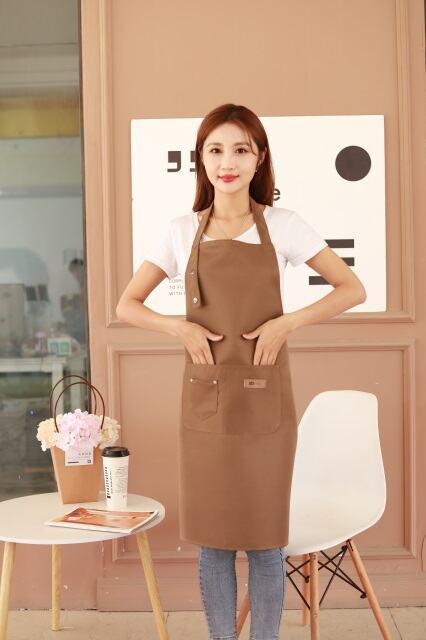
Storage Options Designed for Baking Accessories
Functional pocket types: individual compartments for scrapers, timers, and rolling pins in a home baking cooking apron
Crafted pockets are designed to transform aprons from simple dust collecters to an active role in the baking process. Pockets with dividers stop cross-contamination from sticky scrapers to a clean utensil, and keeps the user organized for time-sensitive tasks like proofing or icing. There is a zippered thermal pocket that keeps timers from being dusted with flour during dough prep, and tool slots that are secured and angled for rolling pins. Research shows that bakers save 18 seconds per task when their tools are organized (Culinary Efficiency Journal, 2023). This is why frequent home bakers need compartments that are specialized. The best cooking aprons have:
Reinforced pockets that are not sagging for heavy scrapers
Waterproof lining for timers
Expandable for rolling pins
Magnetic closures for easy access when flour dusted
Ergonomic pocket design to vertical for countertop work and horizontal for oven access
The design and placement of pockets impact safety and efficiency. Tools laid along the ribcage for vertical design remain standing and in sight for countertop work like kneading, and for decorating reduce bending. Waist-level to horizontal design allows more control when grabbing a timer or thermometer while leaning over the oven. According to ergonomic research in 2023, horizontal designs resulted in a 62% reduction in oven contact when baking from the chest area compared to the horizontal. For the best workflow:
Place pockets for scrapers towards the dominant-side hip to the mixing
To keep the weight balanced, slots are angled towards the back
To ensure even heat distribution, use breathable mesh backing on all pockets
All-Day Comfort and Universal Fit for Home Bakers
For home bakers who spend innumerable hours mixing, kneading, and decorating, the fit and comfort of an apron transforms it from merely a protective garment to a must-have in any kitchen. Designed to be cool and lightweight, the breathable fabric makes these aprons a joy to wear, unlike other protective garments that make the user feel like they are in an oven. Fabrics that have a blend of cotton and polyester allow for maximum flexibility, especially when it comes to bending, reaching for things on high shelves and even when you're at the kitchen island. An adjustable neck strap and ties that wrap around the back help to fit the apron to a wide variety of body shapes so it doesn't become a hindrance to movement during fipportant activities like rolling dough and transferring pans that have just come out of the oven. The wide, padded shoulder straps help to prevent pressure points on the neck from hanging the apron too low. Ergonomics of a kitchen are always focused on reducing the daily wear and tear on the body that comes from cooking and baking. This apron comfortably fits the widest variety users. No more disruptive adjustments to break your baking rhythm.
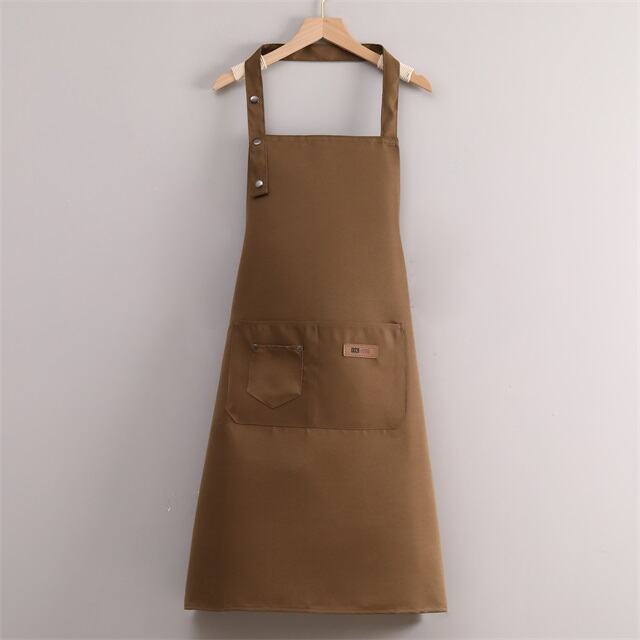
Durable, Low-Maintenance Fabrics for Frequent Home Use
Cotton vs Cotton Blend
Both cotton twill and polyester-cotton blend fabrics are great options for baker's use, but one will serve your purposes more than the other. Cotton twill fabric is more breathable and more absorbent (good for dry flour), but will shrink up to 5% after multiple washes, unless pre-treated. Polyester blends are your go-to if spills and messes are your concern. The synthetic fibers are not only repellent to oils, but also to food coloring, and blends are machine washable for more than 50 cycle without discoloration, and will not shrink - even if you machine dry it weekly. These textiles are recognized as the industry standard, and will retain far more (30% more) of their tensile strength than cotton twill after 100 washes. This means far more resilience for your home machine flour use. Cotton fabrics soften nicely, but blends are more and more used as the standard for longevity for fabrics that are aprons used for daily splatter without special washing.
FREQUENTLY ASKED QUESTIONS
What are the benefits of using breathable fabrics for home baking aprons?
The breathable fabrics are the best use aprons for home baking, as these fabrics are 30% cooler and reduce overheating and heat stress, making them ideal for use near hot ovens for a long time.
What is the rationale for bib aprons versus waist aprons for baking?
For baking, bib aprons are the best choice, as they cover and protect your torso and even legs from flour and/oil splatters and protect you from burns during oven transfers.
How do the pocket designs and placement of aprons impact baking?
Smart apron designs that have pockets help oven baking take up less of your time and help save time by offering your tools and utensils at your finger tips, and from cross-contamination.
What is the difference: Cotton Twill versus Polyester-Cotton Blends?
Because Cotton Twill is fully made of natural materials, it breathes better, however, it is at risk of shrinkage over time. Meanwhile, Polyester-Cotton Blends are better for the opposite reason. They do not shrink over time, and are better at repelling oils and retaining color through multiple washes.