
 EN
EN
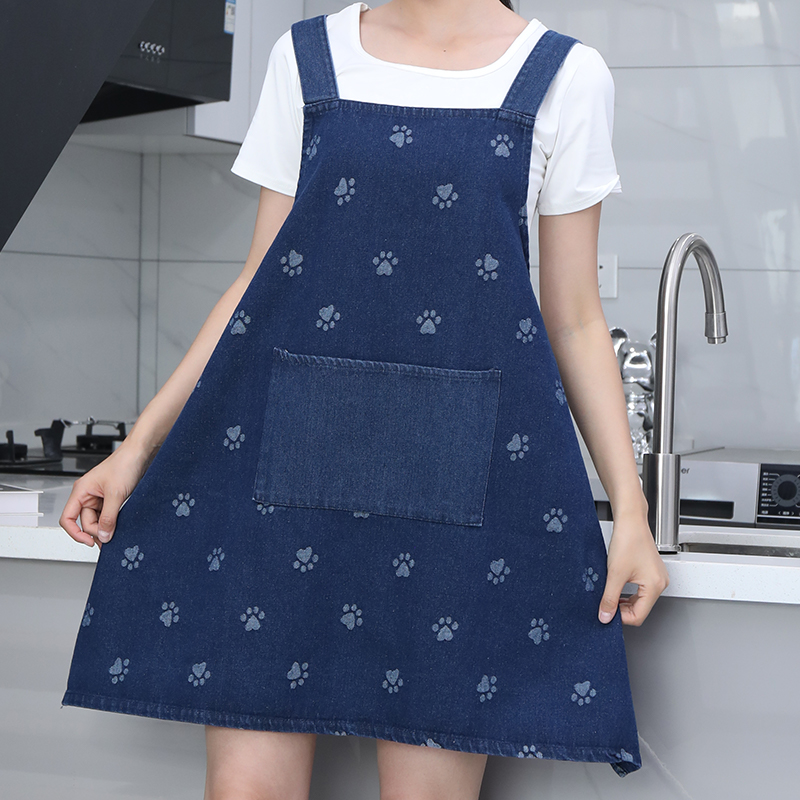
Denim Aprons: Stylish & Durable Choice for Chefs
Denim is a top choice for double-duty workwear like chefs’ aprons because they are both functional and stylish. While other fabrics are made from oil, good quality denim is made from cotton, making it spill-resistant, as well as comfortable and breathable. Denim is stiff and fades over time, and most chefs prefer materials that patinate, like denim. Compare denim’s price with its investment value and denim trumps all other materials, especially when denim is efficient with time and still looks good after industrial washes, as it is elastic, and doesn’t wrinkle. Denim’s industrial washing capabilities allow chefs to move to attending customers with the same apron, and denim’s cross-back construction allows for weight disbursement no other fabric can compare to. When 62% of chefs are working over 8 hours a day, denim really is the only material that can provide both comfort and style as a workwear fabric.
Denim’s organic cotton materials and plant based dyes really allow those who are younger in the chef industry who are ranked at 67%, to have a choice in kitchenwear that also gives them a more eco-friendly option. For this reason, denim aprons are still at the top choice of material to use when crafing workwear for chefs.
Cross-Back Design: Why it Works, Why it Lasts
Biomechanics Practicality of Heavy-Duty Denim Aprons with Cross-Back Straps
Cross-back straps work by evenly distributing the weight, which is particularly useful in heavyweight denim aprons. Denim’s natural weave and fabric density increase vertical load on the wearer. Cross-back aprons provide balance by redistributing force evenly, providing a significant decrease of 40% in muscle fatigue. An additional consideration of comfort in apron design is the natural rotation of the shoulder. From prep to serving, the diagonal criss-cross of the apron ease the burden, and allow the wearer to freely and quickly move their arm.
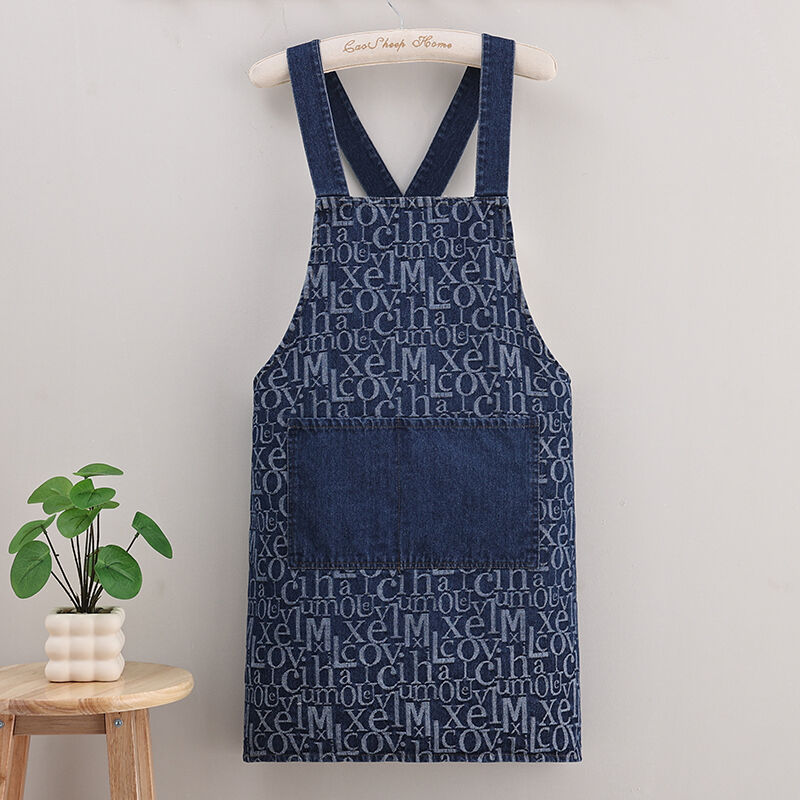
Adjustable Cross-Back Design: Guaranteed Adaptability
Vertical customization not only eliminates wast gaps (the gap of the apron that doesn’t touch the body) but also provides the wearer with uninterrupted blood flow to the trapezius. Tension control (distributing the weight of the apron evenly across the shoulder) prevents the wearer from experiencing a pinched nerve. These two considerations drastically reduce the likelihood of stiffness. The crisscross feature stabilizes itself, in conjunction with denim’s natural weave, rigidity, and flexibility, provide the wearer with an uninterrupted workflow.
T he denim apron should include some utility features.
Smart Pocket Layouts: Utility, Accessibility, & Aesthetic Clean
Think strategically when planning your pocket layout. Unused pockets cause fabric bulging and take away from the apron’s streamline silhouette. The pockets are designed for easy access and to reduce shoulder strain from reaching pockets.
Durable Construction: 12–14 oz Denim, Triple-Stitched Seams, and Fade-Resistant Finishes
12-14 oz is the ideal denim weight, when looking for denim’s durability. The pockets on the apron are reinforced triple-stitched construction, as well as the strap anchors. These withstand more tension and stress. The apron fabric is fade resistant and will keep its color for greater than 50 washes. Kitchens replace heavy denim aprons less than 1/3 washes. 67% of kitchens replaced aprons less than 1/3 of the time when using a heavy denim apron.
Key Indicators of Durability
Quickly developing toward denim aprons that use kinder materials and processes, the apron industry is optimizing the use of organic denim, which eliminates the use of pesticides and grows denim in 91% less water compared to conventional cotton. Linen and cotton blends are becoming more popular in aprons as they are more comfortable and drapable, thermal regulation being a necessity in the kitchen. Low-impact dyes have replaced the old dyes, as they are responsible for an 80% reduction in water pollution while still achieving the most stringent standards in colorfastness. Leading apron makers have closed-loop dye systems which control 95% of wastewater recycling and biodegradable fibers and recyclable hardware.
Frequently Asked Questions
What are the benefits of denim aprons for chefs?
Denim aprons are breathable, durable, and resist spilling which is beneficial for all lengths and intensities of work that goes on in the kitchen. They also develop a patina over time and even acquire an aesthetic of their own.
Why are cross-back aprons better?
Equal distribution of weight across the shoulders makes cross-back design aprons less tiring. It also eliminates the burden of weight on your neck which helps chefs remain comfortable even during lengthy shifts.
Are denim aprons good for the environment?
Denim aprons that are good for the environment incorporate organic cotton, linen blended materials, and low-impact dyes, which not only reduce water pollution and consumption but also make the product biodegradable and recyclable.
In what ways do denim aprons enhance efficiency?
Denim aprons are designed with practicality and style in mind with such features as angled tool slots, discreet pockets, and durability.
What are the characteristics of sustainable denim aprons?
Sustainable denim aprons reduce the environmental footprint and embrace modern eco-friendly values. They employ the use of organic fibers, plant-based dye and closed loop dyes.