
 EN
EN
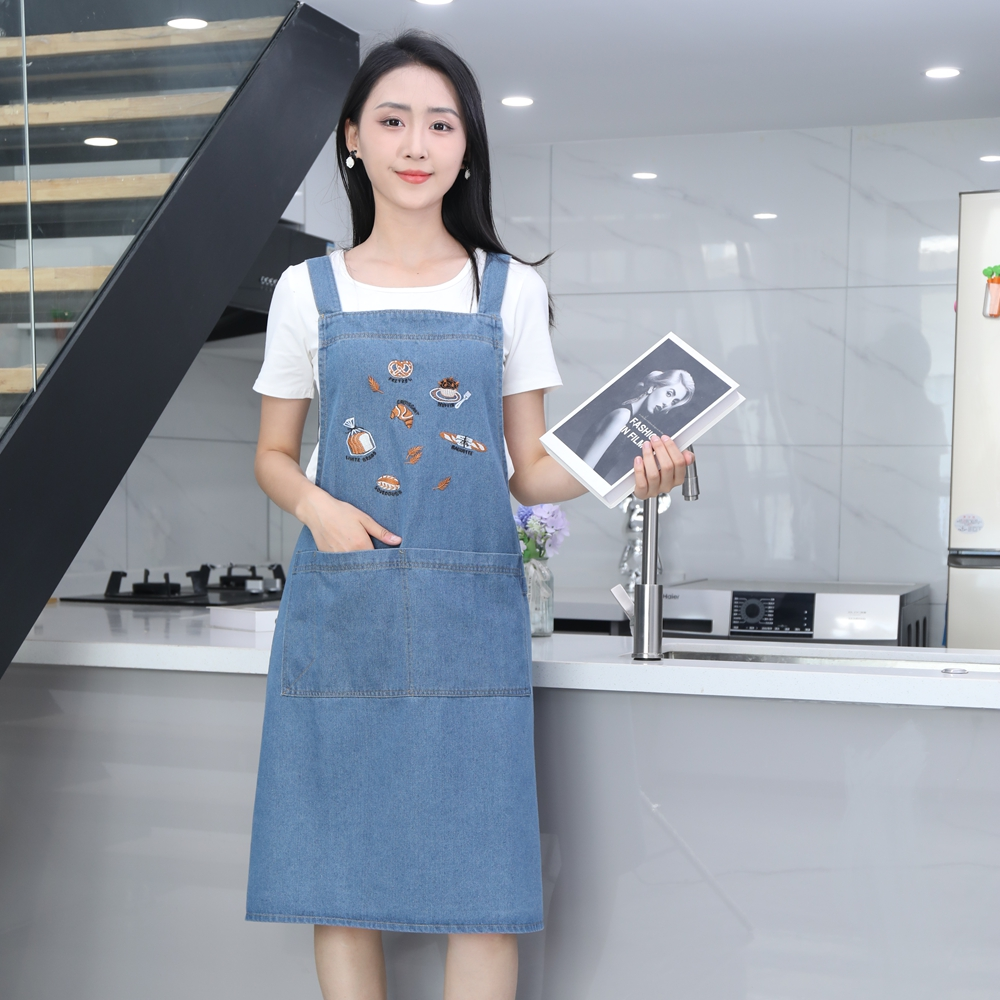
Bib Kitchen Aprons: Lasting Coverage and Lasting Value
The Reasons Why Bib Aprons Are the Best
At a given kitchen environment, a chef is exposed to the worst of the worst while cooking, from boiling liquids, to food acids, and oils that can easily cause the chef to be burned. Bib-style aprons offer the best, and have the most coverage, best full-length protection to a given chef, helping to cover the chef from the short collarbone to just above the mid-thigh. In fact, a recent report in the latest Hospitality Safety Report 2022 found that full-length aprons / bibs cover uniform damage statistically around 45% better than waist-length aprons. Added benefits of the bib aprons include the regulation of kitchen hygiene, the presence of pockets to store kitchen tools, and most importantly the cross-back adjustable straps that make soreness in the neck from the carrying of the aprons impossible.
It’s no accident that approximately 88 percent of Michelin-starred kitchens have bib aprons as one of their standard requirements.
Design Innovations: Reinforced Stitching, Adjustable Straps, and Trendy Fabric
Today’s bib aprons offer a combination of modern style and long-lasting utility due to three specific innovations:
Reinforced stitching: Double-needle construction at stress points like pocket seams and strap anchors, provides a 40% increase in lifespan and resistance to fraying caused by commercial washing.
Adjustable straps: Ergonomic cross-back designs with sliding buckles fit a wider range of body shapes, while suspender style buckles help redistribute the weight and improve comfort during long shifts.
Trendy fabrics: Eco-friendly fabrics, like organic hemp and recycled denim, offer chef quality durability in addition to interesting textures. Water-resistant and breathable fabrics repel stains while also providing a selection of non-commercial looking patterns, from bold florals to minimalist herringbone.
These innovations provide evidence that in modern kitchens, performance and polish are no longer mutually exclusive.
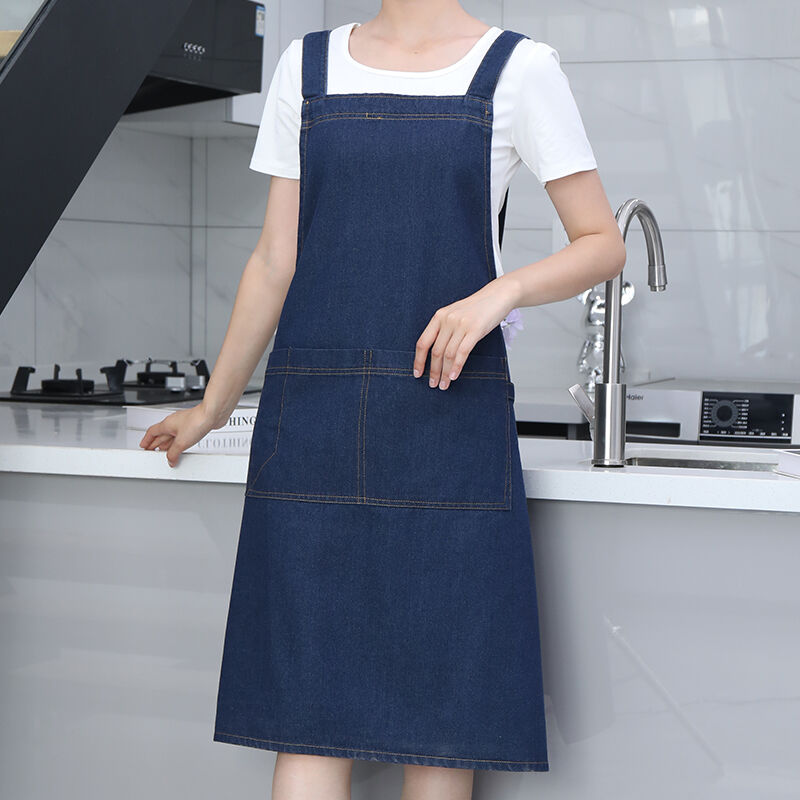
Cross-Back and Bistro Kitchen Aprons: Ergonomic Design for All-Day Comfort
How Cross-Back Construction Reduces Shoulder Fatigue Without Losing Fashion
The kitchen aprons with cross-back designs relieve pressure on the neck by redistributing the weight to the upper back rather than to the neck bones. Ergonomic studies suggest kitchen aprons with cross-back straps can significantly reduce muscle fatigue while working in the kitchen for long hours. Cross-back straps are designed to pull more freely which aids in greater mobility when cooking and in particular, when twisting, reaching for things in high cabinets, or bending to grab items. In the kitchen, modern aprons come with fully adjustable straps, are made with more elegant and breathable organic cotton, and contain metal buckles for a more polished and robust look. Further, designers have improved the comfort and look of aprons by adding hidden seams in various design configurations to allow for a flattering non-bulky look, and more generous tailoring to accommodate a range of different body types.
Bistro Aprons Offer a Lightweight and Stylish Option for FoH and Casual Kitchen Use
Bistro aprons are practical as they cut down on the waist and hip down coverage, and they are extremely lightweight at about 10 ounces and less. Due to the design, they do not trap heat, making them ideal for back counter roles, such as baristas, waitstaff, and even home kitchen cooks. Most have cross-back and wrap tie styles, which allows for free range and fluid arm movement, be it for dish service, tray carrying, or multi-role tasking. Restos appreciate the little nuances, such as softer linen, subtler embroidery logos, and toned down panels and colorways that blend with their uniforms instead of creating extra layers. With shorter aprons, they are reported to be laundered about 30% less than their longer counterparts. Plus easy snap closures and Tencel fabric which is stain resistant, all aid in creating a neat and practical kitchen wear aesthetic.
Sustainable Materials for the Modern Kitchen Apron
Denim, Hemp, and Deadstock Fabrics: A Combination of Chef-Grade Durability and Eco-Friendly Design
Some of the best kitchen aprons on the market are made from materials that are both industry standard and sustainable. Heavy duty denim withstands heat and improves in appearance with age. Organically grown hemp is cooled and is more comfortable than cotton and requires less than half the amount of water to cultivate. A growing number of makers are utilizing deadstock fabric, which is the leftover fabric from clothing production that would otherwise be disposed of. This provides new textures and patterns on the aprons without the consumption of virgin resources. Savvy makers know materials perform best, so they triple stitch the areas that will be most stressed when sewing with these eco fabrics. The outcome of these materials is durability equivalent to that of standard polyester aprons that are less sustainable. When considering the environmental impacts of these materials, one must remember the statistics: recycling one kilogram of textiles saves over 8,000 liters of water when compared to the process of making new textile materials. So, yes, chefs can have high performance gear and a low environmental footprint.
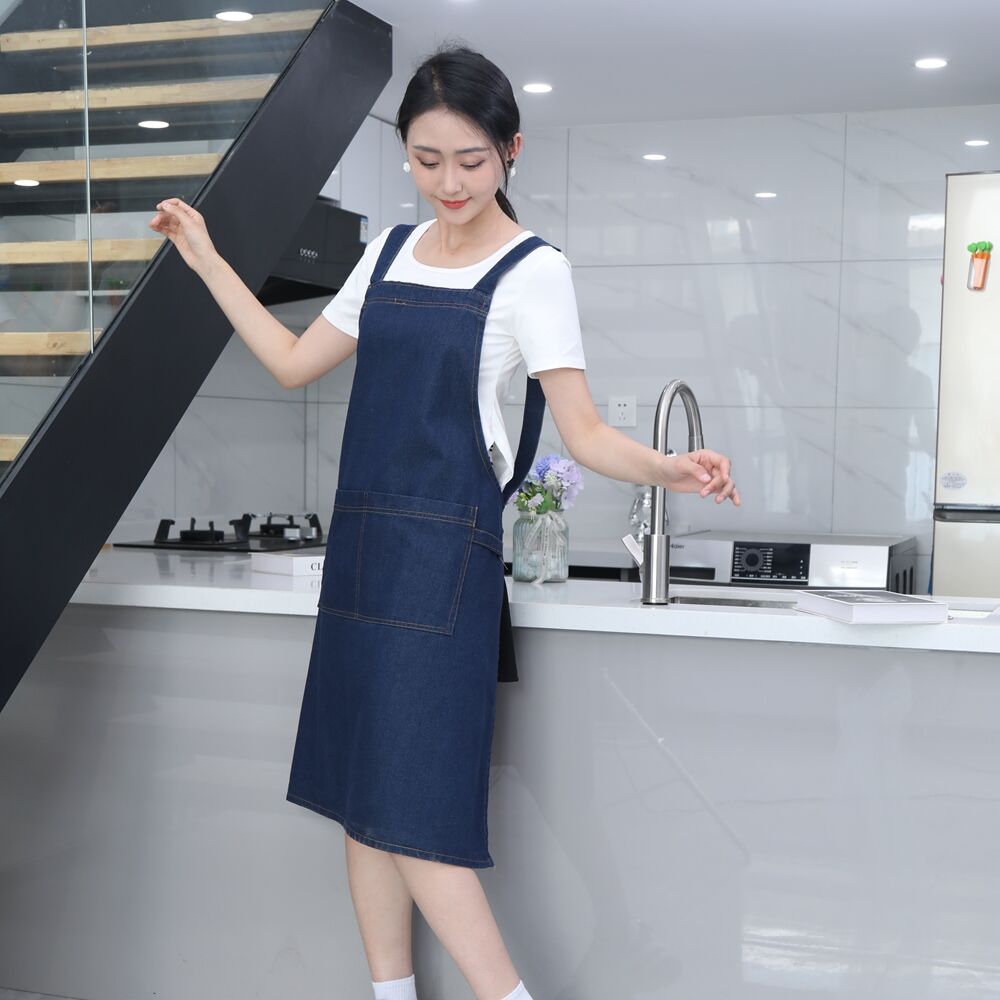
Finding the Best Kitchen Apron: Style, Function, and Workflow Integration
Finding the best kitchen apron comes down to selecting the right style for the setting and for the kind of protection needed. Consider, for example, professional chefs who are likely to get daily splatters and need multi-pocket bib aprons to protect them from getting hit during service. Most chefs, on the other hand, go for cross back aprons or waist aprons to allow them to move unrestricted and work without the burden of an apron. These are only basic considerations that go into an apron designed for the work demands of a kitchen setting.
Fabric: For cooking that produces high heat and a lot of splattering, durable and stain resistant materials are necessary, such as waxed cotton or heavy duty denim.
Aprons: For functions that involve a lot of movement and require the person to walk around from one service position to another, light and waist bib aprons are good. For stationary services such as dishwashing or replenishing service, aprons with big pockets are ideal.
Kitchen Appearance: Front-of-house teams will benefit from the professional look of bistro style aprons in linen or patterned cotton.
Length of Wear: Shifts that extend for long hours require differing adjustable strap design, also naturally breathable fiber like organic hemp, plus ergonomic construction.
Efficiency of workflow helps determine optimal selection; bakers need tool accessible bibs, while catering staff require compact silhouettes that are easy to maneuver in a crowd. Always pair the weight and finish of the fabric to the thermal profile and hazard levels of your kitchen— the right apron combines safety with professionalism.
Frequently Asked Questions.
Why are bib kitchen aprons the favored choice for chefs?
The bib apron provides full coverage, helping to protect the entire outfit from damage while also fostering hygienic standards in the kitchen. Bibs have cross-back straps, plus a number of pockets to support the varied roles of the chef.
What is the difference between bistro aprons and kitchen aprons?
Bistro aprons are less bulky and cover only from waist to hips, making them ideal in fast and informal kitchen settings. They provide unimpeded movement and are often more cut stylish for the front of house.
Why is it important to use sustainable materials for kitchen aprons?
With jute, denim, and deadstock fabrics being upcycled, the use of sustainable materials is less harmful to the environment. It is a responsible choice for contemporary kitchens, reducing water usage, and conserving wasted fabrics from a factory floor.
How are you supposed to choose the best kitchen apron?
Selection of the best apron for the job depends on the type of cooking tasks required, amount of movement required, the look of the surrounding environment, and the length of time the apron will be worn. Due to the great variety available for factors like the type of fabric, construction of the apron, and the presence of ergonomic features, it is best to customize your choice to your individual work flow.