 EN
EN
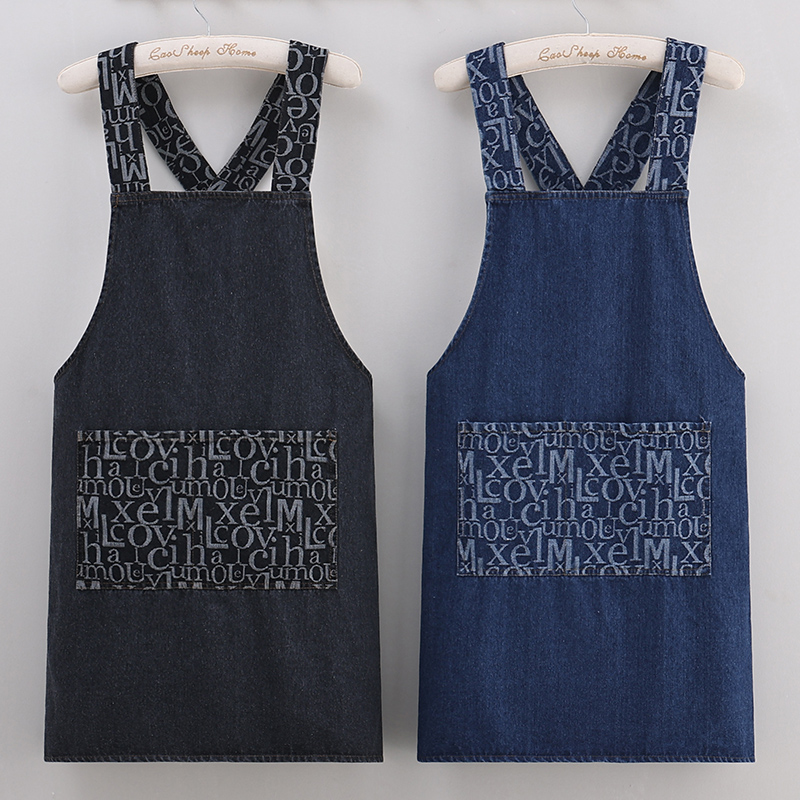
Key Raw Materials: Heavyweight Natural Fabrics Such As Cotton Canvas, Twill, and Denim, Provide Base Durability
Cotton Canvas (8-10 oz): Provides Structural Stiffness and Resists Damage From Impacts During Service
Cotton canvas that is 8-10 oz is used to give a decent level of stiffness to waiter aprons, and assists them in their mobility within a busy restaurant. The apron fabric is woven tightly, and creates a durable face that reduces the rate of wear and tear from the multiple obstacles and collisions that apron wearers encounter within the serving environment. This wear is particularly aggravated when the wearer is serving from a heavy food and beverage tray. This canvas fabric has an approximate weight of 200- 475 grams per square meter, and is expected to last longer than the lighter alternatives (e.g. 40% longer than the competition). This is especially true when it is subjected to the high wear environment of a busy restaurant.
Twill Weave Mechanics: Cross-Thread Strength Against Abrasion, Spills, and Repeated Laundering
Twill fabrics have a diagonal rib pattern and are among the strongest in the textile market. This makes them excellent for highly utilized areas, such as the uniforms of employees at restaurants/hotels. The design of twill helps in stain removal as the unique diagonal pattern does not allow for a singular area to become the target of a stain removal tool, which helps to minimize tearing of fabric at critical areas such as the tie backs of aprons. Constructed of 100% polyester twill uniforms are able to sustain 75+ commercial launderings without losing their shape like their plain weave polyester counterparts. twill woven fabrics are even MORE adept at wicking away and allowing the accumulation of cleaning enzymes to be less detrimental to the fabric even 30% less so in fact according to 2023 Textile Performance Lab metrics.
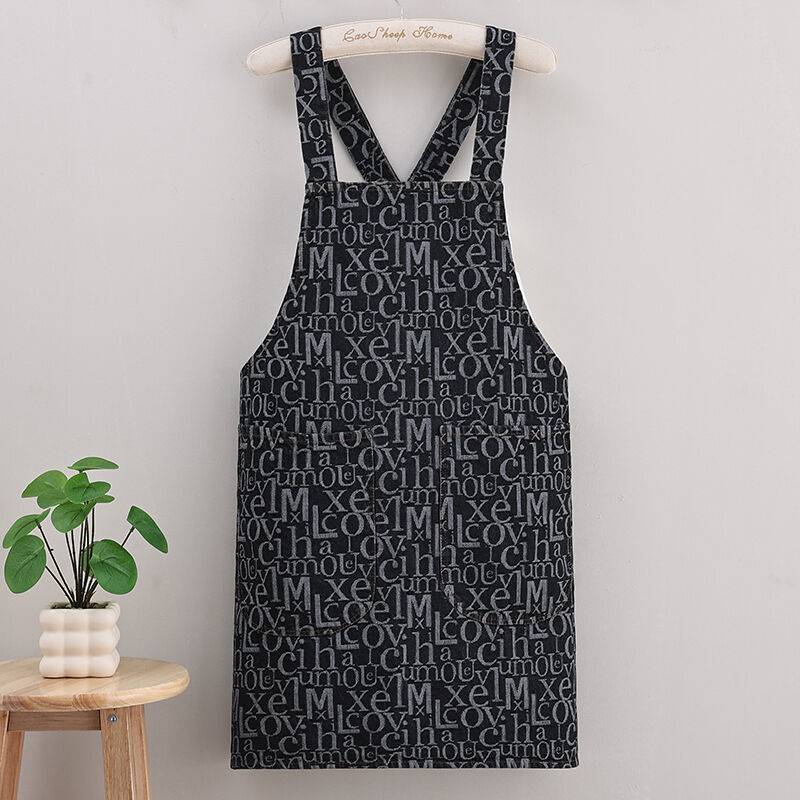
Denim Trade-Offs: Stain Hiding vs. Reduced Flexibility in Long Shifts
Because of the blue dye in denim, mid weight regular denim can help conceal little spills and stains like coffee and sauce. If a wait staff member is on their feet all day serving customers, spills and stains on their clothes will blend in. It's also important to point out some studies on movement which estimate that a person's range of movement is restricted by around 15 to 20 percent when they are wearing denim compared to other materials like canvas or twill. It's likely that they will get more tired during their shift if they are wearing these jeans in a role where they are required to do a lot of bending or reaching, such as serving food at a restaurant. Comfortable movement is sacrificed for the sake of looking clean when staff have to do such demanding shift work, particularly when there are 10 hour shifts on the roster every week.
Performance Blends: Cotton-Polyester Aprons for Washing Efficiency and Longevity
65 percent/35 percent Ratio: Maximum Breathability, Minimum Wrinkles, and Commercial Laundries Resistant
Using a blend of 65% cotton and 35% polyester gives a good result for hospitality environments that require employee comfort and durability. The cotton component allows for natural air circulation and sweat absorption, which is ideal for those who are on their feet for long periods of time. The polyester component is crucial as it is wrinkle resistant, maintains its structure after washing, and is strong and resistant to stretching. Most importantly, this blend can withstand commercial laundry washing with hot water, strong detergents, and rapidly rotating drums. Restaurant staff will appreciate the resistance to food stains from coffee, grease, and wine. Uniforms that remain clean and professional looking can reduce the washing cycle times and improve efficiency.
Longer Service Life: 42% More Days vs. 100% Cotton After 75+ Wash Cycles
Recent findings from the Textile Durability Study show that cotton-polyester blend aprons last 42% longer than all cotton aprons after 75+ industrial washes. Due to the benefits of polyester, aprons also experience less holes, pilling, and snagging caused from staff at the restaurant carrying serving trays and wiping down surfaces during their shifts. Tougher aprons leads to tougher aprons leading to lower costs for aprons, resulting in operational costs reducing by 30% annually. Workers can feel comfortable while maintaining a professional appearance.Functional Finishes: Enhancing Durability with Stain, Water, and Grease Resistance
Why Does Cotton Drill Perform Better than Hydrophobic Treatments and Inherent Fiber Density?
Though water-resistant chemical treatments become ineffective after 30-50 washes, once the treatment wears off, the stains are next to impossible to remove. Permanent stains grow on the treated cotton drill apron because cotton drill is made with a densely woven fabric (200+ threads/sq. inches). It fabric is designed to prevent the passage of fluids through the fabric structure and does not require a water-resistant chemical treatment. In a restaurant setting, the heavy-duty fabric of the apron withstands the elements of the kitchen which includes splatters of frying oil, spilled wine, and the acidic tomato sauce often used in the kitchen. After 6 months of daily use, treated cotton drill aprons had 47% more stains than untreated and the tight fabric survived the hot washes that destroy the treated aprons.
The functionality and appearance of our cotton aprons make it easy to understand how they have maintained value and functionality after 150 industrial washes.
Reinforced Construction: Seams, Fastenings, and Coverage That Enhance the Usability of Waiter Aprons
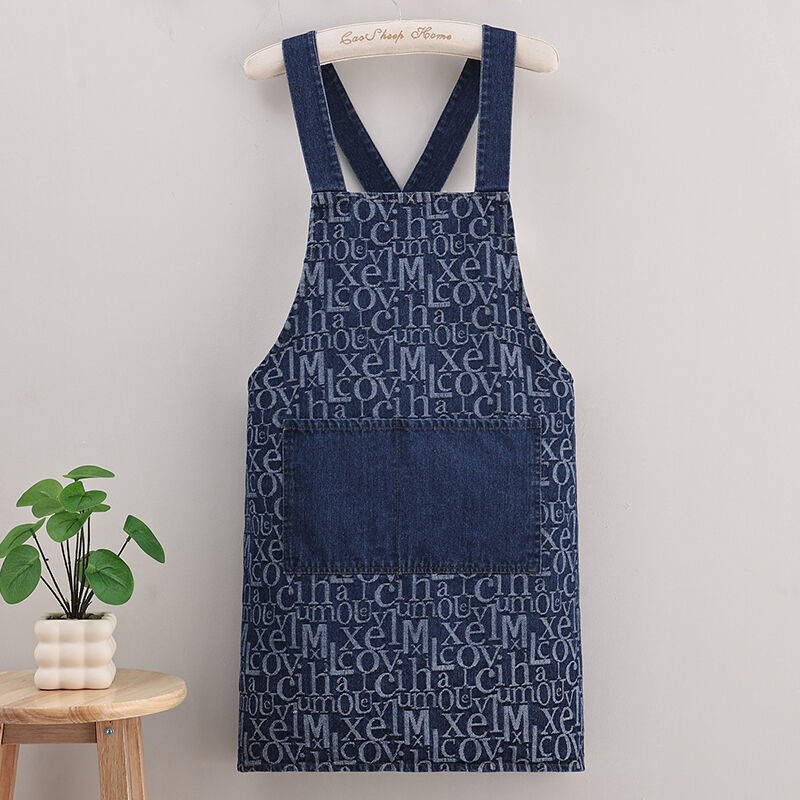
Metal Grommets, Heavy-Duty Buckles, and Double-Stitched Stress Points
In busy restaurants, aprons need to be reinforced in the areas that are subject to the most abuse over time. For example, the neck straps are reinforced with metal grommets to prevent tearing as staff adjust their straps. Heavy duty buckles ensure that everything stays closed and secure even during hours of movement in the kitchen. The stitches used at strap and pocket corners are not the same as regular ones. They withstand far more stress, and are 3 times more likely to withstand fraying than regular ones leading to fewer replacements. The design is of great importance. The cut of knee length panels prevents the fabric from snagging on edges of tables during busy services to ensure that staff maintain a clean and professional appearance.
Most Commonly Asked Questions
What are the advantages of using cotton canvas for aprons?
Using cotton canvas for aprons offers the advantages of impact resistance as well as structural rigidity for added durability and protection in high traffic areas.
In what way does twill fabric increase the durability of waitstaff uniforms?
Twill fabric is made using a diagonal rib pattern. This means that the fabric has strength in both directions (across the threads) and can withstand damage from rubbing, liquid spills, and repeated washing.
Why is denim a poor choice for waitstaff uniforms when the employees have long shifts?
Although denim can be a good material for concealing stains, it doesn’t have the same amount of stretch and flexibility as other materials. This means that it can cause restriction and movement and ultimately lead to more fatigue during long shifts.
What advantages does a cotton/polyester mixture provide to the life of an apron?
The polyester in cotton/polyester blends works to support the other fibers in the fabric and prolong its life by adding extra resistance to the fabric when it is being washed.
What are the benefits of using cotton drill fabric for aprons?
Because it is a dense, natural material, it is able to avoid and withstand almost all stains. Because of this, it does not require any temporary chemical treatments.