
 EN
EN
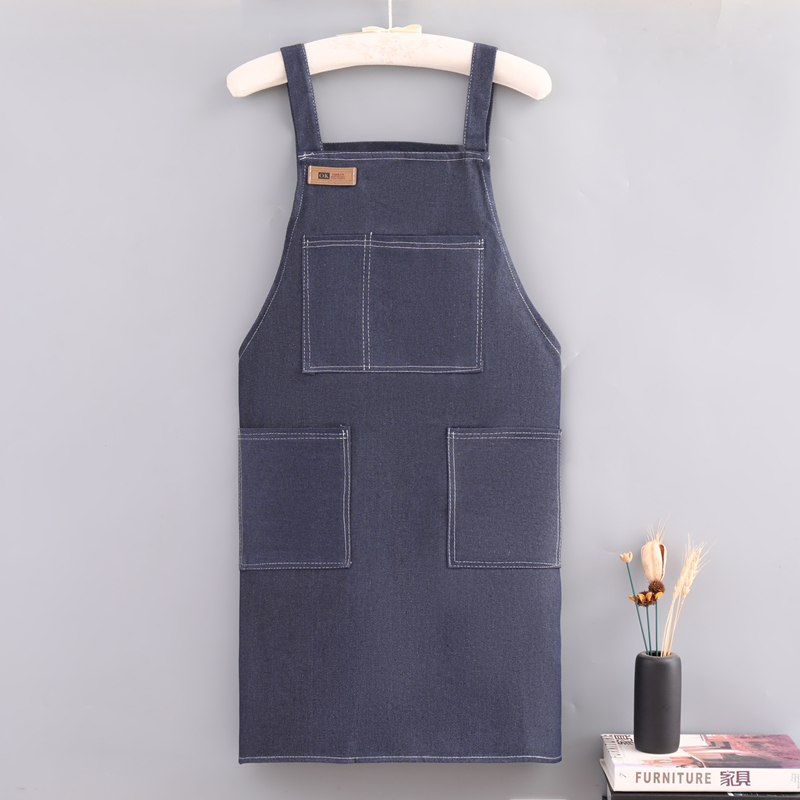
Why Aprons Made of Cotton with a Focus on Softness and Absorbency are Great for the Home Cook
Aprons made of cotton are appreciated by home cooks because they provide comfort and protection from spills and accidents while cooking. The soft cotton material won't irritate the skin, even while spending hours cooking at the stove, and accidents are going to happen. Think about flying oil from a hot pan, or sauce dripping all of the way down your arm. What about cotton pulls liquids away from the skin, and can hold much more fluid than synthetic materials, at least that is what some labs claim. Cotton is much better at liquid holding than it's synthetic counterpart. In addition, cotton is more breathable fabric than synthetic so the chef and cook can stand at the burner and not sweat. Cotton is more durable than synthetic because good quality cotton will get softer with every wash for about 30 wash cycles and won't lose much of it's absorbency. In contrast, cheaper cotton alternatives will simply fall to pieces after a very few wash cycles. Most serious home cooks will stick to cotton aprons, even at the risk of having to wash them after every dinner party or weekend baking marathon.
Cotton Apron Fabrics: What Takes the Cake?
Absorbtion and Comfort: A Comparison of Canvas, Chambray, and Twill
When it comes to cotton aprons, the choice of fabric influences the comfort and functionality of the garment, especially its ability to manage spills. Chambray fabric feels nice and light, but at a 140 to 180 grams per square meter (GSM) rating, it does not absorb much moisture. Ideally, it would be a good choice for a quick kitchen errand. Then, you have cotton fabric of twill type weave. With a weight of 180 to 220 GSM rating, these fabrics absorb nearly 30 percent more liquid than the average canvas, while also providing a nice feeling against the skin. If you want aprons that can get ruined due to cooking, you would want canvas at 220 to 300 GSM. Although these fabrics have a tendency to be a little rigid, and do not have nice draping qualities initially, they have a nice finish and hand to be amongst the most durable fabric available.
Fabric Typical GSM Hand-Feel Absorbency Best For
Chambray 140–180 Light, breezy Moderate Short cooking sessions
Twill 180–220 Silky, flexible High Frequent liquid spills
Canvas 220–300 Sturdy, textured Low-Mid Heavy-duty protection
The Ideal Weight Range: Why 180–240 gsm Delivers Optimal Drape, Absorbency, and Longevity
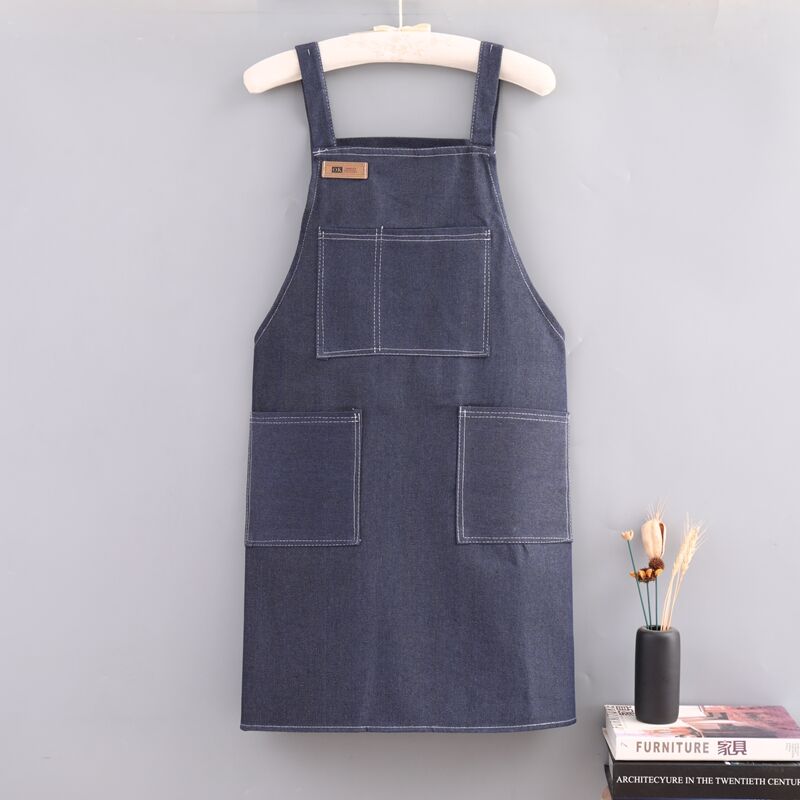
Drape, Absorbency, and Longevity are achieved within a fabric weight range of 180-240 gsm. Below 160 gsm, aprons lack structural integrity and do not possess enough absorbency to be functional, and ones that exceed 240 gsm become overly rigid and unwieldy. Within the 180-240 gsm range, aprons achieve:
Drape: Worn fabric that contours to the body and moves with the user without looking bulky
Absorbency: Fabrics that retain 1.5 times more liquid than light weight droplet repelling fabrics, enhance the aprons functionality
Durability: Fabrics that withstand 200+ washes and retain their structural integrity are essential.
Light weight fabrics that are less than 160 gsm in weight show 40% faster wear, and mid-weight fabrics make the most sense for aprons for home chefs.
Design Elements That Boost Comfort and Functional Absorbency in a Cotton Apron
A key factor in the absorbency of cotton aprons, and the comfort levels they provide, are design elements that prevent full body movements from releasing the inner areas of the aprons from becoming laden with moisture. Design elements that incorporate areas of absorbency in key movement areas ensure that moisture collecting regions do not lose their functionality through elevated body movements. Comfort features, including ease to bend and stretch with movement, and the addition of adjustable components, all contribute to a great cotton apron.
Designed with the body in mind, the design removes bulk to allow unobstructed movement during reach tasks, and provides full range of motion with all body movements. N Adjustable neck straps and waist tie closures allow for unrestricted fittings that avoid tightness in a customizing way. This kitchen style apron design considers that the apron should remain fixed, so the spill zone absorbent layers zoned where the spills absorb are less likely to shift and spill zone absorbent layers remain. spill zone absorbent layers. are located where most spills occur, including the thickest layers of cotton located in the chest and lower belly zones. These zones are most vulnerable to spill accidents. Over 40% of apron layers are absorbent. The meshed layers are designed to absorb moisture to be rid of "hot sticky" conditions. These panels are angled so that they improve body alignment. There are increases in comfort and pul for the changes to be most effective The absorbent and nonabsorbent zones. There is no no less detailed.
Softness and Absorbency Maintenance: Washing Instructions, Care, and Longevity
The most important factor that contributes to the comfort and the functionality of the cotton aprons, is the care that is given to them after repeated use. Everyday cooking will certainly lead to these workhorses getting stained and dirty, and what happens when the apron is washed and dried is what keeps them repelling the liquid and remaining soft to the touch. It has been researched and shown that three-quarters of the wear that occurs to fabric is a result of poor washing. Proper washing is more of a necessity than a recommendation when it comes to the longevity of aprons and other fabric items through many kitchen expeditions.
Pre-Washed Vs. Stone-Washed: The Softness of Absorbency
The cotton aprons that are pre-washed, means that they have been through an industrial washing process prior to it being sold, which means that the shrinkage of the fibers occurs first, and then the cotton still has the ability to absorb because the washing was controlled. The other option is the stone-washed, where the manufacturer adds pumice stones to the wash to give abrasion to the fibers. It is noted that with this option, the abrasion may cause excessive damage to the cortex of the cotton and may reduce the absorbency of the apron. The most commonly disliked parts of a brand new cotton apron are avoided with both methods, but Pre-washed aprons surpass Stone-washed aprons when it comes to absorbency and liquid retention ability.
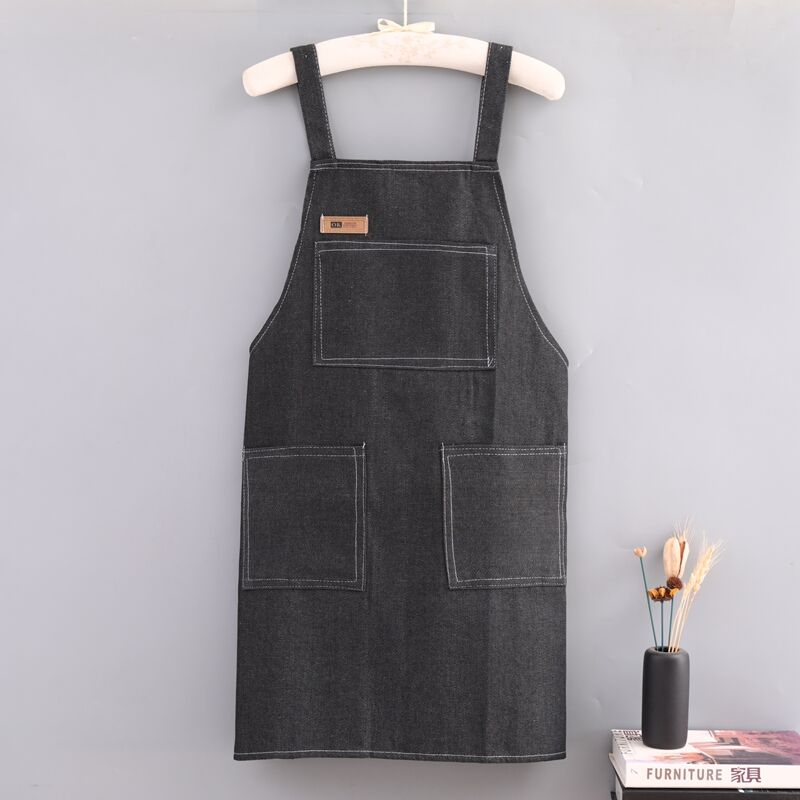
Care Best Practices: Damaging Effects of Fabric Softener and High Heat Drying on the Absorbency of Cotton Aprons
Because of the hydrophobic coating applied by fabric softener, the absorbency of cotton is reduced by as much as 26% after 10 washes. Heat drying then further reduces absorbency by causing fibers to become brittle, making them not only less soft, but less absorbent as well. To increase absorbency, you should:
- wash in cold water and use a pH neutral detergent,
- then air dry flat, or tumble dry on low heat.
- skip fabric softener,
- use wool drier balls to soften the fabric,
- and finally, to remove wrinkles, iron while damp to smooth the fibers without scorching.
FAQ
Why is cotton the preferred material for aprons?
Cooking for long periods of time requires the use of a material that is soft and absorbs moisture. Cotton is also very durable and maintains it's properties after repeated washing.
What is GSM and why does it matter for cotton aprons?
It is a measure of fabric weight and stands for grams per square meter (GSM). It impacts the structure, absorbency, and comfort of the apron. For apron making, 180 GSM to 240 GSM is a good range.
How should I care for my cotton apron to ensure it lasts?
In order to preserve the fabric's absorbency and softness, you should wash in cold water and use a pH neutral detergent, and avoid fabric softeners.
What's the difference between pre-washed and stone-washed cotton?
Pre-washed cotton has the benefit of being soft and remaining absorbent. Stone washed cotton is abraded to give a worn look but can reduce absorbency.