
 EN
EN
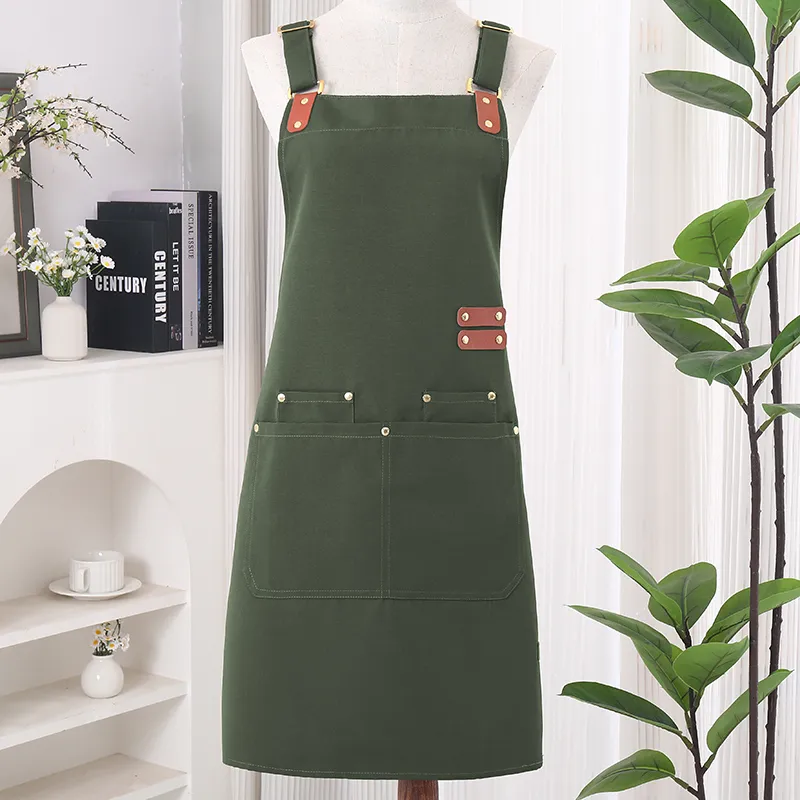
Understanding Core Custom Apron Styles for Team Functionality
Bib, Waist, and Cross-Back Custom Aprons: Matching Style to Role Demands
Selecting the right apron style directly impacts team efficiency and comfort. Bib aprons deliver maximum chest and torso protection—ideal for kitchen staff handling hot liquids, splashing sauces, or working near open flames. Waist aprons prioritize mobility and tool accessibility, making them a natural fit for servers who need rapid access to pens, order pads, or credit card machines. Cross-back designs distribute weight evenly across both shoulders, reducing strain during extended shifts—especially valuable for baristas pulling espresso shots or bakers lifting heavy mixing bowls. Consider task frequency and posture: roles requiring frequent bending or stooping benefit from shorter waist aprons that stay secure without riding up, while high-mess prep work demands the full coverage of a bib. A leading uniform provider found teams using role-matched aprons reported 23% fewer replacements due to wear (Industry Report 2023).
Full-Length vs. Bistro Custom Aprons: Balancing Coverage, Mobility, and Brand Impact
Full-length aprons extend below the knee and maximize spill and splash protection—critical for line cooks, butchers, or pastry chefs handling bulk ingredients or large-volume cooking. Bistro aprons (typically waist-length) enhance agility and reduce tripping hazards in tight, high-traffic front-of-house areas like host stands or bar service zones. While full-length styles offer 40% more stain coverage (Hospitality Safety Journal 2024), their added fabric can restrict movement if not tailored properly. For branding, longer aprons provide broader canvas space for logos and messaging—but bistro cuts often better reflect the refined, minimalist aesthetic of upscale hospitality venues. Match material to function: durable polyester blends withstand industrial laundering cycles in kitchens; cotton-linen blends offer breathability and texture suited to guest-facing roles.
Optimizing Sizing and Fit Across Diverse Team Members
Why Standard Sizing Fails Teams: Addressing Anthropometric Diversity in Custom Apron Design
Standard small/medium/large sizing assumes uniform body proportions—a flawed premise. Shoulder width, torso length, waist-to-hip ratio, and girth vary significantly across age, gender, and ethnicity. When aprons don’t align with actual anatomy, they either restrict motion (tight straps, short ties) or hang loosely (gaping backs, slipping waistbands), compromising safety and performance. In roles requiring bending, reaching, or carrying trays, poor fit slows service, increases fatigue, and undermines confidence. True custom apron design begins with precise measurements—not generic charts. Manufacturers offering inclusive specifications—such as separate waist/girth dimensions, or petite/regular/tall silhouettes—enable teams to eliminate fit-related friction, supporting both operational consistency and team morale.
Key Adjustability Features for Inclusive Fit: Ties, Straps, and Elastic Integration
Even with accurate base sizing, adjustability ensures long-term adaptability across diverse physiques and changing needs. Criss-cross back straps let wearers fine-tune shoulder and ribcage tension without assistance. Side-release buckles or sliding waist ties allow quick on-the-fly resizing—valuable when aprons are shared across shifts or body types. Strategically placed elastic panels at the waist or side seams provide dynamic give during movement while maintaining secure positioning. In fast-paced environments like kitchens or workshops, magnetic closures or reinforced snap-buttons replace traditional knots for faster, safer donning and doffing. These features transform a well-fitted apron into a truly inclusive one—reducing inventory complexity, minimizing returns, and reinforcing dignity and professionalism for every team member.
Strategic Customization That Unifies Utility and Brand Identity
Role-Based Functional Customization: Pocket Configurations and Tool Accessibility
Function must drive form: pocket placement, size, and closure type should mirror real-world tasks. Kitchen staff benefit from deep, angled pockets for thermometers and tongs; baristas need narrow, vertical slots for tampers and calibrated milk thermometers; servers require shallow, open-top compartments for receipt rolls and styluses. Modular options—like zippered security pockets, removable tool loops, or Velcro-secured dividers—let teams configure storage without altering the core apron design. This role-specific engineering reduces unnecessary motion, accelerates response time, and minimizes dropped tools—turning the apron into an intuitive extension of daily workflow.
Brand-Cohesive Custom Apron Elements: Logo Placement, Color Systems, and Scalable Reordering
A custom apron is both protective gear and brand ambassador. Logo placement matters: chest panels offer high-visibility impact without obstructing movement; strap embroidery adds subtle polish; back logos reinforce presence during service interactions. Consistent color application—whether in main fabric, contrast stitching, pocket binding, or trim—anchors the apron within the broader brand system. For growing teams, scalable reordering ensures new hires receive aprons matching original dye lots, thread colors, and logo dimensions—preserving visual continuity across locations and over time. When utility and identity are intentionally aligned, each apron becomes a reliable, recognizable expression of team values and operational excellence.
Frequently Asked Questions (FAQ)
Why is selecting the right apron style important for teams?
The right apron style directly impacts team efficiency, comfort, and safety by matching coverage and features to specific role requirements.
What are the benefits of bib aprons compared to waist aprons?
Bib aprons provide maximum chest and torso protection, ideal for tasks involving hot liquids or messy prep work, while waist aprons prioritize mobility and accessibility.
How does sizing affect apron functionality?
Standard sizing often fails to accommodate diverse body shapes, which can compromise safety and performance. Custom sizing resolves these issues by offering tailored fits for different team members.
Why is branding integral to apron customization?
Aprons serve as brand ambassadors through logo placement, color consistency, and scalable reordering to maintain visual identity across teams and locations.