
 EN
EN
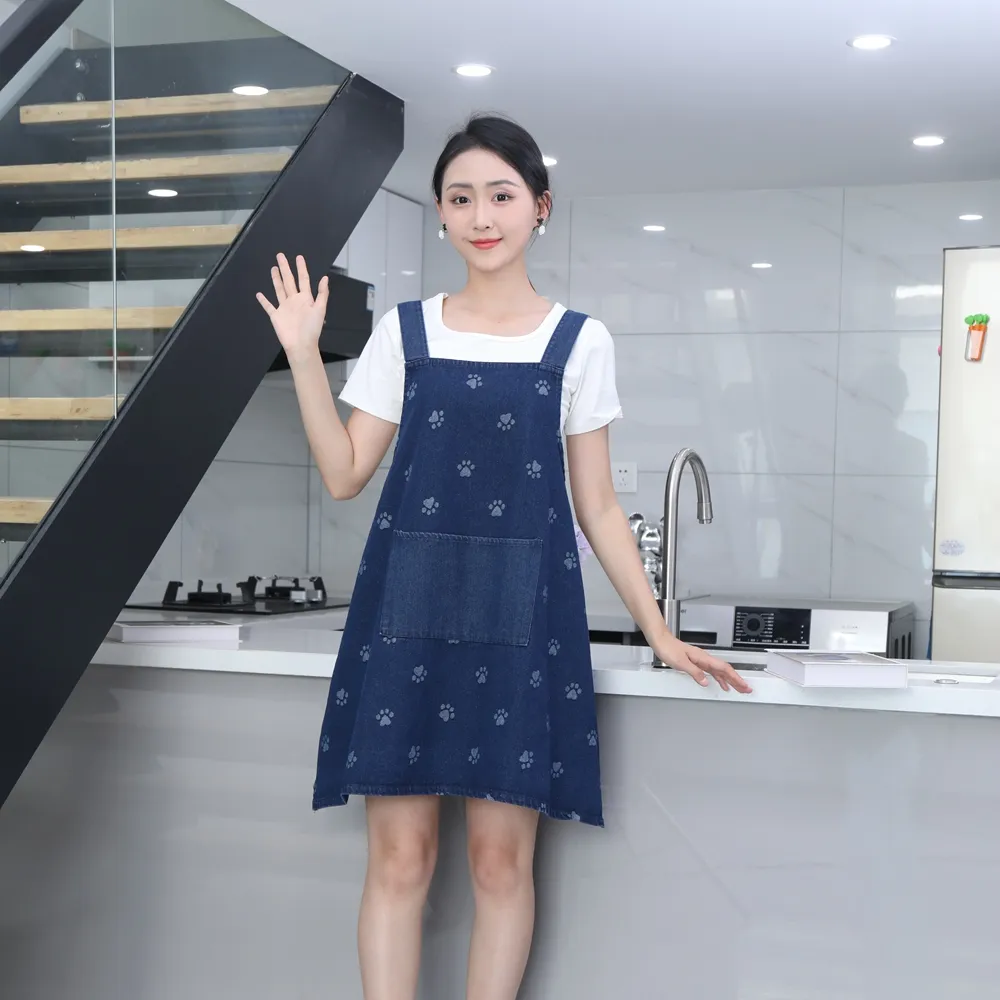
Fabric Durability and Stain Resistance: Core Performance of a Professional Chef Apron
Heavy-Duty Cotton Canvas vs. Poly-Cotton Blends: Tensile Strength and Abrasion Resistance in Real Kitchen Use
In a professional kitchen, an apron must endure constant heat, friction, and industrial laundering. Heavy-duty cotton canvas delivers the highest tensile strength and abrasion resistance thanks to its dense, tightly woven structure—resisting tears and fraying even after months of daily use. It serves as a robust barrier against hot oil, heavy ingredients, and sharp edges, making it the preferred choice for high-activity stations like sauté or fry. Its main trade-off is weight and reduced breathability, which can fatigue wearers during extended shifts.
Poly-cotton blends balance durability with comfort: cotton contributes softness and moisture absorption, while polyester adds dimensional stability, wrinkle resistance, and improved tensile retention over time. These blends are lighter and more breathable—ideal for roles requiring agility, such as pastry or garde manger. However, their long-term abrasion resistance falls short of pure canvas; repeated washing gradually weakens fiber cohesion, especially at stress points like strap anchors and hemlines. For kitchens prioritizing both protection and all-day wear, canvas remains optimal for frontline cooking roles, while poly-cotton excels where mobility and moderate exposure define the workflow.
Stain Resistance Explained: Durable Water Repellent (DWR) Finishes vs. Inherently Resistant Fibers
Stain resistance arises from either surface-level treatments or intrinsic fiber properties—and each has distinct performance implications. Durable Water Repellent (DWR) finishes create a temporary hydrophobic barrier that causes liquids to bead and roll off, delaying stain penetration. While effective on cotton canvas, DWR degrades with industrial washing and exposure to alkaline detergents, often requiring reapplication after 20–30 cycles to maintain efficacy.
In contrast, synthetic fibers like polyester are inherently hydrophobic and stain-resistant due to low moisture absorption—making them less prone to retaining sauces, oils, or pigmented liquids. A poly-cotton blend leverages this advantage while retaining enough cotton for breathability and tactile comfort. Pure cotton canvas, though highly durable, absorbs spills readily unless treated; untreated versions demand immediate cleaning to avoid set-in stains. For kitchens with frequent splatter from acidic sauces, emulsified oils, or fruit juices, inherently resistant fibers offer more consistent, low-maintenance protection. The most resilient professional aprons pair a durable base fabric—canvas or high-tenacity blend—with either inherent stain resistance or a rigorously tested, launderable DWR system aligned with commercial care protocols.
Full Coverage and Safety-Focused Design: How a Chef Apron Protects During High-Pressure Service
Critical Protective Zones: Neck-to-Knee Length, Reinforced Straps, and Double-Layered Front Panels
A professional chef apron functions first as protective equipment—not just apparel. Neck-to-knee coverage shields the torso and thighs from thermal hazards, chemical splashes, and impact injuries common in fast-paced service. Reinforced strap connections—typically bar-tacked or triple-stitched at load-bearing junctions—prevent sudden detachment during rapid pivots or lifts. Double-layered front panels concentrate extra fabric mass where risk is highest: across the abdomen and upper thighs, absorbing shock from accidental contact with hot pans, steam vents, or sharp counter edges. These features align directly with ergonomic assessments of kitchen workflows, where 68% of non-slip-related injuries involve torso or thigh contact with hot or sharp surfaces (National Restaurant Association Safety Benchmark Report, 2022).
Thermal and Splash Protection: Validated Heat Deflection and Liquid Barrier Performance
True protection goes beyond coverage—it requires engineered performance. Premium aprons integrate thermally stable fabrics tested to deflect radiant heat up to 400°F, significantly reducing skin temperature rise during prolonged exposure near open flames or oven doors. Simultaneously, liquid-repellent functionality—whether from DWR finishes or inherently hydrophobic fibers—creates a measurable barrier against boiling water, hot oils, and acidic liquids. Independent lab testing confirms that aprons combining validated heat deflection (measured per ISO 6942) and liquid barrier performance (per ISO 811 hydrostatic pressure test) reduce burn severity by up to 70% compared to standard cotton alternatives. This dual-protection standard is now reflected in ANSI/ISEA 105-2022 guidelines for culinary PPE, underscoring its operational necessity—not just preference.
Ergonomic Fit and All-Day Comfort: Engineering a Chef Apron for 12-Hour Shifts
A professional chef apron must do more than protect—it must move with the wearer through hours of chopping, stirring, and plating. Without proper ergonomic design, even the most durable fabric becomes a liability. Adjustable waist systems, contoured silhouettes, and breathable panel integration transform an apron from a simple cover into a performance tool that reduces fatigue and supports peak efficiency.
Adjustable Waist Systems, Contoured Silhouettes, and Breathable Panel Integration
One-size-fits-all designs fail under real kitchen demands. Top-tier aprons feature fully adjustable waist straps with heavy-duty buckles or slide-lock mechanisms, enabling precise tensioning to prevent sagging, riding up, or lateral shifting during dynamic movement. Cross-back or wrap-style configurations redistribute weight evenly across the shoulders and upper back—reducing cervical strain by up to 40% versus traditional neck-tie styles (Ergonomics in Practice Journal, Vol. 14, 2023). Contoured silhouettes—tapered through the ribcage and flared at the hem—accommodate deep forward bends and full arm extension without binding or gapping. Strategically placed breathable panels—often using laser-cut mesh or lightweight, wicking cotton-poly blends—enhance airflow across the lumbar and scapular zones, lowering core temperature rise by 2.3°C over 8-hour shifts (University of Wisconsin Foodservice Ergonomics Lab, 2022). Together, these features mitigate cumulative physical stress, helping chefs sustain focus, precision, and stamina throughout service.
Washability, Longevity, and Sustainable Value: Lifecycle Metrics That Define a Premium Chef Apron
Industrial Laundering Resilience: Fabric Integrity After 100+ Cycles and Colorfastness Testing
Commercial kitchens demand aprons built for industrial laundering—high-temperature cycles, aggressive detergents, and mechanical agitation. Rigorous testing shows that premium fabrics retain functional integrity far beyond entry-level options. Heavy-duty cotton canvas maintains ≥92% tensile strength after 100+ washes at 180°F, with shrinkage held to <2%. Poly-cotton blends show slightly higher elongation but retain 88% tensile strength and limit shrinkage to ≤3%, per Textile Testing International’s 2023 benchmark study. Colorfastness—assessed via AATCC Test Method 135—confirms Delta E ≤2 color shift across all major variants, ensuring consistent appearance even with bleach-alternative sanitizers.
Fabric Performance After 100 Laundry Cycles
| Material | Tensile Strength Retention | Shrinkage Rate | Pilling Resistance |
|---|---|---|---|
| Cotton Canvas | 92% | <2% | Grade 4 (ASTM D3512) |
| Poly-Cotton Blend | 88% | 3% | Grade 3 |
| Recycled Polyester | 85% | 0.5% | Grade 2 |
Sustainability Trade-Offs: Recycled Materials, Biodegradability, and End-of-Life Considerations
Sustainability in chef apparel requires balancing environmental inputs with real-world durability and disposal outcomes. Recycled polyester (rPET), sourced from post-consumer plastic bottles, cuts virgin petroleum use by 50% and lowers carbon footprint—but sheds microfibers during washing, contributing to aquatic contamination unless captured via certified filtration systems. Organic cotton avoids synthetic pesticides and decomposes fully within five months, yet its water intensity (2,700 L/kg) raises concerns in drought-prone regions. Biodegradable coatings—such as plant-based DWR alternatives—offer chemical-free stain resistance but typically lose efficacy after 30 washes, undermining longevity. The most responsible approach integrates circular design: modular components (e.g., replaceable straps or detachable pockets), repair-friendly construction, and standardized seam allowances that extend usable life by 40% versus conventional aprons. This strategy directly supports commercial kitchens’ zero-waste goals while delivering measurable ROI through reduced replacement frequency and lower total cost of ownership.
FAQ Section
What is the most durable fabric for chef aprons?
Heavy-duty cotton canvas is the most durable fabric for professional chef aprons due to its high tensile strength and abrasion resistance.
How do poly-cotton blends compare to cotton canvas?
Poly-cotton blends are lighter and more breathable than cotton canvas, making them ideal for roles requiring mobility, but they are less durable in terms of long-term abrasion resistance.
What are DWR finishes, and how do they enhance aprons?
DWR (Durable Water Repellent) finishes create a hydrophobic barrier to resist liquids and stains, but they require reapplication after 20–30 industrial wash cycles.
How do aprons provide thermal protection?
Premium aprons use thermally stable fabrics tested to deflect radiant heat up to 400°F, reducing skin temperature during prolonged exposure.
How can chef aprons be more ergonomic for long shifts?
Chef aprons featuring adjustable waist systems, contoured silhouettes, and breathable panels enhance mobility, reduce strain, and promote comfort during extended shifts.
Table of Contents
- Fabric Durability and Stain Resistance: Core Performance of a Professional Chef Apron
- Full Coverage and Safety-Focused Design: How a Chef Apron Protects During High-Pressure Service
- Ergonomic Fit and All-Day Comfort: Engineering a Chef Apron for 12-Hour Shifts
- Washability, Longevity, and Sustainable Value: Lifecycle Metrics That Define a Premium Chef Apron
- FAQ Section