
 EN
EN
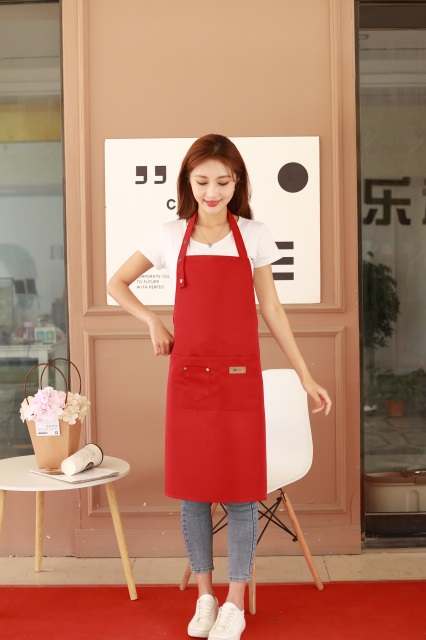
Why a Waterproof Kids Apron Is Non-Negotiable for Art and Cooking
A waterproof kids apron forms a crucial shield against the inevitable spills, splatters, and stains that come with creative and culinary projects. Unlike standard fabric aprons that soak up paint, glue, or grease, a waterproof layer stops liquids from ever reaching the child’s clothing—saving parents hours of laundry time and preventing permanent damage to favorite outfits. In art settings, it blocks water-based paints, ink, and adhesive residues that can cause skin irritation; during cooking, it repels hot oil splashes, tomato sauce, and sticky batter, keeping children safe and clean. The waterproof surface also simplifies cleanup: most messes rinse off with water or wipe away instantly. For families who regularly host messy play or baking sessions, this type of apron transforms chaotic activities into stress-free experiences—empowering children to explore freely without constant worry about ruined clothes.
Waterproof Kids Apron Materials Compared: Safety, Performance, and Comfort
Selecting the right material involves balancing protection, comfort, and safety—especially for young, sensitive skin. While all waterproof options resist liquid penetration, their breathability, flexibility, and chemical profile vary significantly.
Plastic and Vinyl: Maximum Splash Protection vs. Skin Comfort
Plastic and vinyl aprons deliver unmatched waterproofing—ideal for high-splash art projects involving paints, dyes, or clay. Their smooth, non-porous surfaces let spills slide off easily, minimizing cleanup. However, this impermeability limits breathability, potentially causing overheating or discomfort during extended wear. Some children resist wearing them due to stiffness or a clammy feel—particularly in warm environments or during longer sessions.
Nylon and PVC-Free Alternatives: Balancing Durability, Breathability, and Toxin Safety
Nylon blends and PVC-free materials—such as polyurethane-coated fabrics or recycled polyester—offer a more balanced solution. They provide reliable water resistance while allowing better air circulation, helping regulate body temperature. Critically, many PVC-free options avoid phthalates and heavy metals, aligning with health guidelines from the U.S. Consumer Product Safety Commission (CPSC) and European REACH regulations on children’s products. These materials are often softer, more flexible, and gentler on sensitive skin—without compromising durability. For eco-conscious families, certified recycled variants add sustainability benefits without trade-offs in performance.
Matching the Waterproof Kids Apron to the Activity: Art-Specific vs. Cooking-Specific Features
A single waterproof kids apron rarely handles both paint splatters and hot stove splashes equally well. Optimal protection comes from matching design features to the specific demands of the activity.
Art-Focused Design: Full Coverage, Tethered Sleeves, and Paint-Runoff Geometry
Art aprons prioritize full-body splash defense. A long, knee-to-ankle body and wrist-length sleeves create comprehensive coverage—essential when mixing watercolors or working with fabric dyes. Tethered sleeves—featuring elastic cuffs or thumb loops—prevent paint from dripping onto forearms during brush strokes or finger painting. Thoughtful geometry matters too: a gently sloped neckline directs runoff toward the apron’s center rather than pooling at the lap. Materials like coated nylon or food-grade polyethylene offer a slick, non-absorbent surface that resists staining and wipes clean effortlessly. This design favors maximum barrier protection over breathability—a reasonable trade-off for shorter, more intense creative sessions.
Cooking-Focused Design: Heat Resistance, Adjustable Waist, and Food-Safe Seams
Kitchen aprons face distinct hazards: hot oil splatters, steam burns, and food residue. Heat resistance is essential—look for fabrics meeting ASTM F1959 flame-resistance standards or polyester-cotton blends with durable water-repellent (DWR) coatings that won’t degrade under kitchen heat. An adjustable waist ensures a secure, close-to-body fit, reducing the risk of loose fabric catching on pot handles or oven doors. Equally important are food-safe seams: stitched edges can trap crumbs and bacteria, compromising hygiene. Sealed, bound, or ultrasonically welded seams eliminate crevices, enabling thorough wiping and soap-and-water cleaning. Many cooking-specific models include a bib pocket for quick access to utensils or a small towel—adding practicality for longer meal prep sessions. By choosing activity-specific features, you ensure the apron delivers precise, trustworthy protection where it matters most.
FAQ
Why are waterproof kids aprons recommended for art and cooking?
Waterproof kids aprons protect clothing from spills, stains, and splashes while keeping children clean and safe during creative or culinary activities.
What materials are commonly used for waterproof kids aprons?
Materials include plastic and vinyl for maximum splash protection, and nylon or PVC-free alternatives for balanced durability, breathability, and toxin safety.
How do art aprons differ from cooking aprons?
Art aprons offer full-body coverage and paint runoff design, while cooking aprons feature heat-resistant fabrics, adjustable waists, and food-safe seams for kitchen tasks.
Are PVC-free materials safer for children?
Yes, PVC-free materials avoid harmful chemicals like phthalates, making them safer for children while maintaining water resistance and durability.
Can waterproof kids aprons be cleaned easily?
Yes, most messes on waterproof surfaces can be wiped away or rinsed off with water, simplifying cleanup.