
 EN
EN
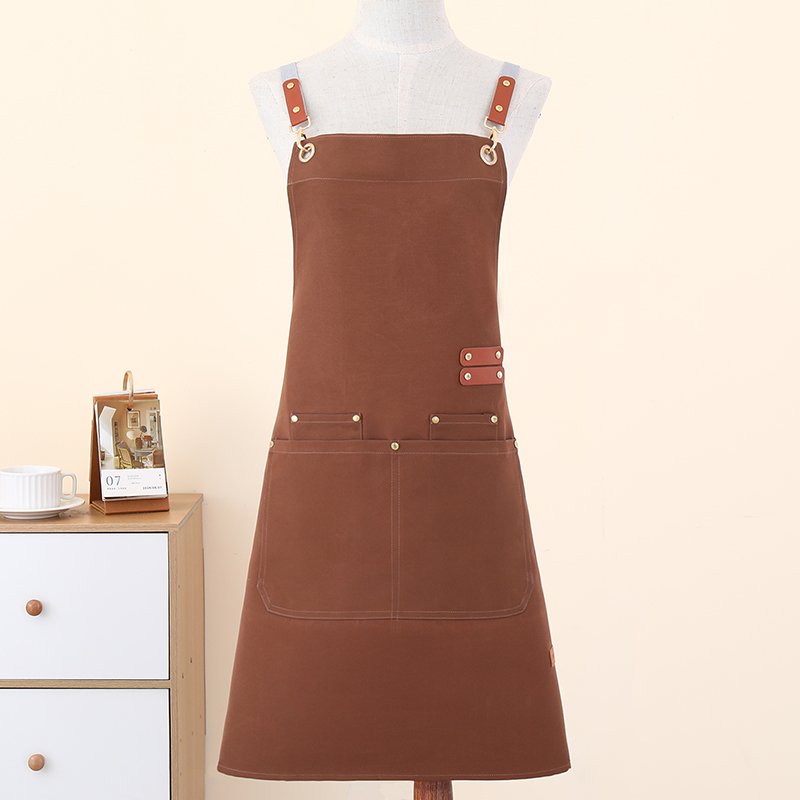
Breathability and Temperature Regulation in Cooking Aprons
Natural Fiber Breathability and Heat Buildup
The construction of cotton and linen fabrics results in superior moisture management and works better than other fabrics in moisture transfer and evaporation. This construction will be even more noticeable after the wearer has spent multiple hours cooking and standing over hot stoves. Moisture evaporation and transfer will eliminate the discomfort of synthetic fabric aprons that trap moisture. The evaporation of moisture and the transfer of moisture to a less fabric dominated area will eliminate moisture discomfort. Participants in a study conducted by the Ponemon Institute in 2023, and who wore aprons made from natural fibers, indicated that they experienced 30% less heat stress than those who wore synthetic fiber aprons. This degree of heat stress relief is substantial. The relief can be a factor that is considered in the evaluation of the conditions of the kitchen and the ability of the employees to reduce their anxiety in efforts to remain productive. Natural fibers allow for the circulation and regulation of air and temperature around the skin, while still providing reasonable protection from spills and food.
Linen vs. Cotton-Linen Blends: Lightweight Cooling Properties for High-Heat Kitchens
Linen provides breathability and air circulation that is about 50% better than that of cotton. Linen also dries faster than cotton. The downside? It wrinkles easily, and that could pose a problem for clean, polished, and professional looking appearances. A cotton-linen blend is a good middle-ground compromise, as Cotton-linen is also a compromise that offers good umderstandable airflow while needing good crease recovery.
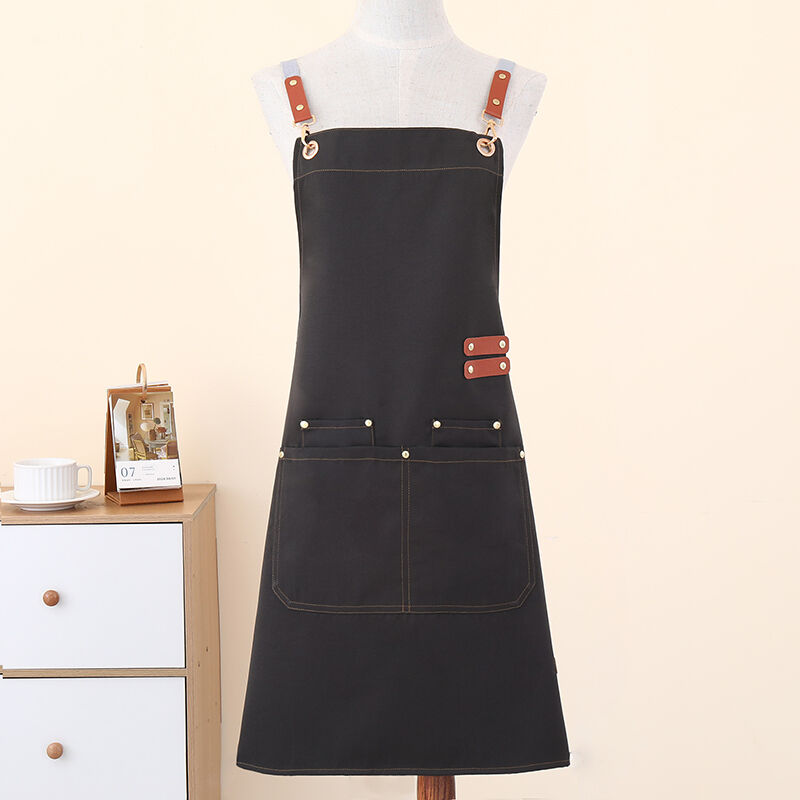
During busy shifts, these blends maintain airflow and resits wrinkles. The natural fibers outperform all forms of polyester in natural thermal regulation and empirically reduces skin temperature 3-5°F.
Cotton, Blends, and Skin-Friendly Fabric Choices for Daily Cooking Apron Wear
100% Cotton Cooking Aprons: Hypoallergenic Benefits and Moisture Management Limits
The most common cooking apron people select are those made from pure cotton as it is one of the most comfortable fabrics that is used for everyday kitchen work. Also, it is one of the best hypoallergenic choices. The open weave design allows good air circulation and reduces the amount of heat build up from cooking and cleaning up. The problem with cotton is that it doesn't work well with high moisture levels. Research from the 2023 publication of the Textile Performance Journal shows that at 65% saturation, cotton begins to not perform well. This means that once that threshold is crossed, things become even wetter and take longer to dry. Therefore, cotton aprons are not an ideal choice for areas with high humidity or lots of steam as they cannot evaporate moisture quickly. To keep aprons looking good and fitting well, a wash in cold water and a tumble dry with low heat setting is recommended. This reduces shrinkage to about 4% max, which ensures the aprons remain adjustable and wearable.
Cotton-Polyester Blend Aprons: Strength, Reduced Creasing, and Washability
The combination of cotton and polyester is great for staff comfort and durability in busy commercial settings. In the most recent Durability Institute testing, with the addition of polyester in 2023, fabric is approximately 40% more tear resistant, and approximately 70% more wrinkle resistant. Real world laundry testing with blended fabric aprons shows they withstand at least 50 washes with minimal fading and zero loss of shape. Additionally, although polyester is more moisture wicking than standard cotton at approximately 30% faster, its breathability is diminished. For this reason, most chefs prefer these blends at their stations where the heat level is moderate.
Ergonomic Design Factors: Fabric Weight, Drape, and Movement Freedom in Cooking Aprons
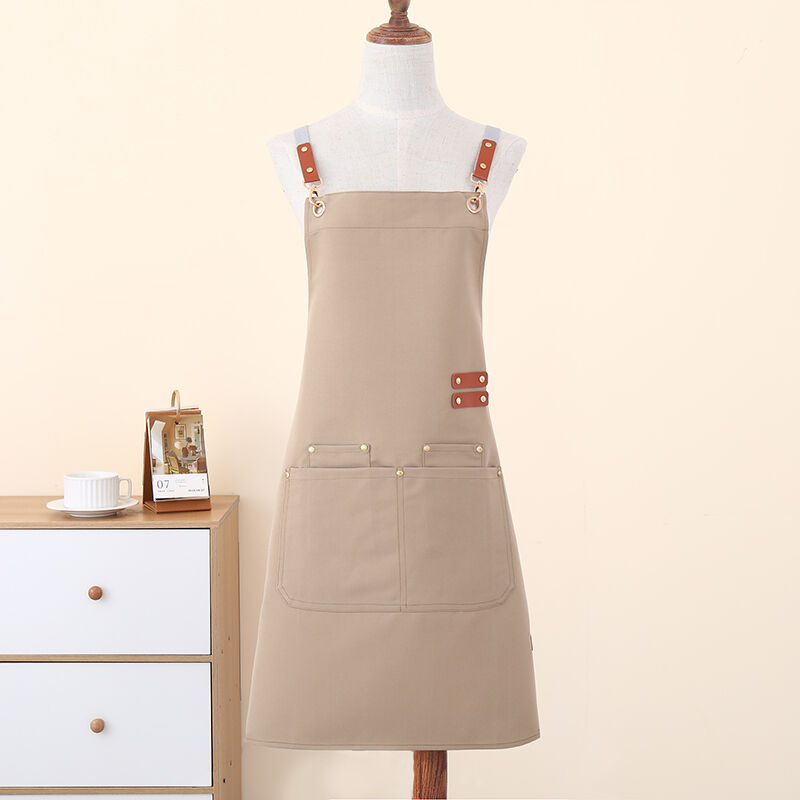
Ideal Fabric Weight (4-7 oz/yd²) for All-Day Comfort Without Sag or Restriction
The weight of the fabric used in a cooking apron significantly affects the comfort and practicality of the apron. Most professionals believe a weight of 4 to 7 ounces per square yard is best for the majority of the population. Within this range, the apron fabric has enough weight to keep the apron from becoming baggy or drooping all over the place, yet it is also light enough to not create a back strain or hold in excessive heat. Aprons made from lighter than 4 oz fabric generally wear out faster and get wet and sticky which is not pleasant. On the other side of the spectrum, apron fabric that is heavier than 7 oz is too restrictive to allow for comfortable movement, and, of course, anything that is too restrictive is not going to work for how often a person is going to be reaching across hot stoves and bending down to work on a cooking apron. Aprons made from fabric weight of this range drape and follow the body movements and are not going to be fighting against the body.
Research indicates that mid-weight aprons reduce physical fatigue by about 30 percent when compared to heavier weight aprons after an average 8 hour day in the kitchen. This is additional proof that fabric selection is extremely relevant when considering long term comfort.
FAQs
Are cotton aprons better than synthetic aprons for kitchen use?
Yes, cotton aprons are better than synthetic aprons for kitchen use because they provide better breathability and moisture control, reducing the risk of heat stress during prolonged periods of cooking.
What are the pros of wearing linen aprons compared to cotton-linen blend aprons?
Linens aprons has better breathability and drying speed than cotton-linen blend aprons, but linen fabric wrinkling is more of an issue. When compared to linen, cotton-linen blend fabrics wrinkling is better but breathability is compromised.
What is important for comfort when choosing an apron for long shifts?
Important factors include the type of fabric, ability of air to pass through the fabric, fabric weight (ideally 4-7 oz/yd², and ability of the fabric to hold its shape to allow free movement without creating a sag that would restrict movement.