
 EN
EN
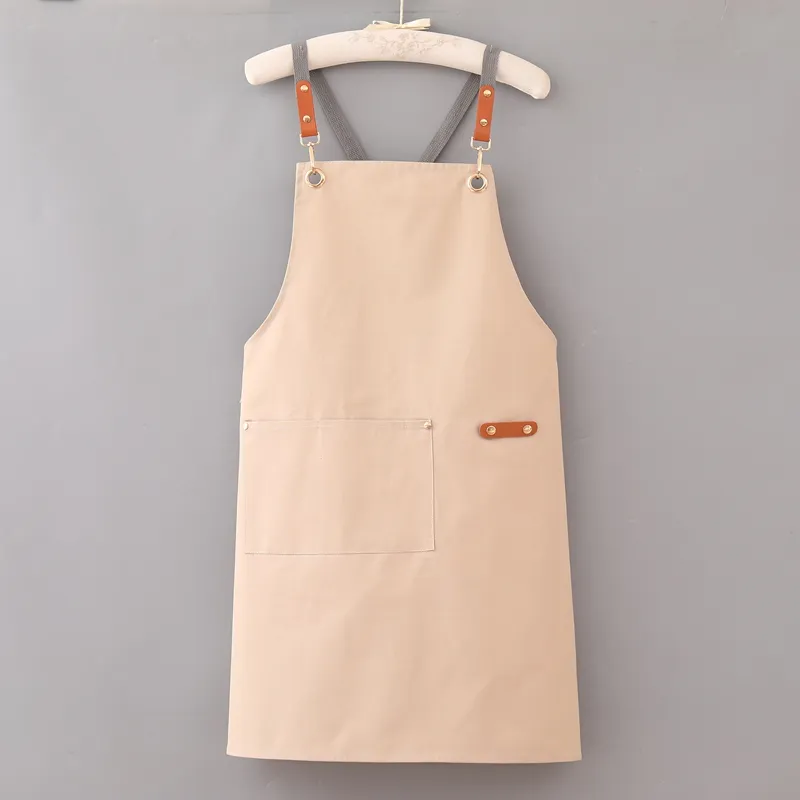
Fabric Characteristics That Affect Embroidery Quality
A personalized apron with embroidery is judged by the clarity and durability of the stitched design. The fabric is not just a canvas — it actively determines embroidery quality. A fabric that stretches under needle penetration produces distorted lettering. A fabric with a loose weave allows stitches to sink into the surface. A fabric that shrinks 5% after the first wash puckers the embroidery. Three characteristics determine the outcome: thread count and weave density, surface stability under tension, and dimensional stability through washing.
Thread Count, Weave Density, and Surface Stability Under Needle Penetration
A personalized apron fabric with thread count below 150 in plain weave lacks the density to hold stitches at the surface. The needle pushes fibers apart, and the stitch sits partially buried. Canvas and denim at 200 to 300 thread count in twill weave provide a dense surface where stitches sit on top. Surface stability under hoop tension (2 to 3 kg clamping force) separates stable fabrics from unstable — knits stretch and distort; woven twill holds shape. At 600 to 1,200 stitches per minute, the needle penetrates 10 to 20 times per second at fill-stitch locations — a loose weave develops visible needle holes.
Real-World Case — A Restaurant Chain Orders 500 Embroidered Aprons
A casual dining chain with 35 locations ordered 500 personalized apron units with embroidered logo and server names. The initial order used 120 g/m² poly-cotton twill. After three months of commercial laundering at 60°C, the fabric shrank 4.5% — logos puckered, names misaligned. APRONCUSTOM (Hebei Chengji Textile), an apron manufacturer with 10+ years of experience and 200+ employees offering cotton, polyester, denim, and canvas customization with embroidery, screen printing, and heat transfer, supplied replacement aprons in 280 g/m² pre-shrunk cotton canvas. After six months of identical laundering, shrinkage was under 1%, embroidery remained flat, and the chain standardized on this specification.
Material-by-Material Comparison for Embroidered Aprons
Cotton Canvas, Denim, Poly-Cotton, and Polyester
Cotton canvas (250 to 350 g/m², twill) is the best all-around material for a personalized apron with embroidery — high thread count, pre-shrunk finish, and natural fiber accepting dye well. The trade-off: cotton wrinkles visibly. Denim (300 to 400 g/m², twill) provides the most durable surface — the diagonal twill masks minor stitch irregularities. Poly-cotton blends (65/35, 150 to 200 g/m²) resist wrinkles and dry fast but pill at embroidery edges after 30 to 40 washes where needles cut surface fibers. 100% polyester (200 to 250 g/m²) is least suitable — low friction allows thread slip, and the fiber can melt at the needle above 800 spm without a cooled needle.
Embroidery Design Considerations by Fabric Type
Stitch Density, Backing Selection, and Design Size Limitations
The embroidery digitizing for a personalized apron must match the fabric. On canvas and denim, 0.4 mm stitch density produces clean text; on poly-cotton, 0.45 to 0.5 mm prevents the dense stitch field from perforating the fabric. Cut-away backing is mandatory for poly-cotton and polyester — it remains behind the embroidery permanently, supporting stitches through washing. Tear-away backing suffices for dense canvas. Logo size up to 10 cm × 10 cm embroiders cleanly on canvas; text below 8 mm height loses legibility.
Durability and Care — What Happens After 50 Industrial Washes
Color Fastness, Shrinkage, and Embroidery Thread Integrity
A personalized apron in commercial food service endures 3 to 5 launderings per week — 150 to 250 wash cycles per year. Fabric color fastness to washing per ISO 105-C06 should achieve a rating of 4 to 5 to prevent the apron's base color from fading before the embroidery does. Shrinkage above 3% after 5 wash cycles indicates the fabric was not pre-shrunk; the embroidery will pucker irreversibly. Embroidery thread — typically polyester or rayon — must withstand 60°C wash temperatures and alkaline detergent pH of 10 to 11. Polyester thread survives industrial laundering better than rayon, which loses tensile strength after approximately 80 to 100 cycles at high temperature. APRONCUSTOM provides aprons in cotton, poly-cotton, polyester, denim, and canvas with embroidery, heat transfer, and screen printing options for durability-matched applications.
Frequently Asked Questions
What fabric is best for an embroidered personalized apron?
Cotton canvas (250-350 g/m², twill weave) is the best fabric for a personalized apron with embroidery — high thread count holds stitches at the surface, pre-shrunk finish limits shrinkage below 2%, and natural fiber accepts dye well. APRONCUSTOM offers canvas and multiple other fabric options.
Can polyester aprons be embroidered?
Polyester can be embroidered but is the least suitable fabric for a personalized apron — stitches slip on the low-friction surface, the needle can melt the fiber above 800 stitches per minute, and tear-away backing is insufficient. Cut-away backing is mandatory.
How big should an embroidered logo be on an apron?
An embroidered logo on a personalized apron should be 6 cm × 6 cm to 10 cm × 10 cm on canvas. Text below 8 mm height loses legibility. APRONCUSTOM provides digitizing guidance for logo sizing by fabric type.
How does commercial laundering affect embroidered aprons?
A personalized apron laundered 150 to 250 times per year requires pre-shrunk fabric (below 2% shrinkage), ISO 105-C06 color fastness rating 4-5, and polyester embroidery thread rated for 60°C alkaline washing. Rayon thread degrades faster.
What backing stabilizer should be used for apron embroidery?
Cut-away backing is mandatory for poly-cotton and polyester personalized apron fabrics because it remains behind the embroidery permanently. Tear-away backing is sufficient for dense canvas and denim where fabric stretch is negligible.
How many washes can embroidered aprons withstand?
A properly specified personalized apron with pre-shrunk canvas and polyester embroidery thread withstands 200+ industrial wash cycles at 60°C before embroidery shows visible wear. Poly-cotton aprons typically reach 100 to 150 cycles before pilling at the embroidery edge.