
 EN
EN
How to Choose a Chef Apron That Is Both Stylish and Functional?
A young chef walked into a Michelin-starred kitchen wearing a cheap, ill-fitting apron. The head chef noticed immediately. "Your apron is your uniform," he said. "It tells everyone who you are and how you work." The next day, the young chef arrived with a well-fitted, stylish apron that also had the right pockets, the right length, and the right fabric. His confidence—and his performance—improved.
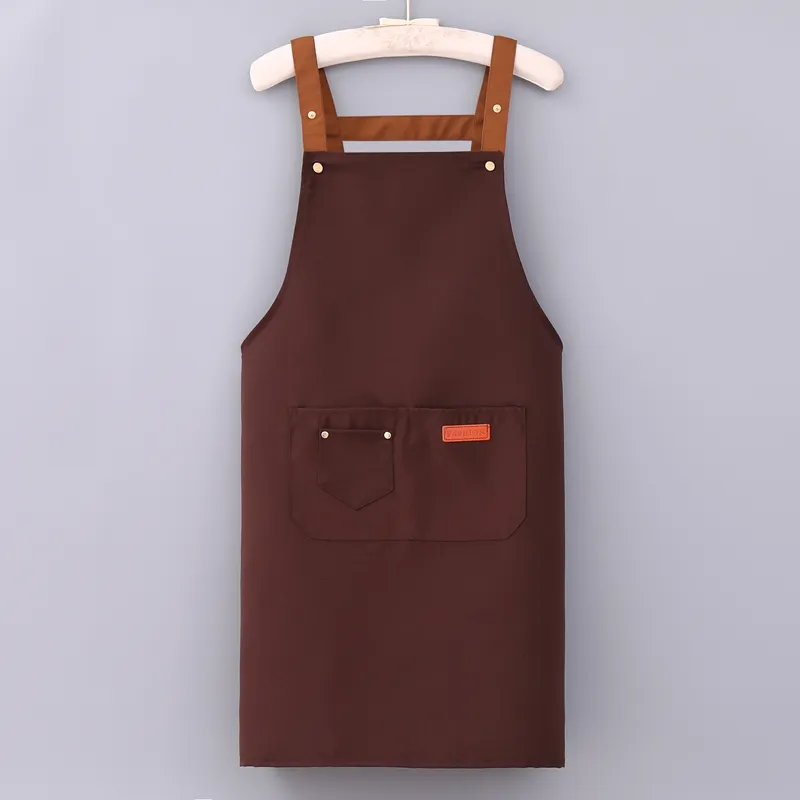
A chef apron is more than protection. It is a statement of professionalism. For chefs who work in front of customers, in open kitchens, or in settings where appearance matters, the apron must balance style and function. Choosing the right chef apron requires attention to design, fabric, fit, and features.
Style Considerations – Colors, Cuts, and Details
The style of a chef apron communicates professionalism and attention to detail. Key style elements include:
Color: Dark colors like black, navy, and charcoal hide stains and present a clean appearance throughout service. Lighter colors make a bold statement but show every mark. Consider the kitchen environment and the level of staining expected.
Cut: A well-cut apron flatters the wearer while allowing full range of motion. Bib aprons provide full coverage; cross-back styles offer a modern, streamlined look. Waist aprons are less common in professional kitchens but are appropriate for certain front-of-house roles.
Details: Contrast stitching, leather accents, and branded hardware elevate the look of a chef apron. These details signal quality and craftsmanship. Hebei Chengji Textile offers custom chef aprons with options for printed or embroidered logos, custom colors, and personalized details.
Fabric Choices – Balancing Appearance and Performance
The fabric of a chef apron affects both its appearance and its performance. Common options include:
Cotton: Classic, breathable, and comfortable. Cotton aprons have a natural, traditional look that suits many kitchens. They wrinkle more than blends and may require ironing for a crisp appearance.
Polyester-cotton blends: Wrinkle-resistant, durable, and easy to care for. These fabrics hold their shape and color through repeated washing, making them practical for busy kitchens.
Denim: Rugged and professional. Denim chef aprons offer a distinctive look that stands out from standard cotton or poly-cotton options. They are durable and become more comfortable with age.
Canvas: Heavyweight and durable. Canvas aprons are ideal for high-intensity kitchens where durability is a priority.
For a stylish chef apron that performs well, consider a cotton or poly-cotton blend in a dark color, with thoughtful detailing that reflects the kitchen's brand.
Fit – The Foundation of Functionality
A chef apron that does not fit well is neither stylish nor functional. Key fit considerations:
Length: The apron should extend from the chest to below the knee. This length provides full coverage while allowing freedom of movement. Too short, and it offers insufficient protection. Too long, and it becomes a tripping hazard.
Width: The apron should wrap around the body without gaping. Adjustable waist ties allow for a customized fit across different body types.
Neck and shoulder straps: Adjustable straps prevent the apron from hanging too low or too high. Cross-back designs distribute weight evenly and reduce neck strain.
Size range: A good chef apron should accommodate different body sizes. Hebei Chengji Textile offers custom sizing to match individual requirements.
Functional Features – Pockets, Loops, and More
A stylish chef apron must also be functional. Key features to consider:
Pockets: The right pockets keep tools within reach. A chest pocket holds pens and thermometers. Front pockets hold towels, notebooks, or small tools. Some aprons include specialized pockets for mobile devices or utensils.
Towel loops: A loop for a kitchen towel keeps it accessible without taking up pocket space.
Utility loops: Loops for tongs, whisks, or other tools add functionality.
Reinforced stitching: Double-stitched seams and reinforced stress points ensure the apron withstands daily wear.
Professional Standards – What the Industry Expects
Professional kitchens have expectations for chef aprons. The apron should be clean, pressed, and in good repair. It should be worn throughout service and removed only when leaving the kitchen.
The color and style of the apron may be specified by the kitchen's uniform policy. Some kitchens require specific colors or styles to maintain a consistent brand image. Others allow individual expression within certain guidelines.
For chefs who work in front of customers, the apron is part of the dining experience. A stylish, well-maintained apron signals professionalism and care—qualities that diners associate with good food.
A Real-World Example: A Chef's Apron Transformation
A sous chef at a busy restaurant wore the same basic cotton apron for two years. The apron was functional but uninspired. When the restaurant opened a new location with an open kitchen, the head chef asked all staff to upgrade their aprons.
The sous chef chose a dark navy chef apron from Hebei Chengji Textile with cross-back straps, a chest pocket for her thermometer, and two deep front pockets. She added a small embroidered logo on the chest. The apron looked professional, felt comfortable for 10-hour shifts, and held up through daily washing. Customers commented on the polished appearance of the kitchen staff. The sous chef felt more confident and took more pride in her work.
Frequently Asked Questions
What color chef apron is most practical?
Dark colors like black, navy, and charcoal are the most practical for professional kitchens. They hide stains and maintain a clean appearance throughout service. Lighter colors show every mark and require more frequent replacement.
What fabric is best for a chef apron?
Cotton is breathable and comfortable; polyester-cotton blends resist wrinkles and stains; denim is durable and distinctive. The best fabric depends on the kitchen environment and personal preference. Hebei Chengji Textile offers all three options.
How should a chef apron fit?
A chef apron should extend from the chest to below the knee, wrap around the body without gaping, and have adjustable straps for a customized fit. Cross-back designs distribute weight evenly and reduce neck strain.
What pockets should a chef apron have?
A chest pocket for pens and thermometers, and two deep front pockets for towels, notebooks, and small tools, are the minimum. Some aprons include specialized pockets for mobile devices or utensils.
Can chef aprons be customized with logos?
Yes. Hebei Chengji Textile offers custom chef aprons with logo options including printing, heat transfer printing, and embroidery. Custom colors, sizes, and pocket configurations are also available.
Why does a chef apron matter for professionalism?
The apron is the most visible part of a kitchen uniform. A clean, well-fitted, stylish apron signals professionalism, attention to detail, and respect for the craft. It contributes to the overall dining experience, especially in open kitchens.
Table of Contents
-
How to Choose a Chef Apron That Is Both Stylish and Functional?
- Style Considerations – Colors, Cuts, and Details
- Fabric Choices – Balancing Appearance and Performance
- Fit – The Foundation of Functionality
- Functional Features – Pockets, Loops, and More
- Professional Standards – What the Industry Expects
- A Real-World Example: A Chef's Apron Transformation
- Frequently Asked Questions