
 EN
EN
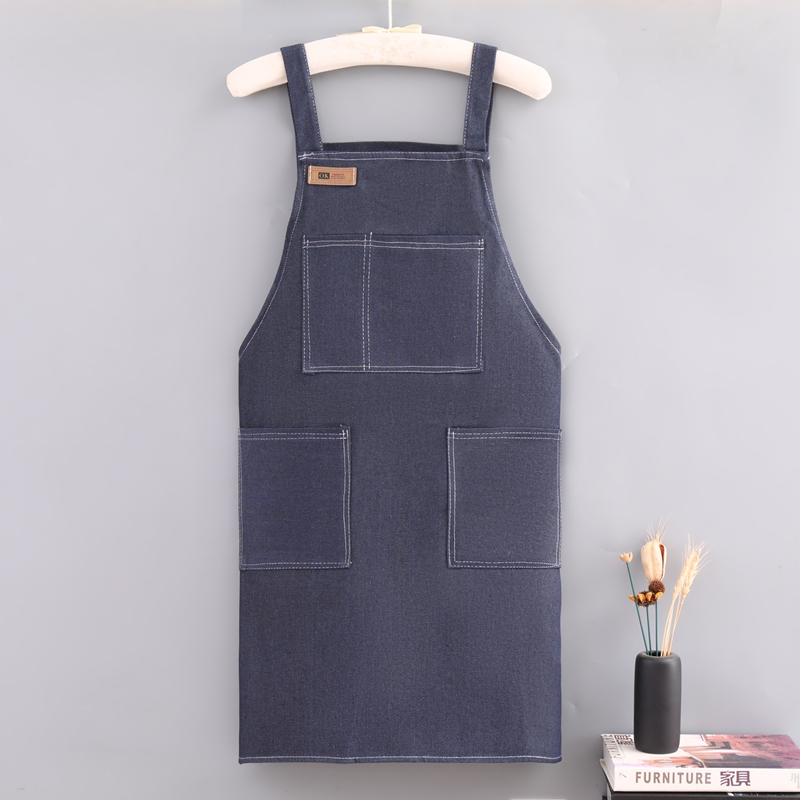
How to Choose a Soft Denim Apron for Comfortable Long Term Wear?
A chef who had worn the same denim apron for eight years refused to replace it. The fabric was soft, the fit was perfect, and the apron had molded to his body over time. His new assistant bought a stiff, heavy denim apron that chafed her neck and restricted her movement. She lasted two shifts before switching to a softer option.
Denim aprons are prized for their durability and appearance. But not all denim aprons are comfortable for long-term wear. The key is choosing the right weight, wash, and fit. A soft denim apron can last for years while providing all-day comfort.
Understanding Denim Weight – The Foundation of Comfort
Denim weight is measured in ounces per square yard. Lighter denim (8–10 oz) is more flexible and comfortable but less durable. Heavier denim (12–14 oz) is more rugged but stiffer and requires a break-in period.
For a soft denim apron, look for denim in the 8–10 oz range. This weight provides enough durability for daily use while remaining pliable and comfortable. For heavier-duty applications like workshop or barbecue use, 12 oz denim may be appropriate—but expect a longer break-in period.
Washed denim is softer than raw denim. The washing process breaks down some of the stiffness, resulting in a more comfortable fabric from day one. Hebei Chengji Textile offers washed denim aprons that are soft to the touch while maintaining the durability denim is known for.
Fabric Composition – Cotton vs. Blends
Pure cotton denim is soft, breathable, and becomes more comfortable with each wash. However, it can shrink and may wrinkle. Polyester-cotton denim blends offer greater durability and wrinkle resistance while maintaining softness.
For a denim apron that feels soft against the skin, look for a high cotton content. Aprons made with 100% cotton or a cotton-rich blend (70% cotton or higher) provide the best comfort. Blends with a small percentage of polyester add durability without sacrificing softness.
Hebei Chengji Textile produces denim aprons in pure cotton and cotton-polyester blends, allowing customers to choose the balance of comfort and durability that suits their needs.
Fit and Design – Comfort Through Proper Sizing
A denim apron that fits well is more comfortable than one that does not. Key fit considerations include:
- Length: The apron should cover from chest to mid-thigh or knee. Too short, and it offers insufficient protection. Too long, and it restricts movement.
- Width: The apron should wrap around the body without gaping at the sides. Adjustable waist ties allow for a customized fit.
- Neck strap: An adjustable neck strap prevents the apron from hanging too low or too high. Cross-back straps distribute weight more evenly than neck straps.
For long-term wear, a cross-back denim apron is often the most comfortable option. The straps cross between the shoulder blades, transferring weight to the back muscles rather than the neck. This design reduces fatigue during extended shifts.
The Break-In Period – What to Expect
New denim aprons are often stiff. This is normal. The fabric softens with wear and washing. After 5–10 washes, most denim aprons become significantly more comfortable.
To accelerate the break-in process:
- Wash the apron before wearing it for the first time
- Use fabric softener (though some prefer not to, as it can reduce durability)
- Wear the apron for short periods initially, gradually increasing wear time
- Machine dry on low heat—the tumbling action softens the fabric
Some wearers prefer the stiffness of new denim, as it provides a crisp, professional appearance. Others prioritize immediate comfort and choose washed or pre-softened denim.
Pocket Placement and Functionality
Pockets on a denim apron should be practical and well-placed. For long-term wear, consider:
- Front pockets: Deep enough to hold tools without spilling
- Chest pocket: Useful for pens, thermometers, or small notebooks
- Reinforced stitching: Prevents pockets from tearing under the weight of heavy tools
Denim aprons with too many pockets can feel bulky. Choose a pocket configuration that matches the intended use. A baker may need fewer pockets than a workshop professional.
Hebei Chengji Textile offers custom denim aprons with customizable pocket configurations, allowing customers to specify the number, size, and placement of pockets.
A Real-World Example: A Denim Apron That Lasted a Decade
A potter in North Carolina wore the same denim apron for ten years. The apron started stiff and dark blue. Over time, it softened, faded, and molded to her body. The fabric developed a patina that told the story of thousands of hours at the wheel.
When she finally needed a replacement, she chose a washed denim apron from Hebei Chengji Textile—slightly lighter weight than her original, with cross-back straps for better weight distribution. The new apron was comfortable from the first wear, and she expected it to last another decade.
Frequently Asked Questions
What is the best denim weight for a soft apron?
For a soft denim apron, look for 8–10 oz denim. This weight provides durability while remaining flexible and comfortable. Heavier denim (12–14 oz) is more rugged but stiffer and requires a break-in period.
How do I soften a stiff denim apron?
Wash the apron before wearing, use fabric softener, and machine dry on low heat. The fabric will soften naturally with wear and washing. After 5–10 washes, most denim aprons become significantly more comfortable.
Is a cross-back denim apron more comfortable than a neck-strap style?
Yes, for long-term wear. Cross-back straps distribute weight across the shoulders and back rather than hanging from the neck, reducing fatigue and neck strain during extended shifts.
Can denim aprons be customized?
Yes. Hebei Chengji Textile offers custom denim aprons with options for printing, heat transfer printing, and embroidery. Custom sizes, pocket configurations, and fabric blends are also available.
How long does a denim apron last?
With proper care, a well-made denim apron can last 5–10 years or more. The fabric becomes softer and more comfortable with age, making it a long-term investment.
What is washed denim?
Washed denim has been processed to remove some of the stiffness and shrinkage potential of raw denim. It is softer from the first wear and is less likely to shrink significantly after washing.