
 EN
EN
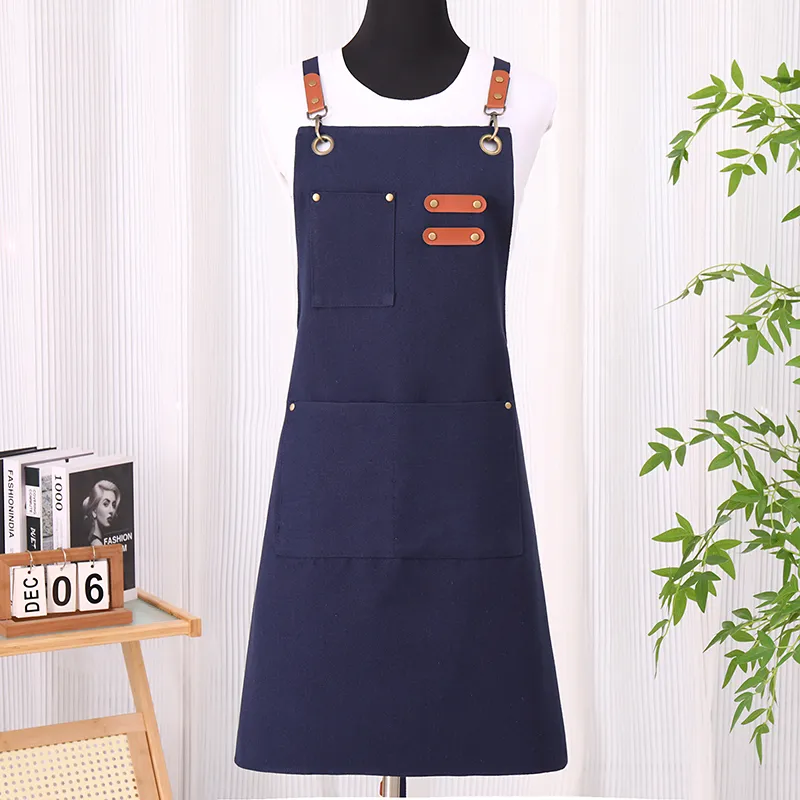
What Advantages Make a Cotton Apron a Favorite for Daily Kitchen Use?
A home cook who had been using a synthetic apron for years switched to a 100% cotton apron on a whim. The difference was immediate. The cotton apron felt softer against her skin, breathed better during long cooking sessions, and absorbed spills instead of letting them run down her legs. She never went back to synthetic.
Cotton aprons have been a kitchen staple for generations, and for good reason. The natural fabric offers advantages that synthetic materials simply cannot match. For daily kitchen use—whether at home or in a professional setting—a cotton apron delivers comfort, practicality, and durability.
Breathability – Staying Cool in a Hot Kitchen
Kitchens get hot. Between the stove, the oven, and the dishwasher, temperatures rise quickly. A cotton apron allows air to circulate, keeping the wearer cooler than synthetic alternatives.
Cotton is a natural fiber with microscopic gaps between the threads. These gaps allow heat and moisture to escape, preventing the clammy feeling that comes with polyester or nylon aprons. For anyone spending more than 30 minutes in the kitchen, breathability is not a luxury—it is a necessity.
In professional kitchens, where chefs and cooks work 8–10 hour shifts, cotton aprons reduce heat stress and improve comfort. Home cooks benefit too, especially during holiday baking sessions or summer canning projects.
Absorbency – Handling Spills Before They Reach Clothing
Cotton absorbs moisture more effectively than synthetic fabrics. When a spill happens—and in the kitchen, spills are inevitable—a cotton apron absorbs the liquid rather than letting it bead up and run off.
This absorbency has two benefits. First, it keeps the wearer's clothing dry. Second, it prevents spills from dripping onto the floor, reducing slip hazards. A cotton apron acts as a first line of defense against kitchen messes.
For bakers working with flour and water, cotton's absorbency is particularly valuable. Wet dough or batter that lands on a cotton apron gets absorbed quickly, minimizing the mess. On a synthetic apron, the same spill would slide off onto the counter or floor.
Softness and Comfort – Gentle on Skin
Cotton is soft against the skin, making it comfortable for extended wear. Unlike synthetic fabrics that can feel scratchy or stiff, cotton becomes softer with each wash. Many cooks report that their cotton aprons feel like a favorite t-shirt after a few cycles through the laundry.
For people with sensitive skin, cotton is a safe choice. It is hypoallergenic and does not irritate the skin. Synthetic fabrics, by contrast, can cause chafing or allergic reactions in some individuals.
The comfort of a cotton apron is not just about feel—it affects performance. A comfortable apron stays in place, does not distract the wearer, and allows full range of motion. Cotton's natural stretch and drape contribute to this ease of movement.
Durability – Withstanding Daily Wear and Washing
Cotton is surprisingly durable. A well-made cotton apron can last for years with proper care. The fabric holds up to frequent washing, maintains its shape, and does not pill or fade excessively.
For daily kitchen use, durability matters. An apron that falls apart after a few months is not a good investment. Cotton aprons from reputable manufacturers like Hebei Chengji Textile are constructed with reinforced seams and quality stitching, ensuring longevity.
Cotton does require some care. It can shrink if washed in hot water or dried on high heat. Washing in cold or warm water and air drying or using low heat preserves the fabric. Many cotton aprons are machine washable, making them easy to maintain.
Easy Cleaning – Stain Release and Washability
Cotton aprons are easy to clean. Most stains wash out with standard laundry detergent. For tougher stains—tomato sauce, oil, or chocolate—pre-treating with a stain remover usually does the trick.
The natural fibers of cotton release stains more readily than synthetic fabrics. Polyester, by contrast, can trap oils and odors, requiring specialized cleaning products. Cotton's cleanability makes it a practical choice for busy kitchens.
Hebei Chengji Textile produces cotton aprons that are designed for easy care. The aprons are machine washable and maintain their appearance through repeated use. For custom orders, the company offers fabric options including pure cotton, polyester-cotton blends, and denim.
Environmental Considerations – A Sustainable Choice
Cotton is a renewable resource. Unlike polyester, which is derived from petroleum, cotton comes from a plant. For environmentally conscious consumers, a cotton apron is a more sustainable choice.
Organic cotton options are available for those who want to minimize environmental impact. These aprons are grown without synthetic pesticides or fertilizers, reducing the ecological footprint of the garment.
Cotton is also biodegradable. At the end of its useful life, a cotton apron will break down naturally, unlike synthetic aprons that persist in landfills for decades.
A Real-World Example: Switching to Cotton in a Busy Family Kitchen
A family of five went through three synthetic aprons in two years. The aprons frayed at the edges, lost their shape, and developed persistent odors. The mother switched to cotton aprons from Hebei Chengji Textile—one for each family member who cooked regularly.
The cotton aprons lasted longer, felt more comfortable, and did not retain cooking odors. After six months of daily use and weekly washing, the aprons looked almost new. The family saved money on replacements and enjoyed a more pleasant cooking experience.
Frequently Asked Questions
Why is cotton better than polyester for kitchen aprons?
Cotton is more breathable, more absorbent, and softer against the skin than polyester. It also releases stains more easily and is more comfortable for extended wear. Polyester may be more wrinkle-resistant, but cotton outperforms it in comfort and practicality.
Are cotton aprons machine washable?
Yes. Most cotton aprons are machine washable. Washing in cold or warm water and using low heat for drying preserves the fabric and prevents shrinkage. Always check the care label for specific instructions.
Do cotton aprons shrink?
Cotton can shrink if washed in hot water or dried on high heat. To prevent shrinkage, wash in cold or warm water and air dry or use a low heat setting. Pre-shrunk cotton fabrics are also available.
How long does a cotton apron last?
With proper care, a well-made cotton apron can last 2–5 years or more with daily use. Hebei Chengji Textile's cotton aprons are constructed with reinforced seams and quality materials for durability.
Is cotton absorbent enough for kitchen spills?
Yes. Cotton absorbs moisture effectively, making it ideal for kitchen use. It will absorb spills rather than letting them run off, protecting clothing and reducing slip hazards.
Can cotton aprons be customized?
Yes. Hebei Chengji Textile offers custom cotton aprons with options for printing, heat transfer printing, and embroidery. Custom sizes, colors, and pocket configurations are also available.
Table of Contents
-
What Advantages Make a Cotton Apron a Favorite for Daily Kitchen Use?
- Breathability – Staying Cool in a Hot Kitchen
- Absorbency – Handling Spills Before They Reach Clothing
- Softness and Comfort – Gentle on Skin
- Durability – Withstanding Daily Wear and Washing
- Easy Cleaning – Stain Release and Washability
- Environmental Considerations – A Sustainable Choice
- A Real-World Example: Switching to Cotton in a Busy Family Kitchen
- Frequently Asked Questions