 EN
EN
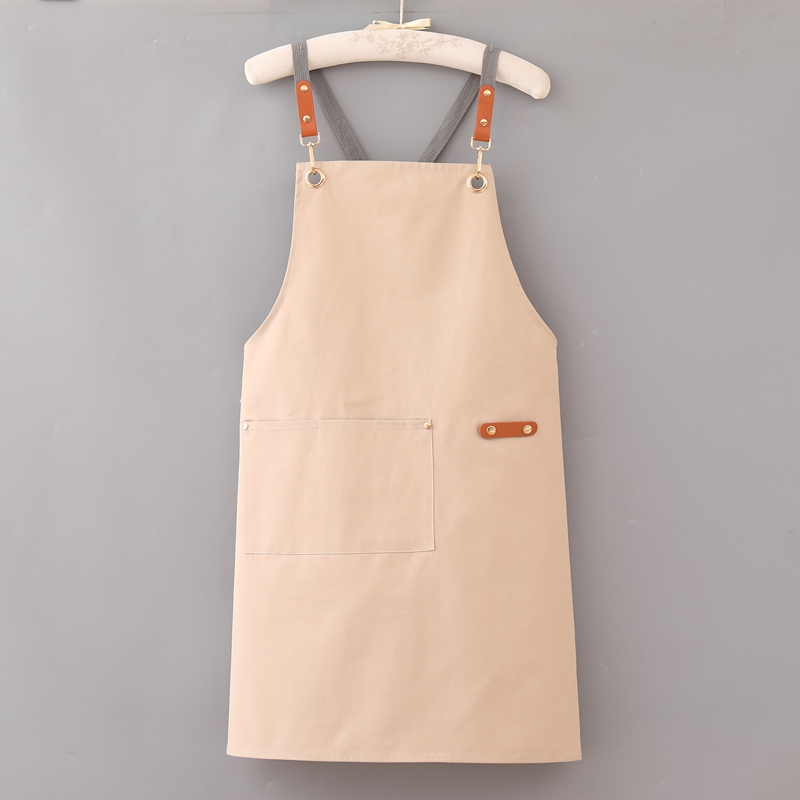
ហេតុអ្វីបានជាអាវក្រៅប៉ាក់ ១០០% ដែលមានទម្ងន់មធ្យម គឺល្អបំផុតសម្រាប់ការតំណាក់
ទម្ងន់សារធាតុ និងចំនួនខ្សែ: ការការពារការប៉ះទង្គិច (Puckering) ប្រឆាំងនឹងសារធាតុដែលប៉ះទង្គិច
នៅពេលដែលការតុបតែងដោយការស្តោបគឺជាបញ្ហាដែលត្រូវគិតគូរ អាវកាក់ដែលផ្សំពីសំពាធផ្សែងៗគឺមានទម្ងន់ចន្លោះ ១៣០ ដល់ ១៩០ ក្រាម/ម៉ែត្រការ៉េ គឺសមស្របបំផុត។ ទម្ងន់ទាំងនេះរក្សាទុកនូវភាពរឹងមាំរបស់សំពាធ ជៀសវាងការប្រមូលជាប់គ្នានៃសំពាធ និងរក្សាទុកនូវភាពអាចបត់ប៉ែនបានដើម្បីទទួលយកការប្រមូលផ្តុំនៃខ្សែស្តោប។ សំពាធប៉ាក់សំពាធ (quilting fabric) ធ្វើពីសំពាធផ្សែងៗគឺល្អណាស់សម្រាប់ការប្រើប្រាស់ក្នុងការប្រមូលផ្តុំសំពាធ (hoop tension) ជាពិសេសសម្រាប់ផ្នែកដែលមានការបត់ប៉ែនស្មុគស្មាញ ដូចជាប៉ូកេតកាក់នៅតំបន់ក្រាស់ និងប៉ូកេតកាក់សម្រាប់តុបតែងផ្នែកខាងមុខ។ វាត្រូវបានផលិតពីសំពាធ ដែលមានការរៀបចំខ្សែស្មើគ្នាយ៉ាងស្មើស្មាន ដែលមានចន្លោះ ៦០–៨០ ខ្សែក្នុងមួយអ៊ីញ ដែលជួយកាត់បន្ថយការធ្លាក់ចុះ ឬធ្លាក់ចេញនៃខ្សែស្តោប។ ប្រសិនបើអ្នកប្រើម៉ាស៊ីនស្តោបជ្រើសរើសសំពាធដែលស្រាលជាង ពួកគេនឹងប្រឈមនឹងគ្រោះថ្នាក់នៃការស្តោបមិនល្អ។ សំពាធផ្សែងៗដែលមានទម្ងន់ច្រើនជាងនេះគឺគ្រោះថ្នាក់ជាង ព្រោះវាអាចប៉ះពាល់ដល់ម្ជុល ឬប៉ះពាល់ដល់ម៉ាស៊ីន។ សំពាធផ្សែងៗត្រូវបានជ្រើសរើសសម្រាប់ឧស្សាហកម្មនេះ ព្រោះវាអាចទប់ទល់នឹងការលាងធម្មតា ឬលាងខ្លាំងជាងធម្មតា ដោយរក្សាទុកនូវភាពរឹងមាំនៃខ្សែស្តោបបានយ៉ាងខ្ពស់។ ចំពោះសំពាធដែលផ្សំពីប៉ូលីអេស្ទ័រ និងផ្សែងៗ ការរក្សាទុកនេះគឺប្រហែល ៩៨%។ ការដែលសំពាធមួយប្រភេទអាចទប់ទល់នឹងការលាងពាណិជ្ជកម្មចំនួន ៥០ ដង ដោយរក្សាទុកនូវភាពរឹងមាំនៃខ្សែស្តោបបាន ៩៨% គឺជារឿងដ៏អស្ចារ្យណាស់ ជាពិសេសចំពោះអាវកាក់ដែលផលិតពីសំពាធដែលនឹងត្រូវបានប្រើប្រាស់យ៉ាងច្រើន និងប្រឈមនឹងការប្រើប្រាស់យ៉ាងធ្ងន់ធ្ងរ។
បាក់ស៊ីកាមានលក្ខណៈធម្មជាតិដែលគ្មានអ្វីផ្សេងទេក្រៅពីសារធាតុធម្មជាតិ ហើយស្រូបយកតែសារធាតុប៉ារ៉ាម៉ែត្រសម្រាប់ប៉ះប៉ូវខ្សែប៉ុណ្ណោះ ដែលធ្វើឱ្យការប៉ះប៉ូវមានភាពច្បាស់លាស់។ បាក់ស៊ីកាមានរចនាសម្ព័ន្ធសែល៉ូលូស៍ធម្មជាតិ ហើយស្រូបយកសារធាតុប៉ារ៉ាម៉ែត្រដែលបណ្តាលឱ្យរូបភាពមិនច្បាស់។ បាក់ស៊ីកាមានលក្ខណៈអាចដកដង្ហើមបានតាមសារធាតុសំពាធបាក់ស៊ីការ ហើយរក្សាទុកឱ្យការប៉ះប៉ូវត្រជាក់ជាងមុន។ ការសិក្សាមួយចំនួនបានបង្ហាញថា ការប្រើបាក់ស៊ីកាអាចបន្ថយភាពអស់កម្លាំងរបស់អ្នកប៉ះប៉ូវបានរហូតដល់ ៣០% ប្រៀបធៀបទៅនឹងការប្រើសារធាតុសំយោគ។ បាក់ស៊ីកាក៏រក្សាទុករាង និងរូបរាងដើមរបស់វាបានយូរ ទោះបីជាប្រើបានច្រើនដងក្នុងការប៉ះប៉ូវ និងមិនប៉ះពាល់ដល់រាង ឬមិនប៉ះពាល់ដល់ការយឺតរាយនៅពេលប៉ះប៉ូវច្រើនដងក៏ដែរ។ បាក់ស៊ីកាមានគុណភាពល្អក៏អាចទប់ទល់នឹងការរលាយនៅពេលប៉ះប៉ូវលឿនខ្ពស់ (លើសពី ៧០០ ដងក្នុងមួយនាទី) ហើយបន្តប៉ះប៉ូវដោយមានគែមច្បាស់លាស់។
បាក់ស៊ីកាអ៊ីណូរ៉ានិក ប្រៀបធៀបនឹងបាក់ស៊ីកាធម្មតា – ផលប៉ះពាល់លើស្ថេរភាពការប៉ះប៉ូវ វិញ្ញាបនប័ត្របរិស្ថាន និងភាពធន់
សម្ភារៈប៉ាក់កប្បាសអុរ្គានិក និងប៉ាក់កប្បាសធម្មតាទាំងពីរសម្របសម្រាប់ការតេចេញគំនូរបានល្អ ប៉ុន្តែមានភាពខុសគ្នាជាក់ស្តែង។ សរសៃនៅក្នុងកប្បាសអុរ្គានិកមានប្រវែងជាមធ្យម ១,២៥ អ៊ីញ ខណះដែលសរសៃកប្បាសធម្មតាមានប្រវែង ០,៩ អ៊ីញ ដែលផលិតបានជាប៉ាក់ដែលរលើនជាង ហើយមានសារធាតុរលួយតិចជាងក្នុងពេលតេចេញគំនូរ។ ការខុសគ្នានេះមានសារៈសំខាន់ជាពិសេសចំពោះព័ត៌មានលម្អិតតូចៗ ដូចជាអក្សរដែលមានទំហំតិចជាង ៤ មីលីម៉ែត្រ ព្រោះសារធាតុរលួយរាល់ប៉ះប៉ះតូចៗនីមួយៗអាចប៉ះពាល់ដល់ភាពច្បាស់លាស់នៃព័ត៌មានលម្អិត។ ពណ៌នៅលើកប្បាសដែលមានវិញ្ញាបនប័ត្រ GOTS នៅតែរក្សាបាននូវភាពភ្លឺថ្លាជាង ៤០% ក្នុងរយៈពេលលាង ដែលធ្វើឱ្យវាមានភាពប្រសើរជាងកប្បាសធម្មតាដែលគ្មានម៉ាក។ ការពិតនេះពិតជាមានសារៈសំខាន់ជាពិសេសចំពោះអាវការពារដែលមានម៉ាក (branded cotton aprons) ដែលតម្រូវឱ្យសម្ភារៈមានរូបរាងថ្មីស្រស់សម្រាប់ការបង្ហាញម៉ាក។ ខ្សែសាទីន និងខ្សែមេតាលីកក៏ផ្តល់លទ្ធផលប្រសើរជាងនៅលើសម្ភារៈកប្បាសធម្មតាដែលមានសរសៃប្រែប្រួលជាង ដោយសារតែសរសៃរបស់វាត្រូវបានប្រែប្រួលយ៉ាងជិតស្និត។ កប្បាសភាគច្រើន ដែលប្រើស្ថេរភាព (stabilizers) ត្រឹមត្រូវ និងការឌីជីថាល់ (digitizing) ល្អ អាចរក្សាបានយ៉ាងហោចណាស់ ៧៥ ដងនៃការលាង ដែលត្រូវការដើម្បីឆ្លងការលាងប្រកបដោយពាណិជ្ជកម្ម។
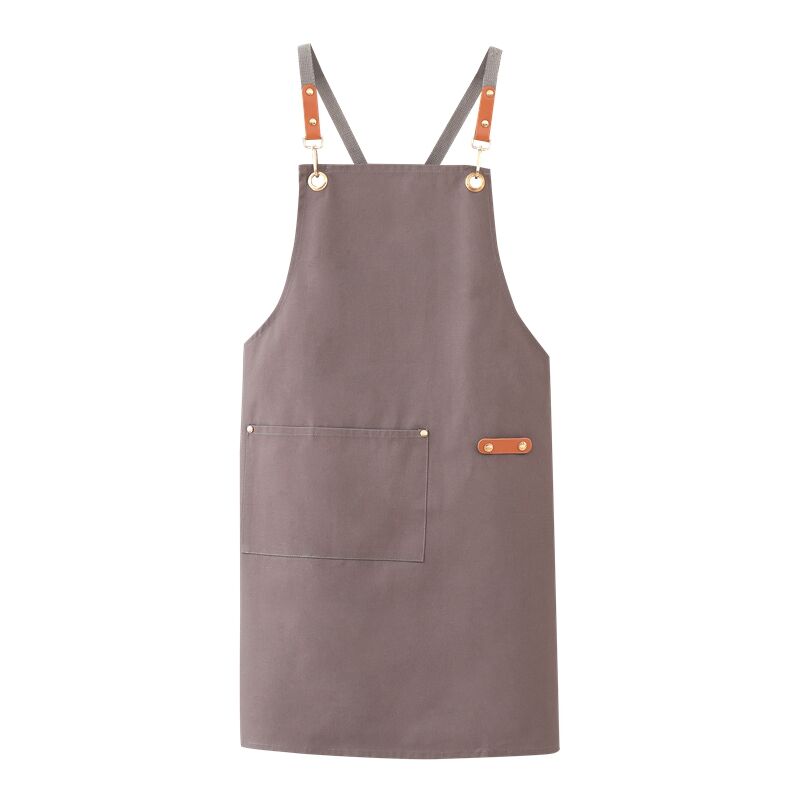
ភាពធន់នៃការតេចេញគំនូរលើអាវការពារកប្បាសបន្ទាប់ពីលាងច្រើនជាង ៥០ ដង
សាកសិទ្ធិភាពនៃការតោច ជម្រើសនៃខ្សែដែលប្រើ (ប៉ូលីអេស្ទ័រ ឬ រ៉ាយអូន) និងប្រភេទម្ជុល
សាកសិទ្ធិភាពនៃការតោចមានទំនាក់ទំនងផ្ទាល់ទៅនឹងអាយុកាល និងរូបរាងនៃការតោច។ ចំនួនសរសៃតោចដែលល្អបំផុតគឺជាជួរដែលមានចាប់ពី ៦,០០០ ដល់ ៧,០០០ សរសៃក្នុងមួយអ៊ីញការ៉េ។ វាផ្តល់នូវការចាប់កាន់ដែលល្អ ដោយគ្មានការប៉ះពាល់ដល់ផ្ទៃសម្បក។ ជម្រើសនៃខ្សែក៏គួរតែយកមកពិចារណាដែរ។ ខ្សែប៉ូលីអេស្ទ័រមានស្ថេរភាពបានល្អជាងខ្សែរ៉ាយអូនតាមពេលវេលា។ បន្ទាប់ពីលាង ៥០ ដង ខ្សែប៉ូលីអេស្ទ័រនៅសល់កម្លាំងដើមរបស់វាប្រហែល ៩៥% ខណៈដែលខ្សែរ៉ាយអូននៅសល់កម្លាំងដើមរបស់វាប្រហែល ៧០% ដល់ ៨០%។ ជម្រើសនៃម្ជុលក៏សំខាន់ដែរ។ ម្ជុលទំហំ ៧៥/១១ គឺល្អបំផុតសម្រាប់សម្ភារៈបាវ៉ាត់ដែលមានទម្ងន់មធ្យម។ វាជួយកាត់បន្ថយការបាត់បង់សរសៃតោច និងការខូចខាតសារធាតុ។ សញ្ញាណដែលតោចនៅលើអាវសម្លៀកប៉ះគួររក្សារាង និងភាពច្បាស់លាស់របស់វាបាន ទោះបីជាប្រើប្រាស់ជាប្រចាំរាល់ថ្ងៃក្នុងបរិយាកាសផ្ទះបាយដែលមានសកម្មភាពខ្លាំងក៏ដោយ។
ការសាកល្បងលាងក្នុងស្ថានភាពជាក់ស្តែង៖ ការបង្រួម ការរីង និងភាពធន់នៃពណ៌នៅលើអាវសម្លៀកប៉ះបាវ៉ាត់ដែលពេញនិយមបំផុត
បន្ទាប់ពីការសាកល្បងលាង យើងអាចផ្តល់ការវាយតម្លៃគុណភាពដែលទូទៅសម្រាប់អាវសម្លៀកប៉ះបាវ៉ាត់ដែលមានគុណភាពខ្ពស់របស់យើង៖
អាវការពារដែលធ្វើពីសំពាធដែលមានគុណភាពខ្ពស់ជាងមធ្យមនៅក្នុងវិស័យ
ការបង្រួម ±5% ±3% បន្ទាប់ពីលាង ៥០ ដង
កម្រិតភាពធន់នឹងការបាត់បង់ពណ៌ ៣–៤ កម្រិត ៤+ (ISO 105-C06)
ការរីកចេញនៃខ្សែដេរ ស្រាល ហើយស្ទើរតែគ្មាន
ភាពរឹងមាំនៃជើងដេរ ដេរតែមួយជើង ហើយបន្ថែមការដេរជើងបន្ថែមដោយប្រើវិធីសាស្ត្រ serging
សំពាធដែលមានភាពធន់នឹងពន្លឺ បានបង្រួមរួចហើយ និងបានប៉ះពណ៌ដោយប្រើវិធីសាស្ត្រ vat-dyed ដែលអាចទប់ទល់នឹងសាប៊ូឧស្សាហកម្ម និងដំណាំលាងដែលមានសីតុណ្ហភាពខ្ពស់។ ចំណុចដែលបណ្តាលឱ្យមានការរំខានត្រូវបានដកចេញដោយការដេរជើងពីរជើង និងការដេរជើងបន្ថែមនៅជ្រុង។ ក្នុងអំឡុងពេលដំណាំលាង ខ្សែដេរដែលបានប្រើរ៉េសីនព្យាបាល នឹងធ្វើឱ្យការដេរមានភាពច្បាស់លាស់ និងឆ្លុះពណ៌បានល្អបំផុត — ដែលធ្វើឱ្យអាវការពារដែលបានដេរដោយវិជ្ជាជីវៈ សាកសមបំផុតសម្រាប់បរិវេណសេវាកម្ម ដែលការដេរអាវការពារគឺជាការទាមទារជាប្រចាំ។
វិធីសាស្ត្រដែលបានបញ្ជាក់ថាមានប្រសិទ្ធភាពសម្រាប់ការដេរលើអាវការពារដែលធ្វើពីសំពាធ
ជម្រើសនៃស្ថេរភាព (Stabilizer): Cutaway ឬ Tearaway សម្រាប់សំពាធដែលមានទម្ងន់មធ្យម
លទ្ធផលល្អមកពីការជ្រើសរើសស្ថេរភាពដែលត្រឹមត្រូវ។ ស្ថេរភាពប្រភេទ Cutaway ត្រូវបានណែនាំយ៉ាងខ្លាំងសម្រាប់ស្លាក ឬអក្សរដែលមានចំនួនដេរខ្ពស់ ព្រោះវាអាចបង្ការការផ្លាស់ទីរបស់ក្រណាត់ និងការបាត់បង់គុណភាពដេរបានយ៉ាងមានប្រសិទ្ធិភាព។ ការធ្វើតេស្តជាច្រើនបានបង្ហាញថា វាអាចរក្សាគុណភាពដេរបានលើសពី ៩៨% បន្ទាប់ពីឆ្លងកាត់ការលាង ៥០ ដង។ ភាគច្រើននៃអ្នកប្រើប្រាស់និយាយថា វាគឺជាជម្រើសល្អបំផុតសម្រាប់តំបន់ដែលមានសម្ពាធខ្ពស់នៅលើអាវការពារ ដូចជាបរិវេណកាយ និងបរិវេណដើម។ ចំពោះការរចនាដែលមានភាពសាមញ្ញជាង និងស្ថិតនៅលើតំបន់តូច ឬមានរាងប៉ោង ដូចជាប៉ុកេត ស្ថេរភាពប្រភេទ Tearaway គឺល្អជាង។ វាផ្តល់នូវការគាំទ្របណ្តះបណ្តាញ់ដែលត្រឹមត្រូវក្នុងអំឡុងពេលដេរ ហើយបន្ទាប់មកអាចដកចេញបានស្អាត ដោយគ្មានសំរាម ឬការបន្ថែមភាពក្រាស់។
ប្រភេទស្ថេរភាព សម្រាប់ វិធីដកចេញ អត្ថប្រយោជន៍សំខាន់
Cutaway សម្រាប់ការរចនាដែលមានសារធាតុដេរក្រាស់ ឬតំបន់ដែលមានសម្ពាធខ្ពស់ កាត់ផ្នែកលើសចេញជុំវិញការរចនា ការគាំទ្រអចិន្ត្រៃយ៍បង្ការការយ៉ាង
Tearaway សម្រាប់ការរចនាសាមញ្ញលើផ្ទៃដែលមានរាងប៉ោង ដកចេញបន្ទាប់ពីដេរ ការដកចេញបានស្អាតបន្ថយភាពក្រាស់
យុទ្ធសាស្ត្រការដាក់ក្នុងហ្វ្រេម (Hooping) ដើម្បីបង្ការការប៉ះពាល់ដល់រាងប៉ោងនៅលើផ្នែក Bibs ប៉ុកេត និងខ្សែកាប
ការលុបបំបាត់ភាពតានតឹងនៅពេលដេរក្រណាត់ជារង្វង់ជួយរក្សាអ្វីៗគ្រប់យ៉ាងឱ្យតម្រឹមបានល្អ។ ជាមួយនឹងក្រណាត់ប៉ាក់ សារធាតុស្អិតបាញ់បណ្ដោះអាសន្នស្រាលៗជំនួសឱ្យការដេរជារង្វង់តឹងខ្លាំងដំណើរការ។ នេះអនុញ្ញាតឱ្យក្រណាត់រក្សារាងធម្មជាតិរបស់វាដោយមិនរួញ។ សម្រាប់ហោប៉ៅ មិនចាំបាច់ដេរជារង្វង់ហោប៉ៅទាំងមូលទេ។ គ្រាន់តែហោប៉ៅខ្លួនឯងជាមួយនឹងឧបករណ៍ទប់លំនឹងដែលអាចដោះចេញបាន វិធីនោះថ្នេរនឹងមិនសម្គាល់ផ្នែកខាងមុខនៃអាវផាយទេ។ សម្រាប់ចង្កេះ មនុស្សភាគច្រើនយល់ថាការដេរជារង្វង់ពីគែមមួយទៅគែមមួយជាមួយនឹងការកាត់ចេញនៅពីក្រោយវាដំណើរការល្អ។ នេះរក្សាភាពតានតឹងស្មើគ្នានៅទូទាំងតំបន់រាងសាជី។ យោងតាមអ្នកជំនាញមួយចំនួន វិធីសាស្រ្តទាំងនេះអាចកាត់បន្ថយបញ្ហាតម្រឹមបាន 40% បើប្រៀបធៀបទៅនឹងការដេរជារង្វង់ធម្មតា (យោងតាមការស្ទង់មតិឧស្សាហកម្មសិប្បកម្ម ឆ្នាំ 2023)។ ដូចគ្នានេះដែរ តែងតែពិនិត្យមើលដង់ស៊ីតេថ្នេរ និងជម្រៅម្ជុលលើសំណល់ដែលធ្វើពីកប្បាសដូចគ្នា មុនពេលចាប់ផ្តើមផលិតកម្មពេញលេញ។
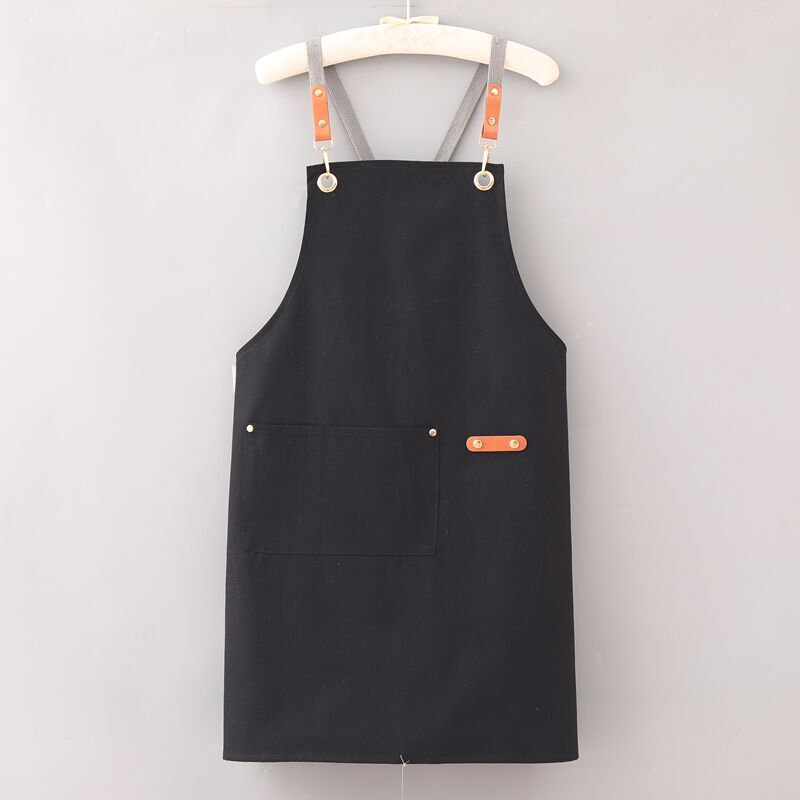
ការប្រែប្រួលបុគ្គលិកសម្រាប់ប៉ះពាល់អត្ថប្រយោជន៍អតិបរមា៖ ការដាក់ទីតាំង ប្រភេទអក្សរ និងការរចនា
ទីតាំងដេរដែលល្អបំផុតលើអាវអាប្រ៉ុនប្រើសំពាធបាក់ (cotton apron)៖ ផ្នែកដើមទ្រូង ហោប៉ៅ ផ្នែកប៉ាក់ និងផ្នែកខ្សែកាប់
ក្នុងការតេចសំពត់ ការដាក់ទីតាំងនៃផ្ទះសំពត់ សញ្ញាប៉ាក់ និងរូបរាងអាចប៉ះពាល់ដល់ការមើលឃើញ ភាពជាប់គ្រង និងប្រសិទ្ធភាព។ តំបន់ដើមទ្រូងគឺជាទីតាំងដែលគេចូលចិត្តប្រើសម្រាប់ការផ្សព្វផ្សាយយ៉ាងច្រើន ប៉ុន្តែការបង្ហាប់រូបរាងអាចបណ្តាលឱ្យមានការប៉ះពាល់ដល់ផ្ទះសំពត់។ សញ្ញាប៉ាក់ និងផ្ទះសំពត់នៅលើហោប៉ៅអាចមានស្ថេរភាពគ่อนសោះដោយសារតែរូបរាងរបស់វាមានលក្ខណៈរាបស្មើ ប៉ុន្តែគួរប្រុងប្រយ័ត្នចំពោះខ្សែសំពត់ ព្រោះវាអាចប៉ះពាល់ដល់រូបរាង។ តំបន់ខ្សែកាប (waistband) គឺជាទីតាំងដែលអាចប្រើសម្រាប់រូបរាង ប៉ុន្តែវាអាចប៉ះពាល់ដល់ការតេចសំពត់ដោយសារការប៉ះទង្គិចជាប់គ្នាជាប់គ្នាជាប់គ្នាជាប់គ្នាជាប់គ្នាជាប់គ្នាជាប់គ្នាជាប់គ្នាជាប់គ្នាជាប់គ្នាជាប់គ្នាជាប់គ្នាជាប់គ្នាជាប់គ្នាជាប់គ្នាជាប់គ្នាជាប់គ្នាជាប់គ្នាជាប់គ្នាជាប់គ្នាជាប់គ្នាជាប់គ្នាជាប់គ្នាជាប់គ្នាជាប់គ្នាជាប់គ្នាជាប់គ្នាជាប់គ្នាជាប់គ្នាជាប់គ្នាជាប់គ្នាជាប់គ្នាជាប់គ្នាជាប់គ្នាជាប់គ្នាជាប់គ្នាជាប់គ្នាជាប់គ្នាជាប់គ្នាជាប់គ្នាជាប់គ្នាជាប់គ្នាជាប់គ្នាជាប់គ្នាជាប់គ្នាជាប់គ្នាជាប់គ្នាជាប់គ្នាជាប់គ្នាជាប់គ្នាជាប់គ្នាជាប់គ្នាជាប់គ្នាជាប់គ្នាជាប់គ្នាជាប់គ្នាជាប់គ្នាជ...... ផ្ទះសំពត់នៅលើផ្ទះសំពត់បានរកឃើញថាមានអត្រាប៉ះពាល់ដល់ចំណុចសំពត់ប្រហែល ៣០% តិចជាងផ្ទះសំពត់នៅលើខ្សែកាប បន្ទាប់ពីការលាងជាច្រើនដង។ ទាំងអស់នេះមានន័យថា គេគួរពិចារណាលើគោលបំណងនៃរូបរាង ដើម្បីទទួលបានប្រសិទ្ធភាពខ្ពស់បំផុតពីការតេចសំពត់។
ដើមទ្រូង/ផ្ទះសំពត់៖ ទីតាំងល្អបំផុតសម្រាប់ការផ្សព្វផ្សាយយ៉ាងច្បាស់ (រូបរាង ±៤”)
ហោប៉ៅ៖ ល្អបំផុតសម្រាប់ការតេចសំពត់ដែលមានសញ្ញាប៉ាក់ (ជាទូទៅមិនមើលឃើញ) និងខ្សែសំពត់
ខ្សែកាប៖ ល្អបំផុតសម្រាប់រូបរាងសាមញ្ញ
ជម្រើសអក្សរ និងអក្សរកាត់៖ ភាពច្បាស់លាស់ ទំហំ និងភាពស៊ីគ្នានៃទម្រង់ជាមួយរូបរាងសំពត់ប៉ាក់
ការជ្រើសរើសអក្សរមានឥទ្ធិពលខ្លាំងណាស់លើការផ្សព្វផ្សាយយ៉ាងច្បាស់ និងភាពអាចអានបាននៃការរចនា ហើយភាពធន់នៃការរចនាបន្ទាប់ពីការតែងតាំងក៏អាស្រ័យលើការជ្រើសរើសអក្សរដែរ។ ឧទាហរណ៍ អក្សរដែលគ្មានគែម (sans serif) ដូចជា Arial ប្រាកដថានឹងនៅតែអាចអានបាន និងច្បាស់លាស់ ទោះបីជានៅទំហំតូចបំផុត គឺ ១/២ អ៊ីញក៏ដោយ។ អក្សរប្រភេទស្ក្រីប (scripted) មើលទៅល្អសម្រាប់ការតែងតាំងឈ្មោះ (monogramming) ប៉ុន្តែកម្ពស់អក្សរគួរតែធំជាង ឬស្មើនឹង ១ អ៊ីញ បើមិនដូច្នេះទេ ខ្សែដែលតែងតាំងអាចបែកបាក់។ សាកល្បងដាក់អត្ថបទនៅក្នុង ៧០% នៃតំបន់តែងតាំង ដើម្បីឱ្យមានសមាមាត្រល្អ ប៉ុន្តែកុំឱ្យលើសពីការប៉ះទង្គិលនៃខ្សែ និងចន្លោះ គឺ ៧០០០ ខ្សែក្នុងមួយស៊ីង៉េកម៉ែត្រការ៉េ ព្រោះវានឹងធ្វើឱ្យក្រណាត់បាវ៉ាំងក្លាយជាស្អិត។ សាកល្បងប្រើស្ទាយល៍អក្សរ និងការរចនាដែលស័ក្តិសម និងស័ក្តិសមនឹងប្រធានបទនៃអាវការពារ។ សមត្ថភាពរបស់មនុស្សក្នុងការមើលឃើញអត្ថបទដែលតែងតាំងនៅក្នុងបរិវេណបាយដែលមានពន្លឺតិច អាស្រ័យយ៉ាងខ្លាំងលើការជ្រើសរើសពណ៌ខ្សែ។ ពណ៌ងងឹតដូចជាពណ៌ខៀវស្រមោល (navy blue) ផ្ទះជាមួយពណ៌ស្រាលដូចជាពណ៌ក្រេម ដើម្បីជួយធ្វើឱ្យបរិវេណបាយងងឹតជាងមុន។
FAQ
តើទម្ងន់សម្ភារៈណាដែលល្អបំផុតសម្រាប់ការតែងតាំងលើអាវការពារបាវ៉ាំង?
អាវក្រៅប៉ាក់ដែលមានទម្ងន់មធ្យម ដែលមានកម្រិតសារធាតុរវាង ១៣០ ដល់ ១៩០ ជីអេសអេម (GSM) ជាជម្រើសល្អបំផុតសម្រាប់ការតុបតែងដោយការចំណាក់ ព្រោះវាផ្តល់នូវសមាមាត្រដែលត្រឹមត្រូវ ដើម្បីការពារការប្រមូលគ្នារបស់ស្បែកដែលបណ្តាលមកពីគំរូស្ថិតិចិត្តដែលមានភាពជាប់គ្នាខ្លាំង ហើយស្បែកនេះនឹងនៅតែគាំទ្រការតុបតែងបាន។
ហេតុអ្វីបានជាប៉ាក់ត្រូវបានប្រើសម្រាប់ការតុបតែង ជាជាងស្បែកសំយោគ?
ការតុបតែងនៅតែមានភាពច្បាស់លាស់ ដោយសារតែប៉ាក់មានលក្ខណៈងាយស្រួលក្នុងការធ្វើការ ដូចជាភាពធន់នឹងកំដៅ សមត្ថភាពស្រូបយក ស្ថេរភាព និងសមត្ថភាពដកខ្យល់ ព្រមទាំងលក្ខណៈផ្សេងៗទៀត។
ប្រសិនបើខ្ញុំចង់តុបតែងអាវក្រៅប៉ាក់ តើគ្រឿងបរិក្ខារតុបតែងណាដែលនឹងរក្សាបានយូរបំផុត?
សម្រាប់ភាពធន់នឹងការប្រើប្រាស់ជាមួយការតុបតែង អាវក្រៅប៉ាក់ដែលមានទម្ងន់មធ្យមគួរប្រើប្រាស់ម៉ាស៊ីនចំណាក់ដែលមានទំហំ ៧៥/១១ ដែលមានចុងមួយជាប់គ្នាជាងគេ រួមជាមួយខ្សែប៉ូលីអេស្ទ័រដែលមានភាពរឹងមាំ។ វានឹងអាចទប់ទល់នឹងស្បែកប៉ាក់ភាគច្រើនបាន។
រវាងប៉ាក់អុរ្គានិក និងប៉ាក់ធម្មតា តើប៉ាក់ប្រភេទណាល្អជាងសម្រាប់ការទប់ទល់នឹងការតុបតែង ហើយហេតុអ្វី?
សារធាតុប៉ោងដែលមានប្រវែងវែងជាងនេះរបស់សំពាធសរសៃធម្មជាតិ បណ្តាលឱ្យបានសារធាតុដែលរលើនជាង និងការតំបន់គំរូដែលមានភាពច្បាស់លាស់ជាង ប្រៀបធៀបទៅនឹងសារធាតុខ្លីៗដែលសំពាធសរសៃធម្មតាបង្កើតបាន។
តើទីតាំងណាខ្លះល្អសម្រាប់ការតំបន់គំរូលើអាវស៊ីវីល?
តំបន់ប៊ីបនៅលើដើមទ្រូង និងតំបន់កន្លែងចងកន្ទះ និងហោប៉ៅ គឺល្អសម្រាប់តំបន់គំរូ និងសញ្ញាប៉ាក់ ។ ជម្រើសទាំងនេះខុសគ្នាខ្លាំងទៅនឹងការប្រើប្រាស់ជាប្រចាំ ដែលធ្វើឱ្យការតំបន់គំរូរលួយចុះ។