
 EN
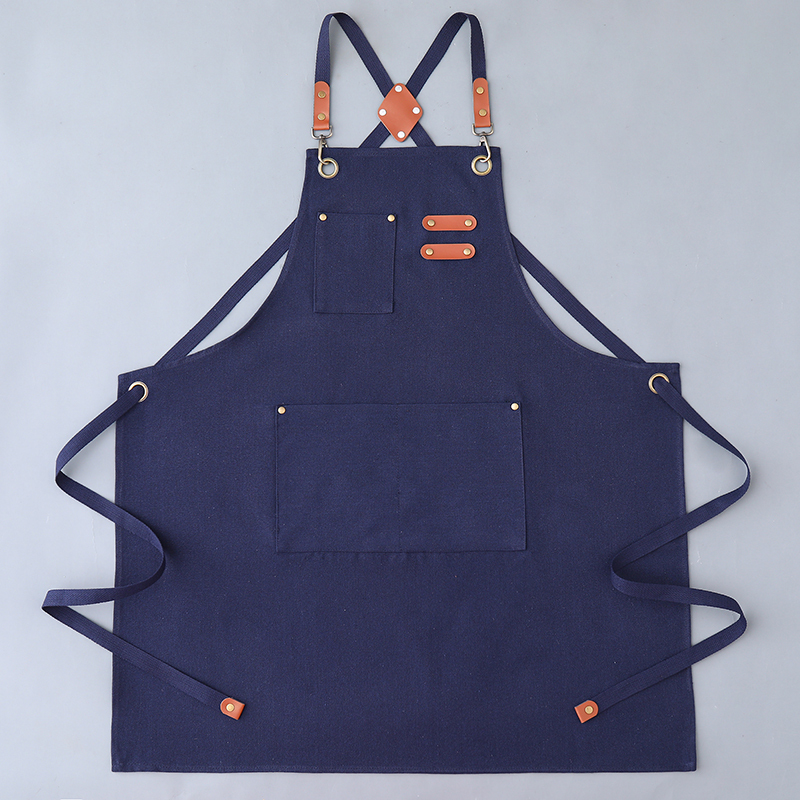
Solving Core Grilling Challenges with BBQ Apron Pockets
A well-designed BBQ apron does more than protect clothing—it reshapes how grillers move, respond to heat, and maintain control. Its pocket layout eliminates micro-delays that compound into safety risks, fatigue, and inconsistent results.
Eliminating Heat-Safe Workflow Interruptions Through Instant Tool Access
When flare-ups ignite or temperatures spike, even a two-second break to retrieve a tool can mean charring one side of the meat while undercooking another. A BBQ apron with purpose-built pockets keeps essentials within immediate reach: tongs in a reinforced vertical slot, a digital thermometer in a narrow chest pocket, a cotton towel looped at the hip for hot-lid handling, and a basting brush in a shallow front pocket. A probe clip sits at upper chest level; heat-resistant gloves tuck into a dedicated pouch. These fixed positions eliminate scanning, decision fatigue, and posture shifts—so the griller stays focused on the grate. Over long cooks, this consistency preserves steady temperature and smoke flow, turning reactive moments into controlled responses.
Reducing Cross-Contamination and Surface Clutter During Active Cooking
Grilling concentrates raw meat, sauces, cooked food, and cleaning cloths in tight proximity—a setup the CDC identifies as high-risk for foodborne illness, with 48 million annual U.S. cases linked to improper handling (CDC, 2023). BBQ apron pockets mitigate this by enforcing vertical task separation: one pocket holds tongs used only for raw protein; another houses a thermometer reserved exclusively for post-cook verification; a towel loop keeps wiping cloths away from food-contact zones. This structure reduces reliance on shared side tables—where raw juices easily contaminate clean utensils—and frees shelf space for serving trays and clean plates. A two-zone system (raw tools vs. finished-food tools) creates an intuitive sanitation checkpoint, lowering the chance of placing a raw-touched spatula on a serving board. The result is cleaner workflow, fewer mixed tools, and measurable risk reduction during active cooking.
Improving Ergonomics by Cutting Repetitive Reach-and-Return Motions
Repeatedly bending toward a side table or twisting to a back counter strains the lower back and shoulders—especially over multi-hour smokes. A thoughtfully configured BBQ apron places high-use tools close to the body’s centerline: chest pockets for lightweight items like probes and recipe cards; hip-level pockets for heavier tools like spatulas and tongs. This minimizes shoulder rotation and forward flexion, helping grillers sustain an upright, stable stance near the heat source. During a four-hour cook with tool changes every five minutes, poor pocket placement can add dozens of unnecessary torso twists per hour. Strategic placement doesn’t just improve convenience—it prevents repetitive strain before it becomes chronic discomfort, making the apron a functional extension of the griller’s posture and endurance.
How Pocket Configuration Defines BBQ Apron Performance
Vertical Zoning: Strategic Placement for Chest-Level Essentials vs. Hip/Back Storage
Vertical zoning transforms an apron from passive gear into an active workflow partner. Chest-level pockets—positioned between sternum and lower ribcage—hold lightweight, high-frequency tools: instant-read thermometers, tongs, basting brushes, and digital probes. Keeping them here aligns with natural hand movement at the grill surface, eliminating bending or twisting during critical moments. Hip and back storage, meanwhile, accommodates heavier or less-frequently accessed items: spice tins, phones, bottle openers, folded towels, or spare gloves. This separation prevents small essentials from being buried under bulkier objects—and protects delicate probe cables from tangling. Hip pockets sit below the natural waist to allow straight-arm access; back pockets are best reserved for non-urgent items like recipe cards. The outcome is faster response times during flare-ups, consistent tool positioning, and both hands remaining near the cooking zone.
Material & Structure Matters: Gusseted, Reinforced, and Thermal-Lined Pockets Explained
Pocket durability and function hinge on intelligent construction—not just fabric choice. Gusseted pockets expand outward when loaded, accommodating bulky items like spice jars or meat hooks without seam stress. Reinforced edges—double-stitched or riveted—resist tearing from repeated tongs removal. Thermal-lined pockets shield sensitive tools (thermometers, sauce bottles) from radiant heat, keeping handles cooler and electronics safer. Heavy-duty waxed canvas or twill provides shape retention, while breathable cotton lining aids quick drying after spills or steam exposure. Bar-tacked corners distribute load at high-stress points, preventing sagging or seam failure. Without these structural details, pockets quickly degrade—sagging, ripping, or allowing sharp probe tips to pierce the fabric. In short, material integrity isn’t about aesthetics; it’s what ensures safety, precision, and season-after-season reliability.
From Novice to Pitmaster: What Pocket Layout Reveals About Grilling Expertise
An apron’s pocket layout often signals a griller’s experience level more clearly than their equipment budget. Novices commonly choose aprons with numerous oversized pockets—assuming volume equals preparedness. In practice, excess storage leads to fumbling, misplaced tools, cross-contamination, and broken timing. Pitmasters, by contrast, treat pocket configuration as a calibrated workflow system. They prioritize vertical zoning: a slim chest pocket for an instant-read thermometer and dry towel, a dedicated tongs loop or sleeve, and gusseted hip pockets for heat-resistant gloves or timers. They avoid deep back pockets that require awkward twisting near open flame—especially during low-and-slow sessions where posture stability is critical.
This distinction shows up in rhythm and control. A novice pauses repeatedly to search for a fork or phone; a pitmaster moves with muscle memory—each tool exactly where expectation meets action. Leading manufacturers now reflect this expertise in task-specific designs: angled openings for easy probe access, thermal liners for heat-sensitive tools, and reinforced seams modeled on commercial kitchen station logic. The evolution from “more pockets” to “right pockets” marks the shift from casual cook to confident pitmaster—not because of added complexity, but because of intentional simplification. The most effective apron isn’t the one with the most storage, but the one that places essentials where instinct reaches first.
FAQ
Why are pocket layouts important in BBQ aprons?
Pocket layouts enhance efficiency by keeping grilling tools organized and within reach, reducing the need for constant bending or scanning for tools, which conserves energy and minimizes safety risks.
How do BBQ aprons help reduce cross-contamination?
A well-designed BBQ apron promotes vertical task separation, such as keeping raw meat tools and cooked food tools in separate pockets. This minimizes the risk of cross-contamination in high-risk cooking environments.
What materials should I look for in a quality BBQ apron?
Look for aprons made from heavy-duty materials like waxed canvas or twill, with reinforced edges, gusseted pockets, and thermal linings to enhance durability and protect sensitive tools from heat and wear.
What are the benefits of vertical zoning in apron design?
Vertical zoning helps prioritize accessibility and organization by positioning frequently used items (e.g., thermometers, tongs) at chest height and heavier, less-used items at the hips or back. This keeps tools organized and immediately accessible.