
 EN
EN
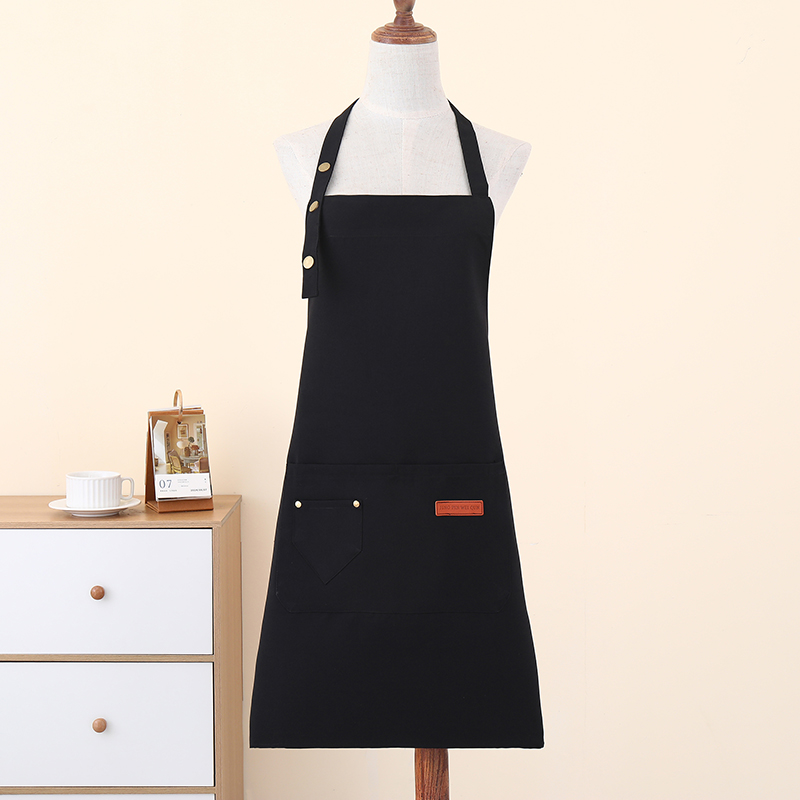
Long-lasting Wear Resistance and Unrivaled Durability In Aprons Made From Canvas.
Bar-tacked stress points, firm cross stitch reinforcement, and premium 12-14 oz. canvas.
So, what is the source of the incredible strength that canvas aprons have? The answer is in the construction, from the very beginning. Starting from the beginning involves 12-14 oz canvas material that is very tough and difficult to tear or rip. It is woven tightly to withstand almost anything. The rough, snapping, and unwanted fibers that come from fabrics that are cheaper and use looser weaves. Reinforcements are also important. The majority of seams fail, and at most seams, we have triple stitch reinforcement crossing each of those areas. No more concern about seams failure after a number of uses. Special bar tacks reinforce the highest most stressed points, so protective gear lasts a long time.
Real-life testing on tear and abrasion resistance using construction, metalworking and woodworking sites.
The real-world testing on construction sites, metal shops and wood shops demonstrates that these canvas aprons have impressive longevity. Construction workers note that these aprons do not tear or snag when workers drag aprons over concrete or snag on rebar. Metal workers appreciate how aprons survive metal chips and brief contacts with grinder sparks. Wood workers appreciate the construction apron fabric that does not catch splinters or dust from belt sanders. Most Tradespeople appreciate the longevity of real-world use as these aprons last 2-3 times longer than cheaper synthetic aprons that do not survive the abuse.
From Stains to Sawdust, Splinters, Sparks and Comprehensive Hazard Protection
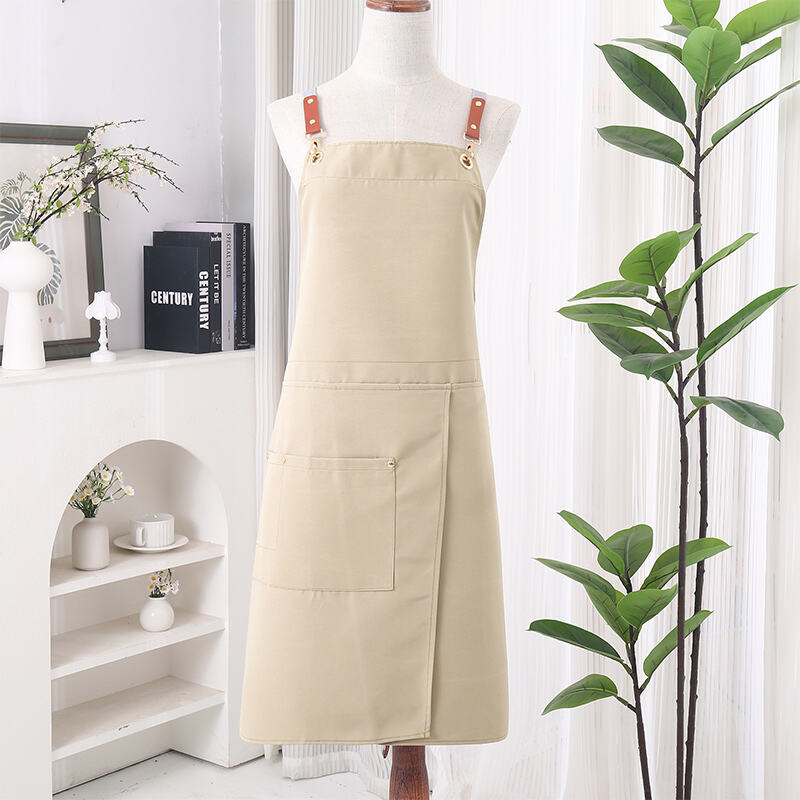
Low energy sparks and multi hazard barrier technology
A tightly woven 12 to 14 ounce canvas fabric blocks over 95% of all particulate debris of 50 microns and larger, including wood and metal splinters, and sawdust. The danger of serious skin irritation and damage to clothing is considerable. The ignition hazards of canvas are also significantly improved. The charring temperature of regular cotton canvas is above 400 degrees Celsius, which is substantially higher than most synthetic materials. Also, unlike most synthetic materials, canvas won’t melt, and instead chars. That means no drips and no secondary fires. Also, independent testing shows canvas significantly outlasts ordinary work clothing. For example, one worker felt his canvas coverall outlasted the competition by over 200% when working with hazards of raw lumber or exposed sheet metal.
Resistance to Stains and Liquids: 100% Cotton Vs Cotton-Poly Blend (Aligned with ASTM F1671-21)
The effect of material composition on spill defense and maintenance is illustrated by ASTM F1671-21 protocol testing.
The blend's synthetic fibers become water-repellent and oils and solvents sit on top as beads and wipe off without soaking in and staining. Regular cotton absorbs these liquids and traps the dyes and chemicals in the fibers. The blend showed around 70% improvement in resisting acid penetration compared to regular cotton which is important when dealing with workshop chemicals such as motor oil and paint thinners.
Waxed Canvas Aprons: Improved Oil, Heat, and Weather Resistance for Tough Jobs
The functional advantages of wax impregnation: thermal stability up to 200°C, increased hydrophobicity, and improved tensile retention after repeated exposures
Waxed canvas performs better for difficult jobs like welding, outdoor construction, and car repairs. With the wax coating, the material can withstand contact with hot surfaces or sparks up to 200°C, and will not break down. The wax coating also helps with the fabric's resistence to water, oil, and other chemicals that can spill during work. Aprons made of waxed canvas can remain strong (around 90%) after repeated wetting and exposure to heat and everyday abrasion. This is the reason why waxed canvas lasts longer than ordinary canvas, and also explains why workers who need the highest level of protection prefer these garments to ordinary canvas which fails more quickly to meet the protection levels.
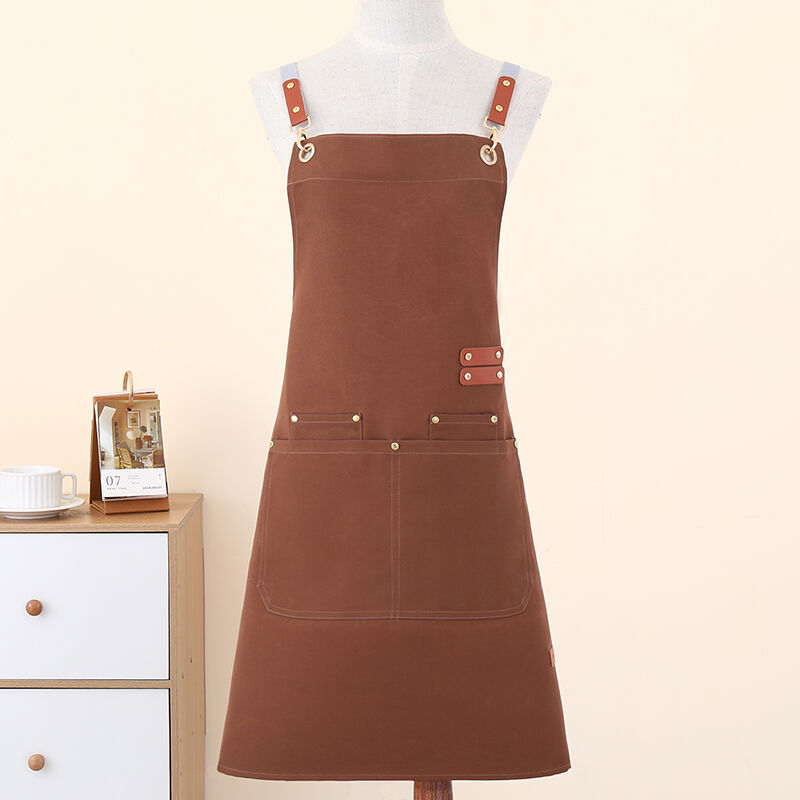
Canvas Apron vs. Leather vs. Synthetic Alternatives: A Practical Trade-Off Analysis
When making a decision on what type of heavy-duty work apron to purchase, professionals have to think about protection, the lifespan of the apron, the price, levels of eco-friendliness, and of course, the material. Leather, canvas and polyester are the most commonly used materials. Out of the three, leather is the most durable, and even more so, withstanding temperatures of about 200 degrees Celsius. While leather is the most durable, it can be very heavy, and most leather is produced through a very environmentally damaging process. Although polyester is typically more affordable than leather and canvas, it is not very breathable and degrades very quickly. In addition, it is a big contributor to the microplastic problem in the ocean because it takes a very long time to decompose. On the other hand, polyester is very good at wicking moisture, and can withstand extended exposure to UV rays.
When cutting wood or shaping metal, leather or canvas aprons are recommended as they provide more protection than regular aprons. However, canvas aprons are more comfortable to wear as they do not restrict movement. They also provide just as much protection as more expensive leather options and are much better to wear when there is lots of potential danger while working. Most leather aprons break down in landfills while canvas aprons are made from biodegradable materials and are better for the environment. For affordable options, canvas materials are the way to go as they are usually about 40-60% cheaper than leather. Also leather aprons are really just not worth it. They are much more expensive, provide similar protection to canvas, don't let you move as much, and the materials break down unlike canvas aprons.
FAQ
What is the main benefit of a canvas apron versus synthetic ones?
Canvas aprons are more durable and offer increased protection from bugs, splinters, and sawdust. They are more breathable and comfortable for long shifts, and canvas aprons will eventually biodegrade, unlike synthetic aprons.
How heat resistant are canvas aprons?
Standard cotton canvas aprons are non-flammable and can withstand more than 400 degrees Celsius, making them the best protection against low-energy spark situations.
Why is waxed canvas a great choice for tough jobs?
Waxed canvas contains a proprietary form of wax that enhances resistance to oil, heat, and weather, and helps the canvas to maintain its tensile strength even after repeated exposure to heat and moisture.
Is leather a viable option instead of canvas aprons?
Leather aprons provide a lot of protection from heat. However, they are heavier, provide less breathability and are more harmful to the environment due to the leather tanning process.
Table of Contents
- Long-lasting Wear Resistance and Unrivaled Durability In Aprons Made From Canvas.
- Low energy sparks and multi hazard barrier technology
- Waxed Canvas Aprons: Improved Oil, Heat, and Weather Resistance for Tough Jobs
- Canvas Apron vs. Leather vs. Synthetic Alternatives: A Practical Trade-Off Analysis
- FAQ