
 EN
EN
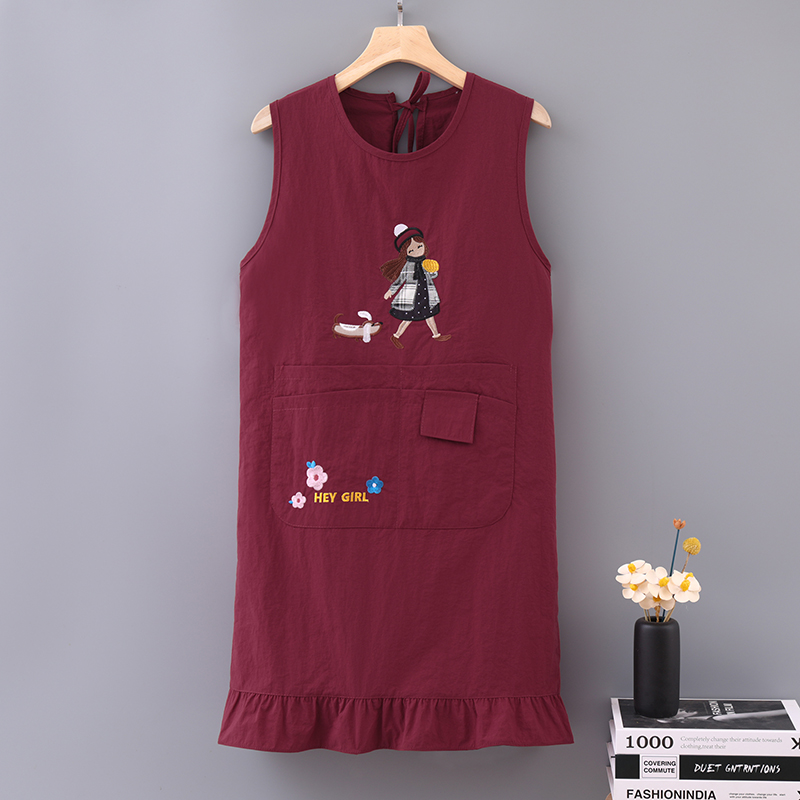
Apron Style Based on Workplace Function and Need for Mobility
Bib, Waist and Cross BackApron: Coverage, Range of Motion and Role Specific Adjustment
Choosing the best apron style focuses on workplace hazards and the level of required movement. Industry standards and research identify the following role-specific advantages:
Bib aprons cover the range from the chest and knees, and are best suited for kitchens and healthcare environments where splashes and spills are likely. Research indicates that bibs reduce clothing stains by 62% in high splash environments.
Waist aprons are 17-24 inches long and are designed to maximize movement of the lower body. This is important to servers in restaurants and also to retail workers who need to move quickly in different directions.
Aprons with Cross Back designs allow the weights to be placed at the rear shoulders and help relieve neck load, resulting in 48% less fatigue from extended shifts as shown in work study assessments.
Staff members working front of house like waist aprons for their subtle tool pockets and sleek design. In contrast, bib styles are chosen for industrial kitchens as they offer better spill containment. For anyone wearing aprons for over six hours straight, cross back styles make a lot of sense. When it comes to selecting equipment, it is worth considering the impact of adjustable straps and the placement of pockets in relation to the actual needs of workers during their shifts, and it is of little surprise that kitchen staff prefer those functional strap loops. In contrast, retail staff require smaller pockets to accommodate receipts and other small items. According to industry experts, businesses reduce replacement costs by 34% annually when they provide the right apron for each job.
Select your apron fabric considering hazards and maintenance realities
Natural vs. Technical Fabrics: Cotton, Twill and Denim for Low-Risk Settings
Jobs at lower risk such as cafe baristas, retail workers and art studio workers usually find natural fabrics more comfortable. Fabrics like cotton, twill and standard denim are quite resistant to light spills of coffee, chalk, or dust. Most of these fabrics are reported to withstand about 30 to 50 industrial washing cycles (2023 forecast). However, these materials are poor in liquid absorption, and hence are not ideal for roles that include moisture, grease or chemical exposure. For example, canvas woven cotton is ideal for artists who use watercolors, and specially treated denim is great for woodwork as it provides extra abrasion resistance.
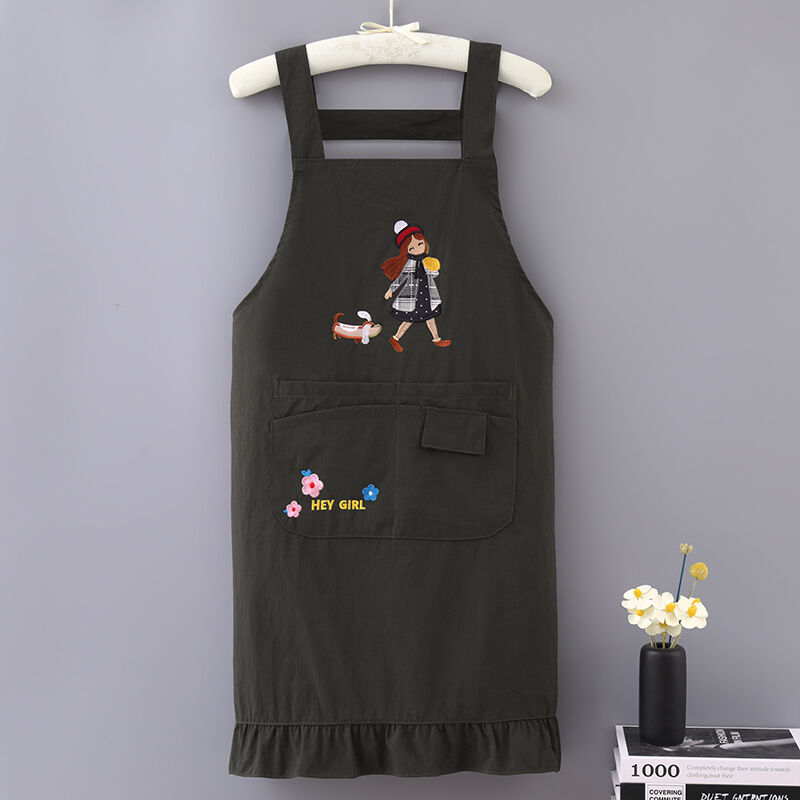
Flame-Resistant, Fluid-Barrier and Spark-Resistant Apron Materials for Specialized Applications
Wearing aramid-fiber aprons instead of cotton, welders sustained 70% fewer burns (National Safety Council, 2022). Fluid-resistant polypropylene aprons are now standard for medical personnel in clinical settings where they are exposed to bloodborne pathogens. Safety and protection in workwear designs are a priority. Vinyl is resistant to the strong disinfectants and cleaning agents used in hospitals and healthcare settings, but it deteriorates due to UV rays. Leather becomes better as it ages and forms a protective layer, but it requires an initial oil application and periodic re-oiling to remain supple.
The bottom line comes down to what materials last, how often workers are exposed to hazards, and what budget companies have for replacing safety equipment during the year.
Ergonomic designs help sustain performance in physically demanding jobs
Adjustable straps, strategic pocket placements, and weight distribution systems help with all-day wear
Good ergonomic design in aprons helps reduce workplace fatigue with three mechanisms: adjustable straps, smart pocket placement, and even weight distribution. Poorly fitting gear can lead to back pain for people in jobs like restaurants, factories, or hospitals. Last year's BLS data showed that even load distribution can reduce lower back strain by 30%. With elastic or nylon straps, each different body shape can wear them without the straps digging into their shoulders or neck. Pockets designed to be at the hip rather than at the chest help tools become more accessible while keeping the body in a naturally balanced position. This helps avoid the forward lean that encourages poor posture. For standing jobs in which the employee must wear the apron, tool belts that are designed to distribute their weight to the pelvic area are particularly effective. They relieve spinal pressure, which helps the worker maintain productivity for longer and without as much fatigue.
Industry Compliance, Regulatory Requirements, and Professional Appearance Convergence
Healthcare, Food Service, and Beauty
Strike a balance when selecting an apron between what the regulations require and what a business wants to promote. Food service employees must comply with FDA regulations, which require the use of materials that are resistant to grease and stains. This is why most employees wear polyester and cotton blend aprons, as they can withstand numerous washes and maintain a professional appearance. It is even more challenging in a hospital, where employees must comply with OSHA regulations regarding bloodborne pathogens. Clinicians require aprons that are fluid barriers, which is why many of them wear dark-colored aprons that are antimicrobial. This conceals stains that are inevitable from long surgical or ER shifts. Salon owners face their own difficulties as they must comply with EPA regulations regarding chemical splashes, while still wanting to choose an apron that is aesthetically pleasing. This is why we are seeing many modern apron designs with custom embroidery. Color choice is important in every industry. Dark colors conceal the appearance of dirt in busy kitchens, while bakeries use light colors to convey freshness. In fine dining establishments, muted colors with small logos are preferred to maintain a classy appearance.
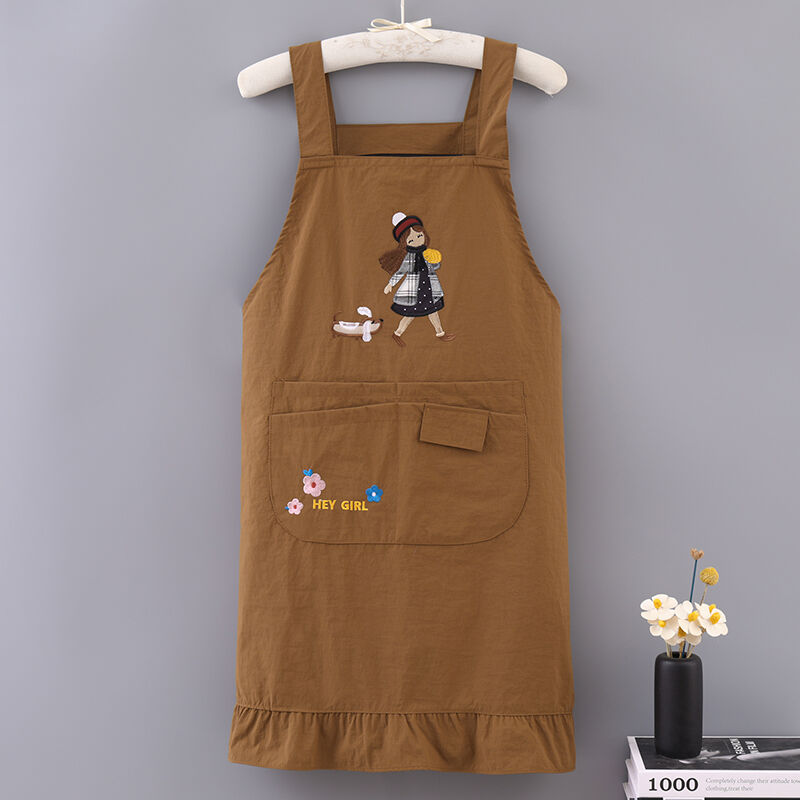
The ideal aprons accomplish three goals. They protect the wearer from hazards, comply with regulations, and reflect the company’s branding. When designed correctly, safety and professional appearance can go hand in hand.
FAQ
What advantages do bib aprons offer in the kitchen?
In the kitchen, bib aprons offer coverage from the chest to the knees and provides protection from burns and spills. They can actually lower the chance of staining the clothes underneath by 62% in environments with high levels of splashes.
Why are cross back aprons better for hours or longer?
The design of cross back aprons helps distribute the weight to all 4 shoulders, which also helps reduce fatigue, and in turn, helps the wearer endure longer shifts without developing painful neck due to the reduction of pressure in that area.
What is the best apron material for safety?
PVC, Neoprene, and Nitrile are the best materials for chemical hazards, while flame hazards are best protected with Aramid fibers (Nomex®/Kevlar®), and spark and abrasive hazards are best protected with Aluminized materials or leather.
Why is apron design important?
An apron that is designed to be ergonomic can greatly reduce fatigue. This can be accomplished by the incorporation of adjustable straps and a pocket that is designed to be placed in a certain location to distribute the weight evenly. Such designs can reduce lower back strain by as much as 30%.