
 EN
EN
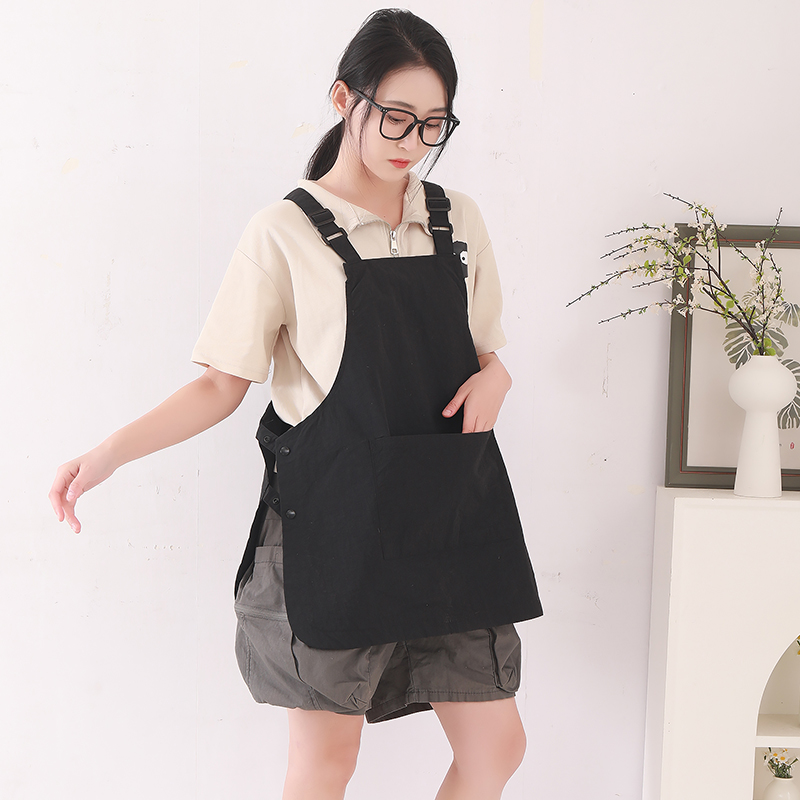
The Importance of Pocket Function in Cooking Aprons
The role of pockets in cooking aprons can mean the difference between doing work in the kitchen or just simply protecting your clothes. Great design enables chefs to pocket their everyday essentials on the go so they don’t lose track of them when the cooking starts getting hectic. Research shows that apron pockets that align with the natural movement of their hands, can, on average, allow cooks to access their tools, 40% faster than other pocket designs. This significantly decreases the number of times they have to stop what they’re doing and take a break to grab a tool. There are a lot of considerations to think about design such as...
Pockets at chest level and tilted at the lap: Chest pockets are better for visibility during prep work, while tilted lap pockets offer better access during cutting and plating.
Sizing pockets for depth, and adjustable depth: Anticipating pocket contents (i.e., pen slots, loops for thermometers) will keep everything organized and untangled.
Reinforced seams: Organizational tools stay in place for the duration of the shift, even with the weight of metal tools, and prevent sagging.
Most Apron Design Fails to Meet Real-World Needs
Standard aprons with the traditional pockets are bad.
Pockets that sag trap knives and utensils so that they slide out or fall onto the floor when someone bends over.
Even worse, a recent survey found that almost a 70% of chefs reported having a dirty accident because of the overflowing pockets that brushed while cooking.
Lose time recovering essential tools from poorly designed pockets that trap tools and knives and create a hazard for injuries from falling knives and utensils. These are the most vital tasks. Design failure = Pockets that trap and catch tools. This goes particularly wrong at peak meal times.
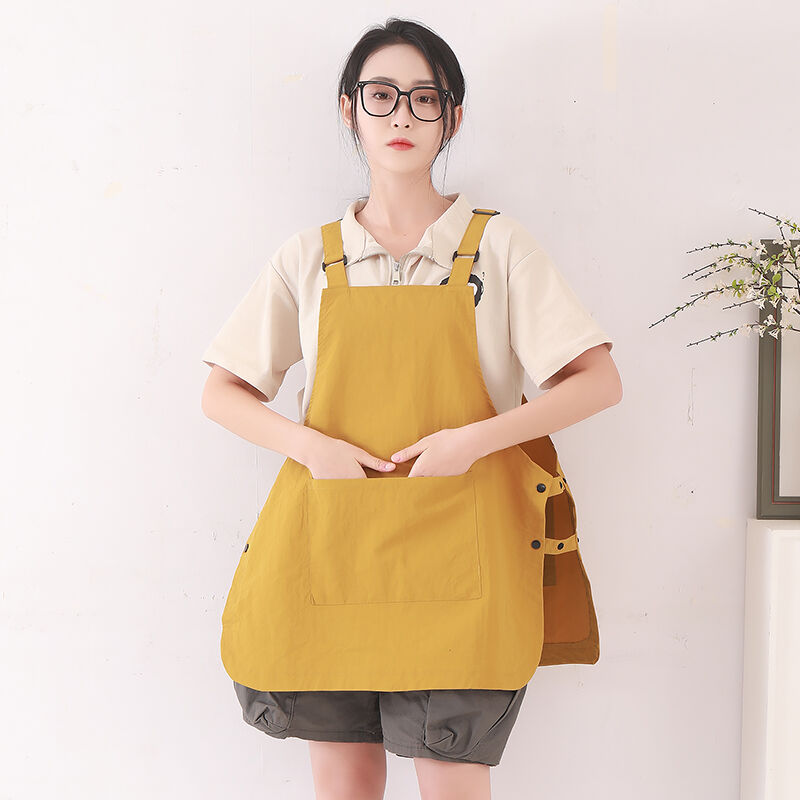
Make staff abandon their positions to fetch lost tools
Safety hazards arise when knives stick out of unstable pockets
Ergonomics designed for performance solve this with weighted edges, pocket tiers, and slip-resistant lining that hold tools in place during movement.
Optimal Pocket Placement for Professional Kitchen Workflow
Lap Pockets: Ergonomic Advantages for Extended Prep Work
Ideal pocket placement can transform any apron into a useful kitchen tool for a long shift. When lap pockets sit at waist level, they provide a resting spot for hands instead of encouraging continual reaching, which can lead to shoulder strain. Imagine the example of a person cutting and chopping vegetables all day. Pockets also alleviate twisting and bending. This is because most of the items needed by a worker in a pocket are in the applicable range, which is between the waist and the dominant hand. Using such pockets mean the worker does not need to bend and therefore saves back strain. Professional chefs have claimed to experience up to a 30% reduction in fatigue during a shift when their apron is equipped with strategically placed pockets. Good pocket placement means less bending and more working.
Chest and Hybrid Pockets: A Trade-off Between Speed, Visibility, and Capacity
The placement of upper body pockets aids problem flow. They promote visibility and accessibility while actively cooking. Chest pockets allow you to keep thermometers and tasting spoons at stove level instead of risking a lean over hot surfaces. Some aprons use a combination of vertical and horizontal pockets so the weight is better distributed. This can help reduce neck stress when carrying timers or even small notebooks is required. Be careful to avoid overloading chest pockets. A packed pocket can restrict movement and pose a serious safety hazard near flames. Best configurations include smaller front pockets for items needed during the service, and larger, lighter items, back, to minimize obstruction. This layered organization allows cooks to move freely while access critical tools during busy service.
Understanding the Different Pocket Types on the Cooking Apron
Understanding the Functionality and Practicality of Trade-offs Made on the Cooking Apron
Different styles of pockets serve pivotally different functions that impact a user s ability to operate effectively in a kitchen. While patch pockets offer easy access to timers and other small items, their risk of losing items to a patch pocket's black hole is always present. Plenty of space for larger utensils is given to the user of a kangaroo pocket, but large utensils often get in the way of a cook s movements in a kitchen. A pocket that zips is great for securely storing pricey items that could get lost, such as digital thermometers; however, the additional time that must be taken to open a well-zippered pocket could be a negative in a fast-paced cooking environment. A flap pocket may need to be checked periodically to prevent something from being caught on a hook, but they offer a good balance between accessibility and safety for items such as oven mitts.
Dedicated Loops and Compartments: Optimization for Tongs, Thermometers, and Towels
In the heat of the kitchen, the right tool retention system can make all the difference. Those handy side loops mean tongs are within reach and won't get lost, while helping keep handles clean from greasy fingerprints. Thermometer sleeves are insulated for a good reason: body heat can throw off readings if we're not careful. And towel bars built into the system? Who can argue that? Just grab and dry, all in one move, while keeping the other hand free to tackle the next task. We've observed that with tool compartmentalization, retention, and dedicated space for each tool instead of a generalized space, cooks are able to access the tool they need, about 40% faster. It might seem trivial, but over the course of a busy shift, those lost seconds can calculate into significant efficiency improvements for the whole kitchen.
Factors That Influence Reliable Tool Carrying: Fabric, Weight Distribution, and Apron Design
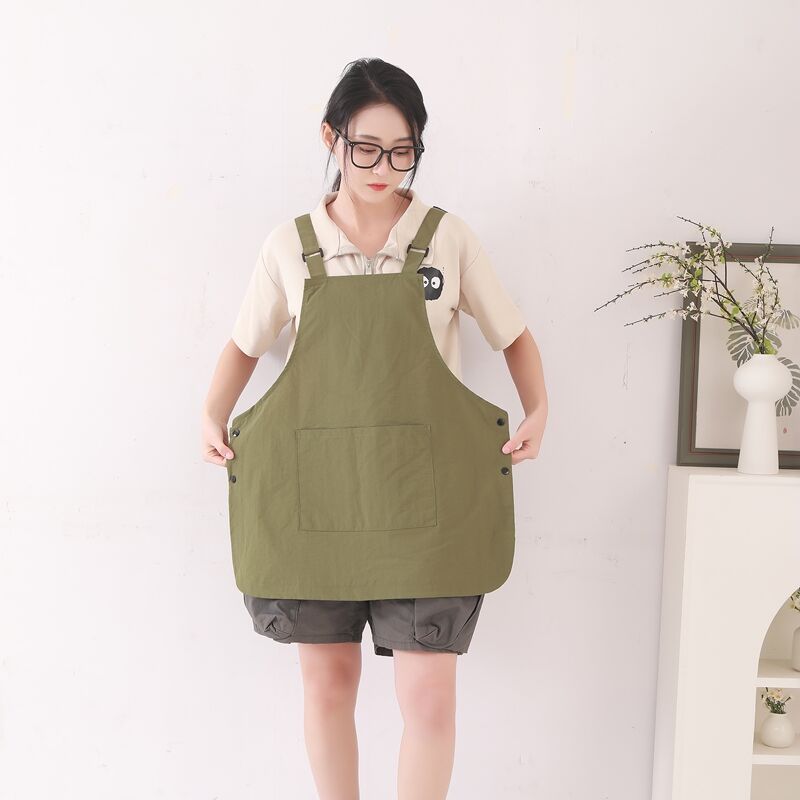
There are several important elements in an apron design to ensure the apron is durable enough for the numerous tasks in a kitchen. These elements include the materials used in construction of the apron, the weight distribution design of the apron, and the design style of the apron. A good material for an apron is a cotton canvas of a medium weight of about 10 to 12 ounces. This weight is sturdy enough to protect against knives and cooking thermometers, while still providing a good range of motion to the wearer. Old stiff denim, and other lightweight materials, such as polyester, are not good enough materials for serious cooking. The design of an apron can be detrimental to the comfort of a wearer. A poorly designed apron can leave the wearer with aching shoulders after only a few hours of cooking, while an apron design that has been well thought out can be comfortable enough to provide enough weight relieve to the wearers hips and back. Research has shown that cross back style apron designs are 37% better than neck loop apron designs in comfort for long shifts in kitchens. The design of the apron can provide the best protective coverage. Full bib aprons provide the best coverage, but can be very bulky.
Aprons such as waist aprons allow bakers to be more mobile as they work with the dough and the pastries. Getting these factors correct depending on what type of cooking someone does the most is what makes the most difference in comfort for the work day as well as being able to store the right utensils close by for whenever they need them.
FAQs
Why are pockets in cooking aprons inportant?
Pockets in cooking aprons are important as they allow chefs to keep their tools like spoons and thermometers close for easy access and to help keep work flow in the kitchen efficient.
What are the downsides to having bad pockets in apron design?
Pockets in poor apron designs can cause nagging pockets, cause tools to slide around and not be usable and in turn can cause lost time for work to be done and can also cause safety concerns.
In what ways can the right apron increase efficiency in a kitchen?
An apron that is designed for comfort with good pocket design and good weight distribution can really increase efficiency in the kitchen.
What materials are good for aprons made for cooking?
Cooking aprons made of cotton canvas around 10 to 12 ounces are good materials for providing good flexibility and good durability.