 EN
EN
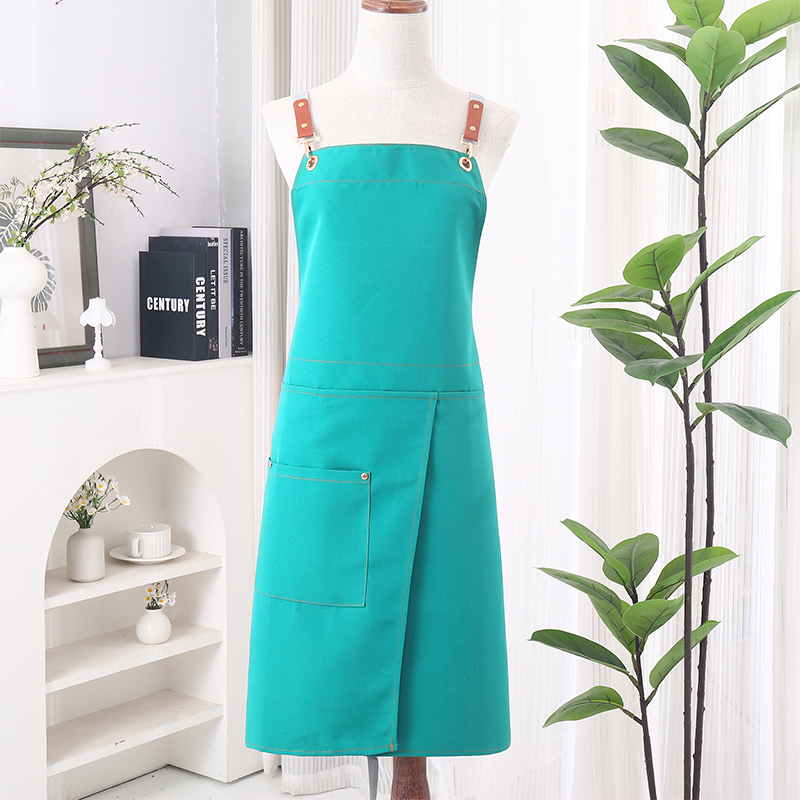
أحذية قماشية ذات رداء أمامي: مثالية للتطريز وتخصيص الشعارات
لماذا توفر الأحذية ذات الرداء الأمامي استقرارًا هيكليًا ومساحة واسعة من القماش للتخصيص؟
أطواق المطبخ القماشية ذات القسم العلوي الصلب والمساحة الواسعة المغطاة تُعد ممتازة للتخصيص، لأن ذلك يعزز تنوع استخدامها في التطريز ووضع الشعارات. كما أن التدعيم الإضافي حول الكتفين يمنع تمدد القماش وتشوّهه أثناء الغرز الكثيفة، بينما توفر منطقة الصدر لوحةً واسعةً بقياس 18 × 20 بوصة لتطريز الشعارات دون إفساد المظهر الأنيق للطوق. وتتميّز هذه الأطواق الثقيلة المصنوعة من قماش القطن بنسبة وزن تتراوح بين 12 و14 أونصة بأنها متينة للغاية، إذ تحافظ على شكلها حتى بعد مئات دورات الغسيل الصناعي. وقد أظهرت الاختبارات التي أُجريت العام الماضي انخفاضاً في مشاكل تجعّد القماش بنسبة تقارب الثلثين مقارنةً بالأطواق المصنوعة من مواد أخف وزناً. وهذا يعني أن التصاميم المطرّزة تبدو رائعةً بعد 200 غسلة، مع فقدان أقل من ٥٪ في كتلة الخيط. ولوازم الموظفين في الفنادق، تكتسب هذه المتانة أهميةً بالغة نظراً لغسلها يومياً.
رؤى حول متانة الغسيل والاحتفاظ بالغرز للتطريز على قماش قطني ثقيل وزنه ١٢–١٤ أونصة
يتطلب التطريز عالي الجودة قماشًا مستقرًّا ومُنسوجًا بإحكام، ويحقِّق قماش القطن بوزن ١٢–١٤ أونصة هذا الشرط. ويسمح هذا الكثافات العالية من القماش بوضع ٢٢–٢٨ غرزة في كل بوصة مربعة واحدة، مما يقلل من انحراف الإبرة ويحافظ على وضوح الشعار وحدَّته أثناء التطريز عالي السرعة. كما توجد أبحاث مخبرية تدعم هذه الادعاءات.
كانت الصفات الإيجابية لهذا القماش الثقيل تتناقض مع قماش القطن بوزن ١٠ أونصة.
قماش قطني بوزن ١٠ أونصة / قماش قطني بوزن ١٢–١٤ أونصة
تشوُّه الغرز: ٤١٪ / ٨٪
تسرب اللون: ٢٧٪ / ٣٪
عدد دورات الغسيل قبل التدهور: ٧٥ دورة / ٢٠٠+ دورة
(تقرير متانة المنسوجات، ٢٠٢٣)
تساعد المعالجات المسبقة للتقلص بشكل إضافي في التصدي لمشكلة انضغاط الغرز الناتجة عن الغسيل، مما يضمن اتساق التغطية وموضع الغرز. وفي اختبارات التآكل المُعجَّلة، تفوَّق قماش الكانفاس عالي الوزن على المواد المخلوطة بنسبة 37%، ما أثبت أنه الخيار الأفضل والأكثر موثوقيةً للعلامات التجارية الدائمة عالية الدقة.
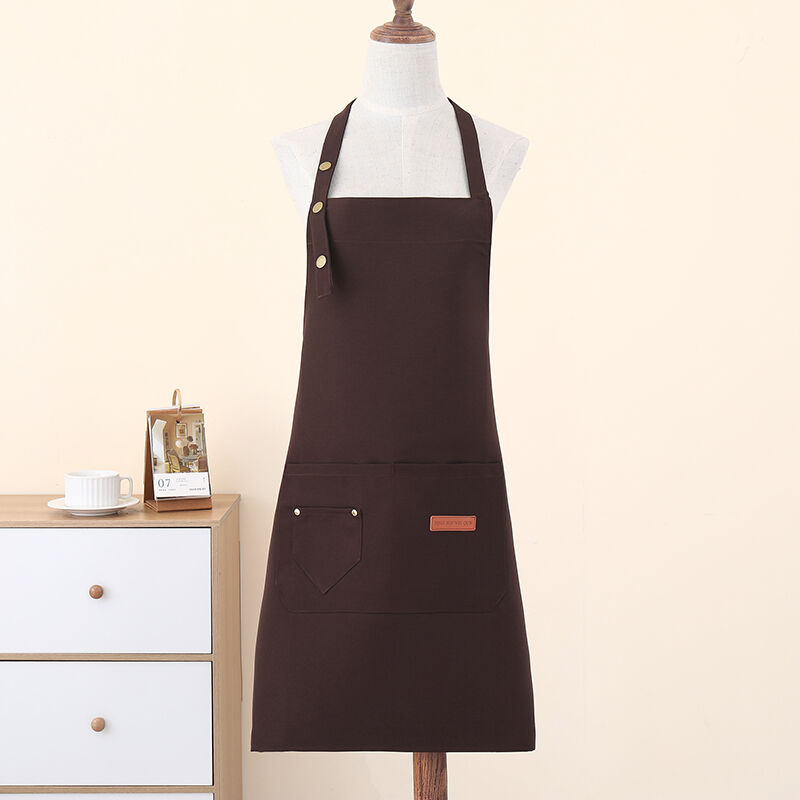
مريلة الخادم ومريلة البوفيه من القماش: استمرار إمكانيات التخصيص القائمة على الطباعة
التصميم الضيق: توتر القماش، وإرشادات الطباعة، واعتبار غسل قماش الكانفاس مسبقًا
من أجل تحقيق ناتج طباعة عالي الجودة، من المهم ضبط تركيب القماش بشكلٍ دقيق للمرابط الضيقة (Slim-fit) الخاصة بالخوادمة والمرابط المستخدمة في المطاعم والمقاهي. وعند النظر في خيار الطباعة المباشرة على الملابس (Direct to Garment Printing) أو الطباعة التقليدية بالشاشة (Screen Printing)، فإن من الضروري شد القماش لتكوين سطحٍ مُسطّحٍ يسمح للحبر بتغطية سطح القماش بالكامل. فإذا سُمح للسطح أن يبقى غير مستوٍ، فإن التصميم المطبوع سيبدو باهتًا أكثر، كما ستظهر الحواف مشوشةً وأقل وضوحًا. أما بالنسبة لظاهرة التشقق، فيجب غسل قماش كانفاس المرابط الخاصة بالخوادمة مسبقًا، ويجب أن يتراوح وزن القماش بين ١٠ و١٢ أونصة لتفادي تشقق التصميم نتيجة دورات الغسيل والتجفيف القاسية في مغاسل الملابس المهنية. وقد أظهرت الدراسات أن قماش الكانفاس القطني المُسبَق انكماشه يدوم لأكثر من ٤٠٪ مقارنةً بقماش الكانفاس غير المعالج. وهذه النقطة بالغة الأهمية للحفاظ على ثبات التصميم المطبوع على القماش، ويجب ألا يتلاشى هذا التصميم، لا سيما بالنظر إلى كثافة عمليات الغسيل الصناعي التي تتعرض لها هذه المرابط.
العلامة التجارية عبر لوحة الصدر الأمامية: تحليل عامي ٢٠٢٣–٢٠٢٤.
في السنوات الأخيرة، بدأت شركات قطاع الضيافة تجريب العلامات التجارية البسيطة على لوحة الصدر بشكل متزايد. ويتوقع تقرير صناعة الزي الموحّد لعام ٢٠٢٤ أن تتبنّى ٧٨٪ من علامات قطاع الضيافة نهج العلامة التجارية في منطقة واحدة فقط. ويُرحَّب بهذا النهج التبسيطي للعلامة التجارية أيضًا من قِبل الجمهور. فغالبية كبيرة من الزبائن، أي ما يقارب ٦٦٪، يربطون بين استخدام الشعارات التبسيطية والعلامات التجارية الفاخرة. كما أن الحجم القياسي لوحات الشعارات، الذي يبلغ تقريبًا ٤ بوصات × ٦ بوصات، يسمح بتبسيط عملية طلب لوحات الشعارات، ما يؤدي إلى توفير ما يقارب ٣٠٪ من التكاليف. وهناك أيضًا العديد من تقنيات تطبيق الشعارات المتوافقة مع هذا الأسلوب، مثل الطباعة المباشرة على القماش (DTG)، والطباعة بالشاشة الحريرية، والطباعة بالحرارة (Heat Press). ويظهر هذا الأسلوب في سلاسل المقاهي الكبرى وكذلك في المقاهي المحلية. إذ يستمتع هؤلاء بمهنية الزي الموحّد عند التعامل مع العملاء.
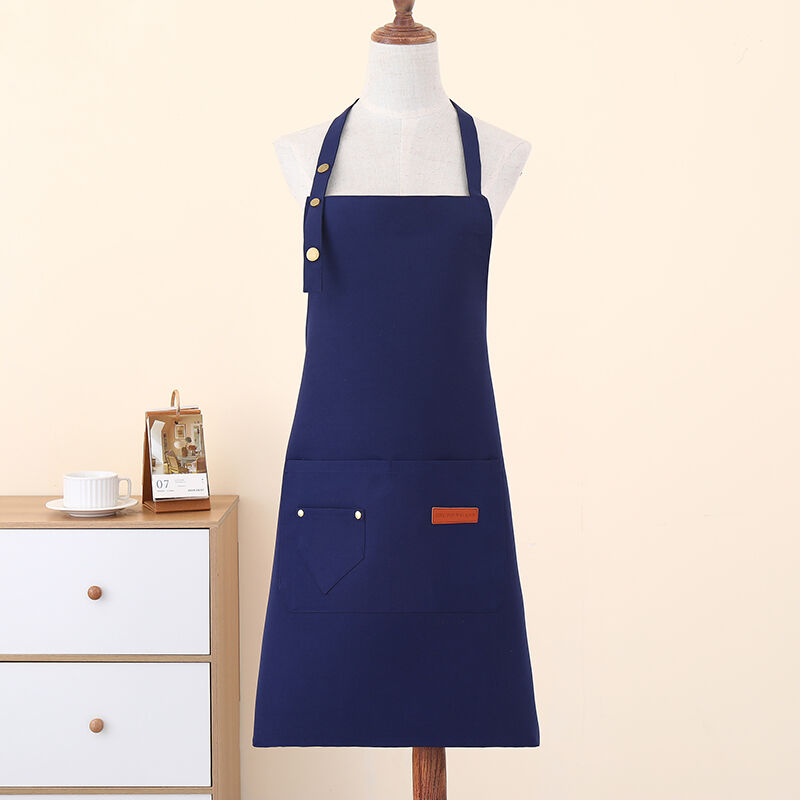
المريلات المصنوعة من القماش التي تُصمَّم على غرار الجينز مثالية للتصاميم المطرزة بفضل أنماط نسجها الأزرق الداكن (الإنديغو) وقدرتها الاستثنائية على تحقيق التباين في التخصيص. وذكرت دراسة أجرتها شركة «تكستايل كونتراست» عام ٢٠٢٣ أن خيوط التطريز الفاتحة تكتسب قابلية رؤية أعلى بنسبة ٧٨٪ عند استخدامها على الجينز ذي الغسلة الداكنة. ومن الشائع أن تتضمَّن الخيارات المصمَّمة بعناية ميزات مثل التصاميم المُلائمة للجسم والحواف الجانبية غير المُنتهية (الخام). وتمنح معالجات الغسل الحجري المُصمَّمة خصوصًا هذه النسيجَ إحساسًا فريدًا يُضفي عمقًا تدريجيًّا لشعارات العملاء المطبوعة عليه. وهذه التفاصيل بالغة الأهمية بالنسبة للمشاريع الصغيرة والمطاعم الراقية، حيث تُعَدُّ زيّات الفريق جزءًا لا يتجزأ من سرد القصة العلامة التجارية. ولتحقيق أفضل النتائج عند التطريز، استخدم جينزًا ثقيل الوزن وزنه ١٤ أوقية أمريكية (OZ) لضمان كثافة الغرز، وتأكد من الطباعة الرقمية بعد غسل القماش مرة واحدة على الأقل؛ فهذا يمنع انزياح التطريز ويحمي الطباعة من التشقق الناتج عن الانكماش.
الخصائص الأساسية للنسيج التي تؤثر في إمكانية تخصيص المريلات المصنوعة من القماش
كيف تؤثر الوزن (بالأونصة) ودرجة إحكام النسيج والمعالجات المسبقة على عمر التطريز والطباعة
تُحدِّد ثلاثة سمات مترابطة بشكل متبادل في القماش نجاح عملية التخصيص:
وزن القماش (١٠–١٤ أونصة): يصمد قماش الكانفاس عالي الوزن (١٢ أونصة فأكثر) أمام تشوه الإبرة ويحافظ على وضوح الغرز حتى بعد غسلات صناعية لا حصر لها. أما قماش الكانفاس الذي يقل وزنه عن ١٠ أونصات فيشكِّل خطرًا كبيرًا على حدوث التجعُّد الزائد، ما يُضعف وضوح الشعار.
عدد الخيوط في البوصة (٥٠–١٠٠ خيط/بوصة): فالأنسجة ذات النسج الأحكم تثبت الخيوط وتقلل احتمال تسرب الحبر، وهو أمرٌ بالغ الأهمية عند طباعة الشعارات ذات الخطوط الدقيقة أو الصور الواقعية. أما مع الاستخدام المتكرر، فإن الحواف تصبح أقل وضوحًا بسبب ت tendency إلى ترخّي النسيج.
المعالجات المسبقة (مثل التثبيت الحراري/المرسرة) — الألياف غير المستقرة كيميائيًّا قد تنكمش، ما قد يؤدّي إلى إجهاد الرسومات المُطرَّزة أو المطبوعة. وتصل نسبة الانكماش في القماش غير المعالج إلى ٨٪، مما يُسرّع من إرهاق التصميم وتشقُّقه. وينطبق هذا بصفة خاصة على الحالات التي تتضمّن نقل الحرارة إلى القماش.
وبالجمع بين هذه الخصائص، يزداد عمر المرايل المُدوَّنة بالعلامة التجارية بمقدار سنتين إلى ثلاث سنوات مقارنةً بالمرايل الخفيفة الوزن غير المعالجة والمُدوَّنة بالعلامة التجارية.
الخاصية — تأثير التطريز — تأثير الطباعة
١٤ أونصة مقابل ١٠ أونصة — انخفاض سحب الغرز بنسبة ٤٠٪ — غير متاح
كثافة الغزل: ٨٠ مقابل ٥٠ — متانة أعلى بثلاث مرات في دورات الغسل — انخفاض تآكل الحبر (التقشير) بنسبة ٥٠٪
مُعالَج حراريًّا — انتفاخ أقل — لا تشققات في عمليات نقل الحرارة
الأسئلة الشائعة
ما الميزة الرئيسية لاستخدام المرايل ذات قسم الصدر (المرايل ذات القماش الأمامي الكامل) المصنوعة من قماش الكانفاس للتطريز؟
تتميّز المرايل ذات قسم الصدر المصنوعة من قماش الكانفاس بقسم علوي صلب يعزّز هيكلها. وهذا، مقترنًا بالمساحة الأمامية الكبيرة، يعني أن هناك مساحة كافية لتغطية كاملة بشارات كبيرة ومفصّلة.
لماذا يُفضَّل استخدام قماش القطن الثقيل للتطريز؟
القماش القطني الثقيل الوزن يتراوح وزنه بين 12 و14 أونصة. وهذا يعني أن القماش يوفّر قاعدة أكثر إحكاماً واستقراراً للتطريز، مما يقلل من انحراف الإبرة ويساعد في تشكيل الغرز بدقة أعلى، ما يجعل التطريز أكثر متانةً ويبدو أجمل.
ما الفوائد التي تقدِّمها مآزر القماش المغسولة مسبقًا للتخصيص القائم على الطباعة؟
يحتوي قماش المآزر المغسول مسبقًا على قدرٍ كافٍ من الانكماش بعد الإنتاج النهائي، ما يضمن حدوث شقوق أقل في التصاميم ويضمن بقاء الطباعة لفترة أطول. وهذا أمرٌ بالغ الأهمية للحفاظ على مظهرٍ أنيق واحترافي.
كيف تحسِّن المآزر ذات الطراز الدنيم وضوح التطريز؟
إن نسيج الدنيم الأزرق الداكن المُgetTextured يجعل خيوط الألوان الفاتحة تبرز وتلفت الانتباه، وهو ما يكتسب أهميةً كبيرةً لوضوح التطريز، لا سيما في مطاعم المصممين والراقية.