
 EN
EN
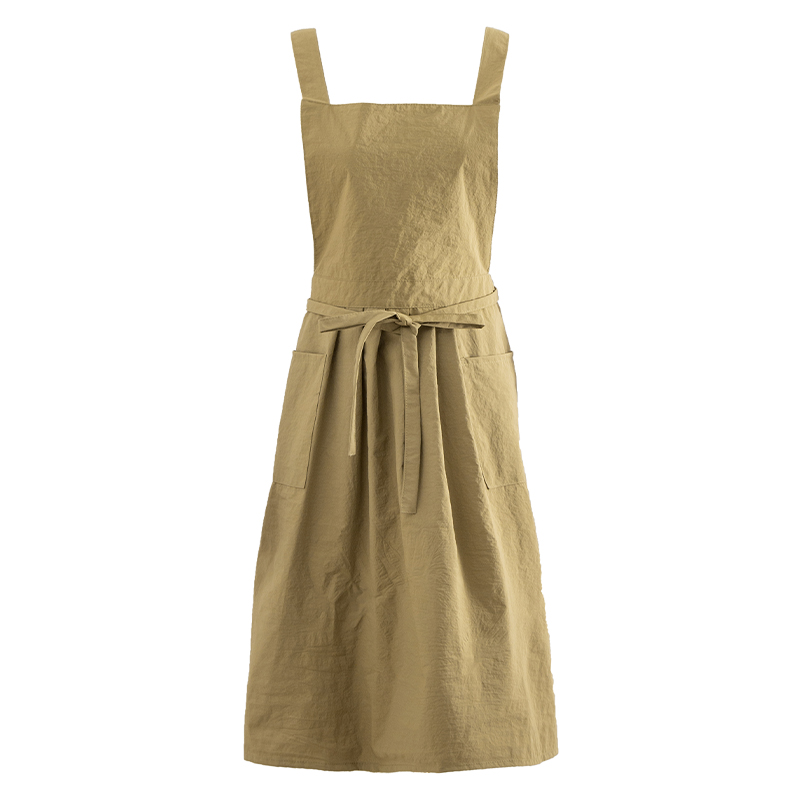
Tabliers-bavettes : modèle de tablier en coton adapté à une utilisation dans deux contextes distincts
Praticité et style : l’expérience du tablier-bavette, du cuisine au cocktail
Ce qui contribue à la polyvalence des tabliers à bavette, c’est une conception offrant une couverture complète. Le grand panneau de protection au niveau de la poitrine permet de garder les vêtements situés en dessous impeccables lors du travail en cuisine, tout en conservant une apparence soignée adaptée aux fonctions d’accueil client. Porter un tablier en coton conçu pour les postes en contact avec la clientèle convient tout autant à un barbecue familial dans le jardin qu’à un restaurant haut de gamme. Ce sont les petits détails de conception qui influencent l’expérience dans son ensemble. Plutôt que les découpes carrées et rigides au niveau du col, caractéristiques des modèles moins chers, ce modèle présente un décolleté légèrement arrondi. Les poches ont également été repensées : elles sont plus petites et épousent davantage la silhouette. Cela élimine les renflements disgracieux et désordonnés qui dépassaient autrefois du tablier, pour un rendu plus épuré et fluide. En outre, les petites pinces cousues dans le tissu améliorent l’ajustement, quel que soit le morphotype de la personne.
Innovations en matière de matériau et d’ajustement : des mélanges sur mesure de lin et de coton, ainsi que des bretelles croisées réglables, rehaussent l’image formelle
L’ensemble d’accessoires pour bébé en silicone est fabriqué à partir de silicone alimentaire de haute qualité, sans BPA, sans plomb et sans phtalates, ce qui garantit une sécurité maximale pour votre bébé. Il comprend une tasse à bec, une cuillère, une fourchette, un couteau et un plateau, tous conçus pour faciliter l’apprentissage de l’alimentation autonome dès le plus jeune âge. Le matériau souple et résistant permet un nettoyage facile au lave-vaisselle ou à l’eau chaude savonneuse, tout en restant durable face aux chutes fréquentes typiques des repas en famille.
Polyvalence fonctionnelle et stylistique : tablier bistrot et tablier taille comme exemples de tabliers minimalistes en coton
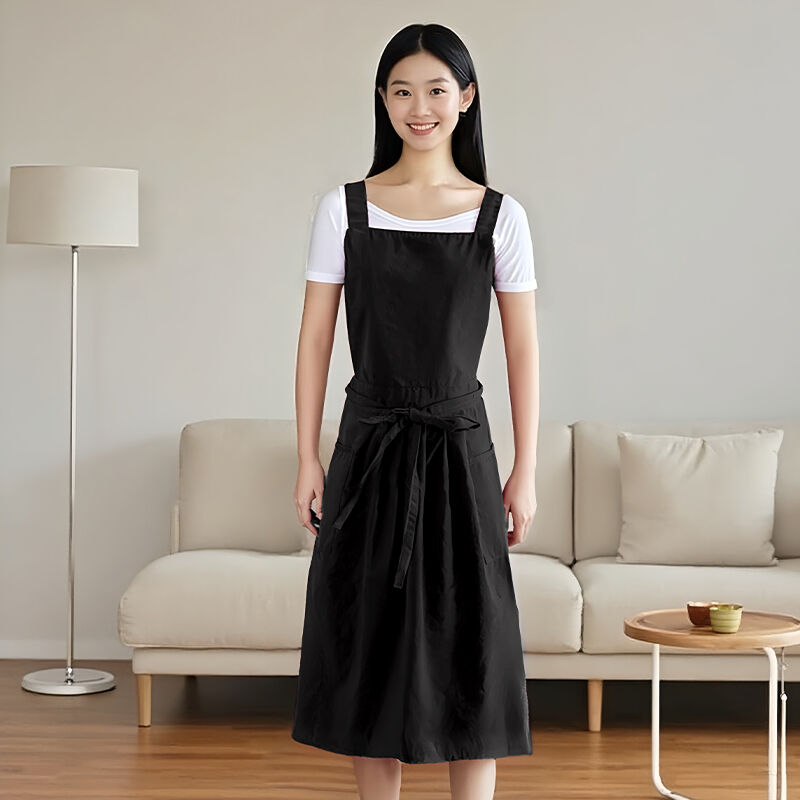
Tabliers bistro en coton léger : performance supérieure dans les cafés et les salons haut de gamme
Un avantage majeur de la blouse-bavette en coton léger est sa polyvalence. Ces bavettes de style bistro s’ajustent parfaitement à la taille et offrent une apparence plus épurée que les modèles qui se portent au-dessus de la taille. Elles sont fabriquées en coton de haute qualité, d’un grammage compris entre 7 et 9 onces. Ce tissu est suffisamment ferme pour conserver sa forme et résister aux froissements tout au long d’un service complet, tout en étant conçu pour permettre une liberté de mouvement optimale au personnel. La bavette à la taille comporte également une poche offrant un rangement pratique pour des articles tels que des stylos ou des cartes de dégustation. Le design épuré et sobre des bavettes à la taille fait qu’elles s’harmonisent avec les tenues du personnel plutôt que d’entrer en conflit avec elles, contrairement souvent aux bavettes à bavette volumineuses et lourdes. Une transition fluide entre les rôles et une interaction efficace avec la clientèle constituent un besoin réel dans les environnements de service contemporains, et le rapport « Tendances de l’hôtellerie 2023 » indique que, pour les deux tiers des responsables, les bavettes à la taille destinées au personnel en première ligne constituent le choix prioritaire.
Tabliers fabriqués en coton style denim et tabliers de cordonnier : praticité alliée à l’inspiration classique et à l’élégance contemporaine
Forme classique, détails modernes : tabliers de cordonnier 100 % coton, du atelier au bar à vins
Tabliers de cordonnier
Les tabliers de cordonnier sont conçus de manière nostalgique, mais intelligente, tout en répondant aux besoins d’un professionnel moderne de l’hôtellerie et de la restauration. Leur origine remonte aux vêtements de travail des réparateurs de chaussures (dans les boutiques de cordonniers), qui comportaient des bretelles croisées dans le dos, de grandes poches et une construction robuste. Les versions modernes sont conçues pour paraître visuellement plus légères, tout en conservant une grande résistance. La plupart des personnes choisissent un coton de poids moyen (environ 280 à 340 g/m²) car il offre le poids idéal pour servir toute la journée, tout en restant suffisamment élégant pour la restauration gastronomique. Parmi les caractéristiques supplémentaires qui distinguent nettement ces tabliers des modèles traditionnels, on trouve : des coupes globalement plus ajustées, une surpiqûre supérieure apportant une touche discrète de design, ainsi que des teintes telles que l’indigo foncé et le gris anthracite, particulièrement efficaces pour masquer les taches de café ou de bois. Pour les bars à vin et les salons de cocktails, où l’apparence joue un rôle essentiel, les fabricants proposent des finitions raffinées utilisant un tissu sergé non brossé et des accessoires en nickel. Ils remplacent également les rivets par des points d’arrêt renforcés (bar tacks), offrant ainsi une apparence épurée tout en maintenant la résistance aux points critiques de contrainte. Contrairement à bon nombre de modèles plus récents, ces tabliers privilégient la conservation de fonctionnalités utiles, en mettant l’accent sur l’aspect pratique de leur conception.
Toile lourde (12 oz) vs sergé moyen : caractéristiques du tissu par rapport aux exigences fonctionnelles
Ce qui rend un tablier en coton si efficace dans un atelier animé comme dans un élégant bar à vin, c’est l’intelligence du tissu. La fraîcheur dépend des fibres utilisées, du grammage du tissu, de la structure de la trame et des finitions appliquées au tissu. Prenons l’exemple du tablier en toile de 340 g/m² (12 onces). Il présente une armure toile très serrée, ce qui évoque sa robustesse, et est conçu pour résister aux taches ainsi qu’à l’usure. Ce sont les tabliers les plus adaptés aux cuisines où les projections sont fréquentes, ainsi que dans les situations où les porteurs entrent en contact avec des matériaux abrasifs. En matière de protection, un tablier privilégie avant tout la sécurité plutôt que l’apparence. À l’inverse, nous disposons de tabliers en sergé mi-lourd de 198 g/m² (7 onces). L’armure en diagonale confère au tablier une grande fluidité et un tombé élégant, ce qui le rend plus polyvalent et utilisable dans un plus grand nombre de contextes. Ils sont généralement employés dans des situations où l’apparence revêt une importance capitale, qu’il s’agisse de servir des cocktails dans un bar haut de gamme, de travailler en salle dans une boutique sélecte ou d’assister pendant le service du dîner, où la première impression liée au rôle est tout aussi importante que l’exécution rigoureuse de ce rôle.
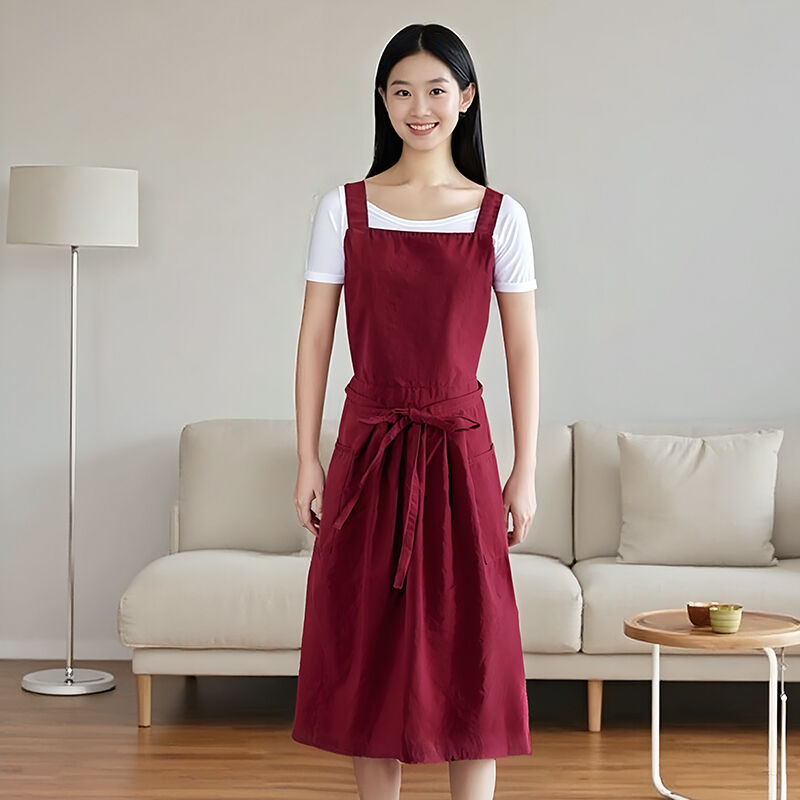
Type de tissu, poids, structure du tissage, réglage optimal
Toile épaisse de 340 g/m² (12 oz), armure toile — Cuisines, ateliers
Toile moyennement épaisse de 200 g/m² (7 oz), armure sergé — Salles à manger formelles, commerce de détail
La toile moyennement épaisse offre un équilibre parfait entre confort et durabilité ; c’est une toile qui s’adapte particulièrement bien à nos besoins, car elle résiste bien à l’usure. Le tissu en sergé, quant à lui, dégage une impression professionnelle, puisque les gens le jugent selon son apparence et sa sensation au contact de la peau. Lors de vos achats, portez une attention particulière au brillant du tissu ainsi qu’au nombre de fils par pouce. Les finitions mates confèrent généralement un aspect plus formel, tandis que les finitions brillantes peuvent paraître trop décontractées. Selon certains concepteurs de tissus, ils veillent à ce que chaque tissu soit à la fois esthétiquement réussi et fonctionnel, en adaptant scrupuleusement tous ses composants à l’usage prévu.
FAQ
Q : Qu’est-ce qui rend les tabliers à bavette polyvalents selon les environnements d’utilisation ?
R : Les tabliers à bavette sont polyvalents car ils offrent une couverture complète, adaptée aux cuisines, tout en restant élégants pour les tâches en salle.
Q : De quels matériaux sont fabriqués les tabliers à bavette ?
R : Les tabliers à bavette sont fabriqués en lin et en coton, ce qui les rend respirants et résistants aux froissements.
Q : Pourquoi les tabliers bistrot sont-ils privilégiés par les gestionnaires de restaurants ?
R : Les tabliers bistrot sont privilégiés car ils sont légers et taillés à la taille, ce qui permet de les intégrer facilement à l’uniforme sans ajouter de volume.
Q : En quoi les tabliers de cordonnier allient-ils à la fois des styles anciens et modernes ?
R : Les tabliers de cordonnier allient styles ancien et moderne en utilisant du coton robuste et des éléments de conception moderne afin d’assurer une meilleure fonctionnalité et une apparence plus contemporaine.
Q : Quelles sont les différences entre les tabliers en toile épaisse et ceux en sergé moyen ?
R : La toile épaisse est plus durable et convient mieux aux cuisines, tandis que le sergé moyen offre un aspect plus sophistiqué et est utilisé dans les restaurants gastronomiques et le commerce de détail.