
 EN
EN
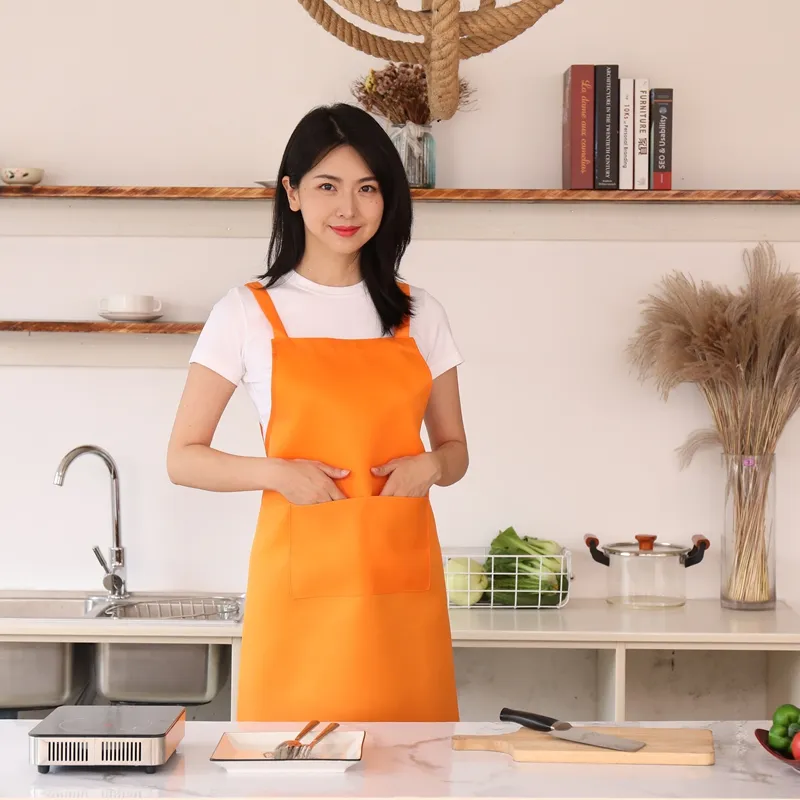
A Birthday Baking Party That Tested Five Aprons
Five kids' baking aprons sized for ages 4 to 9
A parent in Austin hosted monthly baking parties and photographed five children's baking aprons across ten sessions to see which survived the chaos. Each cute baking apron was sized for ages four to nine with adjustable necks and labeled with the child's name in marker. One baking apron used a printed poly-cotton blend at about 180 gsm. Two used cotton twill, and two carried character appliqués that kids picked themselves. The children's baking apron with a tight weave stayed clean longest through frosting fights, while the appliqué baking apron lost a bow by session three. A practical cute baking apron beat the prettiest one once the mess started and the kids began moving around the table with hands full.
The melted bow that showed a safety gap
At party six, a glued bow on one baking apron drooped toward a warm oven light and melted at the edge while the child reached past. The child was unhurt, but the scare revealed a real gap in what looked like a safe purchase. A safe baking apron for kids avoids long dangling trim and low-melt glue near any heat source. After that, the host kept every cute baking apron trimmed short and chose sewn-on decoration over glued pieces for the children's apron so nothing could loosen during an active moment near the oven or a lit candle on the birthday table.
Risks Unique to Children's Baking Sessions
Loose strings near mixers and ovens
A kids' baking apron with long dangling ties risks catching a mixer beater or an oven rack when a child spins to show a parent. Children move fast and forget the fabric behind them mid-song. A safe baking apron uses short adjustable straps that secure at the waist and stay put. The children's apron should fit snug enough to stay clear of beaters without restricting arms. Supervision plus a well-cut cute baking apron removes most snag hazards, and a cross-back style keeps the fabric centered on the child's back while reaching across the bowl for sprinkles and a spatula together.
Fabric that fails flammability rules
Some novelty fabric fails basic flammability limits that adult workwear meets by default. A baking apron that ignites too easily endangers a child near a stove or a candle on the table. In the United States, 16 CFR Part 1610 sets flammability classes for clothing textiles, a useful check for any children's apron before purchase. A dense cotton baking apron resists brief flame better than sheer poly and breathes for small bodies. Pick a cute baking apron that meets these baselines before the invite goes out, and inspect trim for loose threads each time the box arrives.
Picking Cute Without Sacrificing Function
Print methods and fabric weight for kids
A cute baking apron should earn its look through safe printing rather than glued sparkle that flakes into batter. Water-based inks bond softly and survive washing better than glued glitter, which ends up in the bowl and the floor. Aim for 180 to 260 gsm cotton so the children's apron blocks splatter yet stays light for small bodies moving all session. A printed baking apron in tight twill keeps colors bright after many launderings, while a thin one fades and soaks through within a few parties and loses the charm that made it appealing to the child in the first place.
Sizing, adjustability, and coverage
A baking apron for kids needs growth room so the same piece lasts several birthdays. Adjustable neck and waist straps let one children's apron fit ages four to nine as the child grows taller. Coverage should reach mid-thigh so spills miss shorts and socks during a cupcake station. A cute baking apron with a slightly longer hem protects more without tripping on the kitchen rug. Check the size chart against height, not just age, because kids of the same year vary in build, and a wrong size defeats both safety and the fun of wearing it to a party with friends.
Safety Standards and Care for a Kids' Baking Apron
What CPSIA, ASTM F963, and 16 CFR require
CPSIA limits lead and phthalates in children's products, and ASTM F963-17 covers toy safety for items a child may mouth, useful when trim resembles a toy and ends up chewed. 16 CFR Part 1501 restricts small choking parts, so a safe baking apron avoids detachable beads or buttons. OEKO-TEX Standard 100 confirms fabric lacks harmful substances against young skin. A children's apron meeting these marks lets parents relax during a messy baking party and trust the cute baking apron against a child's skin for hours of frosting, flour, and happy distraction from the screen.
Washing, supervision, and a parent checklist
Wash a kids' baking apron at 40°C with mild detergent, close straps, and air dry so glued trim survives the cycle. Inspect glued trim before each use and cut loose threads that could reach a mouth. Supervise near heat at all times; no cute baking apron replaces watching the oven or the candle. Vendors like ApronCustomCJ show CPSIA and ASTM marks in the listing so parents can verify before ordering and ask questions. A children's apron that passes this checklist keeps parties safe through every birthday season without surprising adults with a hazard at the worst moment. A few minutes of checking saves a ruined party and a avoidable trip to the clinic.
Frequently Asked Questions
Question: What size baking apron fits a five-year-old?
Answer: A five-year-old usually needs a children's baking apron with adjustable neck and waist straps rather than a fixed size. Check the maker's height chart, since kids of the same age differ in build. Coverage should reach mid-thigh without dragging. A cute baking apron with growth room fits ages four to nine, saving money and keeping the child safe as they grow through several birthday party baking seasons with friends.
Question: Are character-print kids' baking aprons safe?
Answer: Character prints are safe when the ink is water-based and any trim is sewn on, not glued. Avoid detachable beads or bows that fail 16 CFR small-parts rules. A children's baking apron with appliqué should use reinforced stitching. Pick cotton twill around 200 gsm so the cute baking apron blocks splatter and resists flame better than thin novelty fabric near a warm oven or a lit birthday candle on the table.
Question: Can a kids' baking apron go in the dryer?
Answer: Air drying is safer for a children's baking apron, because high dryer heat shrinks cotton and can loosen glued trim. If using a dryer, choose low heat and remove while slightly damp. Close straps before washing so they do not tangle. A cute baking apron lasts longer and stays safer when line-dried, keeping prints bright and straps intact for the next baking party with the child's friends.
Question: What keeps strings from catching in a mixer?
Answer: Choose a kids' baking apron with short, adjustable waist ties and no dangling front strings. Secure knots firmly and tuck ends away from beaters. A children's apron with a cross-back or neck-loop cut keeps fabric behind the child. Supervise constantly near mixers, and a well-cut cute baking apron removes most snag risks during active baking sessions where kids reach across the bowl without thinking about the fabric behind them.
Question: What fabric is best for a cute baking apron?
Answer: Cotton twill around 200 gsm makes the best cute baking apron for kids: it blocks splatter, breathes, and prints brightly. Poly-cotton blends dry faster but can feel warm. Avoid sheer or glued-glitter fabric that flakes into food. A children's apron in tight twill with water-based ink stays safe and pretty through many washes, beating fragile novelty options every time the kids gather to bake together at home.
Question: How often should a children's baking apron be replaced?
Answer: Replace a children's baking apron when straps fray, trim loosens, or fabric thins enough to soak through. With monthly parties and proper washing, a quality cute baking apron lasts one to two years. Rotate two so wear spreads. Inspect before each use for loose threads or melted edges, and retire the baking apron once it no longer protects the child during messy, enthusiastic baking fun.