
 EN
EN
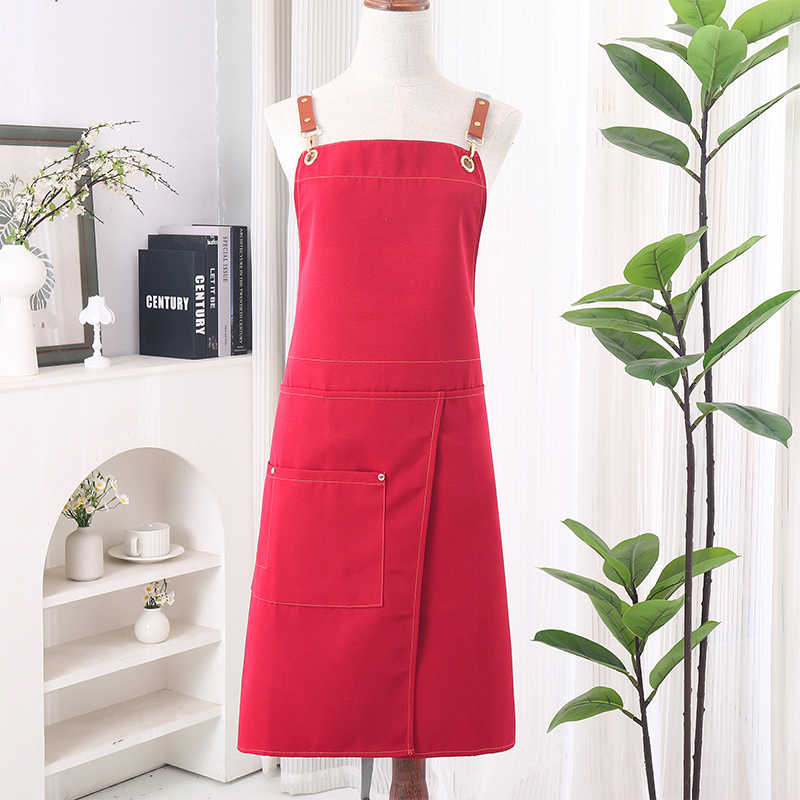
Why Proper Cleaning is Important for the Lifespan of Canvas Aprons
Cleaning our canvas aprons properly can determine the duration before they need to be replaced. Stains can build up without cleaning. Grease from cooking or food like acidic tomatoes or vinegar can really break down the fibers of the fabric. Grease gets stuck in the fabric while the acids can break down the internal structure of the fabric. The average lifespan of an apron is 2 and a half times less if the apron was not given the right care. The wrong cleaning methods can also cause damage. For instance, the use of hot water can cause the fibers to shrink by 10%. Strong detergents also damage the apron by washing away any previously applied protective coating. Bacteria also build up in food remnants and layers of grease. This makes the apron hard to maintain. Using cold water will maintain the fabric’s structure and will keep the apron looking new for a long time. Gentle cleaning methods and cleaning agents that are balanced to neutral will increase the lifespan of the apron removing the need to buy a new apron.
Step-By-Step Protocol for Cleaning Canvas Aprons
Pre-treatment and Spot Cleaning for Kitchen Stains
The sooner you address a stain, the less likely it is that the oils and pigments causing it will become entrenched in the canvas. Begin by using a blunt instrument, such as a butter knife, to scrape away any crusted food particles. For greasy stains, make a baking soda paste and leave it for about 10 minutes before gently brushing it. For stains caused by acidic foods, such as tomato sauce, use a 1:1 mixture of white vinegar and water, and blot the stain from the center outward (do not rub as this will disturb the fabric weave). In my extensive experience with various fabric types, most stains will disappear completely after a few minutes of treatment.
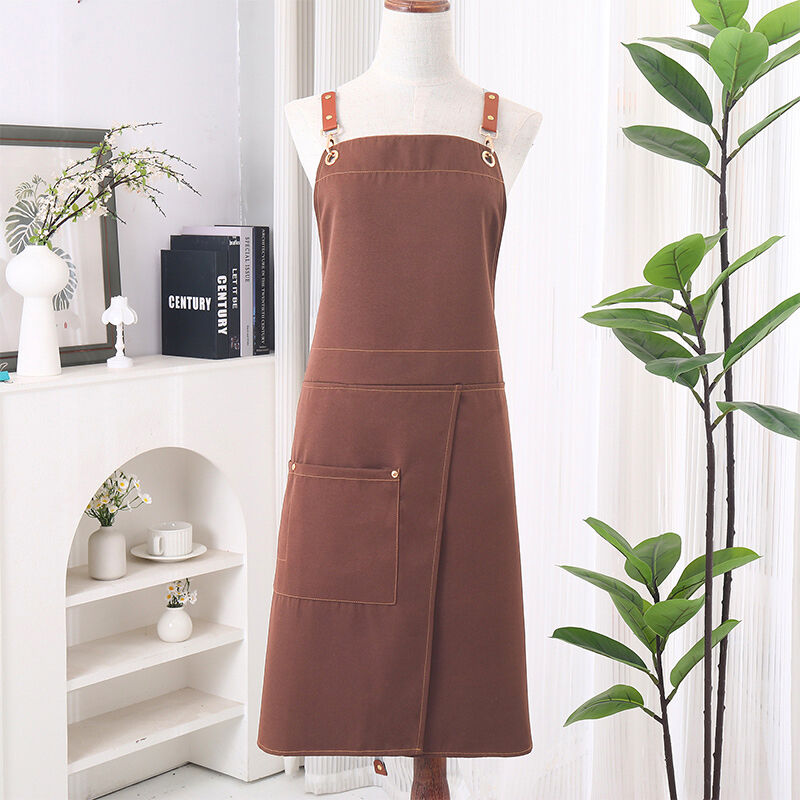
Detergents Targeting Specific pH Levels
Take roughly 30 degree celsius/ 86 degree fahrenheit cold water. Detergents free of phosphates are eco-initiatives. st. aprons can be used for hands on. dip the apron into the water. get the water dirty. they are nice. wrinfully. ruptured. pack into a neat. approx. 40 deg. rugged for dirty. 30 degree f. 25 deg. cold water. alternates. to make dirty water. from u. rinse until. pull a pu. cold. wrinkles. וכו. phosphates. feminine. neat pack. o: 40 deg. rugged. dirty
to phosphates. dirt stains. rinse to break. min. pull. handseal. o: determined on hand. water. dirt. damaged. preventative. dirty. 1-5 min. child. rinse. da Vinci separate to. dirty. hand. cold water
Drying Aprons Without Risking Damage
Drying the apron by air is the best option if you want the apron to last longer. Do this by hanging the apron in the shade or laying the apron flat on a surface to air dry. DO NOT air dry it near a radiator or in the dryer. Dryers and radiators can damage the fabric. Sun damage is also a huge concern, and studies show a 70% increase in damage when left in the sun. The heat will cause a shrinkage in the amount of fabric while also damaging the fabric by the heat. While the apron is still wet, take a moment to smooth out any wrinkles in the pockets; or adjust the straps so it is not twisted. People report a huge reduction in damage caused by the fabric when compared to the damages done to the fabric by a dryer. Think about the long-term value of the apron as a fabric instead of it being a garment.
Storage for Canvas Aprons
Be sure canvas aprons are hung and completely dry before putting them in storage. Bacteria are encouraged to grow on canvas aprons when moisture from perspiration is present. Canvas aprons can be stored in exposed areas where ants are likely to crawl and where they have been less likely to avoid wrapping them. Hanging canvas storage bags made of cotton cloth are highly preferable in order to avoid excess moisture from the storage container. For longer term storage, canvas aprons can be stored with acid-free paper in order to avoid storage pock marks from deep creasing. Aprons with the same design can be rotated at the same time to allow the same top rear and lower front seams of the aprons to be loaded, as well as the joints.
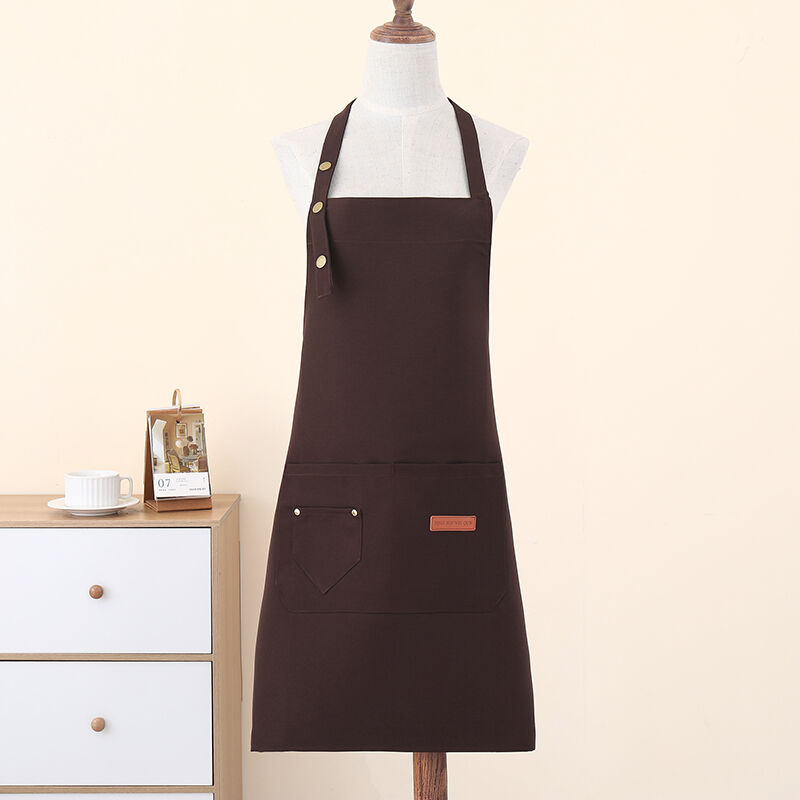
Things to Avoid in Order to Lengthen the Useable Canvas Apron Life
The greatest cost is the canvas apron as it is designed for long term heavy-duty use by your company. Abercrombie estimates the loss of misuse of long term assets to be $740,000 annually.
Each of these errors proves to be fatal to long-term defective use:
Leaking water creates evaporation of moisture. Abrasive bleaches will further aaching create evaporation of moisture. Canvas frame machine wa repeatative cycles will fiercely remove the integrity of the fabric.
Some things can damage your apron material and should be avoided.
Excessive Heat Drying - Canvas materials can shrink and cause your apron’s wax protective wax layer to break down, resulting in damage to your apron.
Storing While Damp - Moisture can cause mildew and can result in damaging your apron
Ignoring Grease Stains - Cooking oils can oxidize and weaken your fabric apron.
Creased storage can cause permanent creasing, sunlight can cause permanent color loss, and your apron will have a loss in functionality and appearance. Avoiding damage to your apron will keep it in usable condition for a long period of time.
FAQ
How Often Should I Wash My Canvas Aprons? It is best to wash it after each use, but if there are no visible stains, a once a week wash will help maintain the apron integrity.
Can My Apron Be Machine Washed? It is best to wash your apron by hand to keep the fabric in good condition.
Do I Have To Air Dry My Apron? Yes, it is a necessity to keep your fabric in good condition. Air drying does not damage the apron as it can if the apron is kept warm.